
The versatile broad bean

.
■ There is something rather satisfying about opening a freshly picked broad bean pod. That soft, velvety lining, the neat row of plump green beans nestled inside, and the promise of something delicious to come. Broad beans might not be the most fashionable vegetable in the garden or on supermarket shelves, but they certainly deserve a little more attention, writes nutritional therapist and mindset coach Paula Sharp in her fortnightly column.

As spring settles into the Eastern Bay, broad beans are making their appearance.
While they may require a little more preparation than grabbing a handful of peas, their flavour and nutritional benefits make them well worth the effort.
Broad beans, also known as fava beans, have been enjoyed for thousands of years.
They were a staple food in ancient Mediterranean and Middle Eastern cultures, long before potatoes and many other familiar vegetables became commonplace.
Today, they remain popular in Italian, Greek and Middle Eastern cooking, appearing in everything from rustic soups and salads to creamy dips and hearty stews.
In New Zealand, broad beans are an easy grow for gardeners as they tolerate cooler temperatures and even help enrich garden soil through their relationship with nitrogen-fixing bacteria.
Don’t let their modest appearance fool you.
Broad beans are nutritional little powerhouses.
n Plant-based protein: Broad beans provide a useful amount of protein, helping support muscle maintenance, tissue repair and everyday wellbeing. Pair them with whole grains, nuts or seeds for a complete protein meal.
n Fibre for digestive health: Their fibre supports regular bowel movements and helps nourish beneficial gut bacteria. Fibre also slows digestion, helping us feel comfortably satisfied after eating.
n Folate for healthy cells: Broad beans are a good source of folate, a B vitamin essential for making healthy red blood cells and supporting normal cell growth. (Folate is particularly important before and during early pregnancy.)
n Iron and magnesium: These minerals contribute to normal energy metabolism, muscle function and overall health. Pairing broad beans with vitamin C-rich foods, such as lemon juice or capsicum, can help the body absorb their plant-based iron.
n Broad beans contain potassium, which contributes to normal muscle and nerve function and helps maintain healthy blood pressure.
Fresh broad beans are wonderfully versatile, although larger beans can sometimes develop a slightly bitter flavour and tougher outer skin. It’s the bitter flavour that gives this vegetable a bad rep.
For the sweetest flavour, choose young, tender pods. Remove the beans from their pods, blanch them briefly in boiling water and plunge them into cold water.
Larger beans can then be gently squeezed from their pale outer skins, revealing beautiful bright-green centres.
Young, tender beans may not need this second peeling.
Try tossing cooked broad beans through salads, adding them to soups, stirring them into risotto or crushing them with olive oil, lemon and herbs for a delicious topping on toasted sourdough.
Their slightly nutty, earthy flavour pairs nicely with mint, parsley, garlic, lemon, feta and extra virgin olive oil.
If you’re growing broad beans, pick them regularly while the pods are still tender.
They’re at their best when freshly harvested, although shelled beans freeze well after a quick blanch.
Broad beans are a practical, nutritious addition to spring meals, they are a plant-based protein, fibre and have valuable vitamins and minerals.
Whether tossed through a salad, blended into soup or simply dressed with olive oil, lemon and fresh herbs, they’re an easy way to bring more variety to the table.
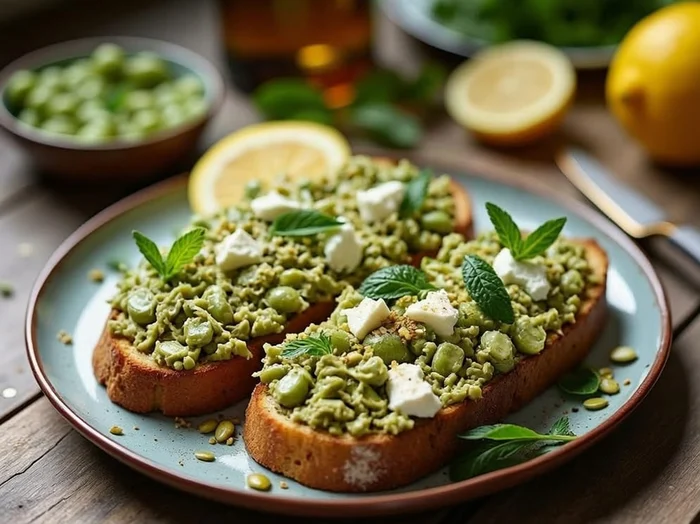
Smashed Broad Beans with Lemon, Mint & Feta
Ingredients
1½ cups shelled broad beans, fresh or frozen
2 Tbsp extra virgin olive oil
1 small garlic clove, finely grated
Zest and juice of ½ lemon
2 Tbsp fresh mint, finely chopped
2 Tbsp fresh parsley, chopped
50g feta cheese, crumbled
Freshly ground black pepper
2–3 slices wholegrain sourdough, toasted
Optional: chilli flakes or toasted pumpkin seeds
Method: Bring a saucepan of water to the boil. Add the broad beans and cook for 2–3 minutes until tender. Drain and cool briefly. Remove the outer skins from larger beans if desired. Place the beans in a bowl with the olive oil, garlic, lemon zest and juice. Roughly mash with a fork, leaving plenty of texture. Stir through the mint, parsley and black pepper. Spoon generously over toasted sourdough. Finish with crumbled feta and a scattering of chilli flakes or pumpkin seeds. Serves: 2–3
■ Paula’s Nutrition Tip: The combination of broad beans, wholegrain sourdough and feta equates to a complete plant-based protein, fibre and satisfying fats. The lemon adds freshness and vitamin C helps to improve absorption of the beans’ iron.
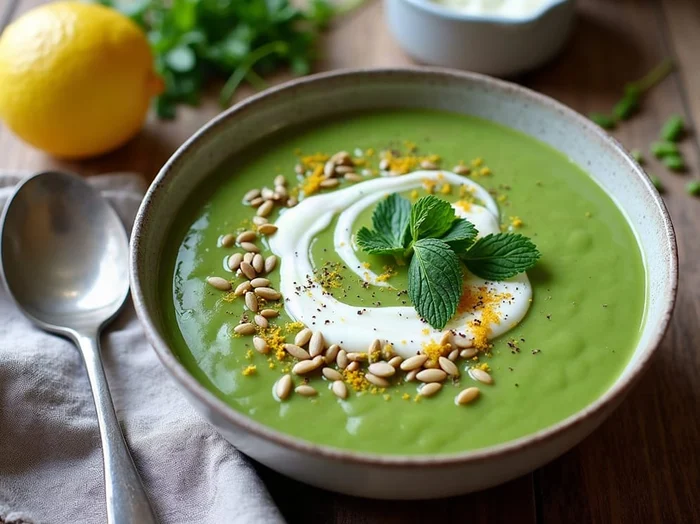
Spring Broad Bean, Courgette & Lemon Soup
Ingredients
2 cups shelled broad beans, fresh or frozen
2 medium courgettes, diced
1 medium potato, peeled and diced
1 small onion, finely chopped
2 garlic cloves, crushed
1 Tbsp coconut olive oil
750ml vegetable stock, preferably reduced salt
1 cup baby spinach
Zest and juice of 1 lemon, to taste
2 Tbsp fresh parsley
1 Tbsp fresh mint
Freshly ground black pepper
¼ cup natural Greek yoghurt, optional, to serve
Toasted pumpkin seeds, to garnish
Method: Heat the oil in a large saucepan over medium heat. Add the onion and cook gently for 4–5 minutes until softened. Stir in the garlic, courgettes and potato. Cook for another 2 minutes. Pour in the vegetable stock and bring to a gentle simmer. Cook for approximately 12–15 minutes, until the potato is tender. Add the broad beans and simmer for a further 4–5 minutes, or until cooked through. Stir through the spinach, parsley and mint. Remove from the heat and blend until smooth, or leave slightly chunky if preferred. Add the lemon zest, a little lemon juice and black pepper to taste.
Serve with a spoonful of Greek yoghurt and a scattering of toasted pumpkin seeds. Serves: 4
■ Paula’s Nutrition Tip: This soup delivers fibre, folate, potassium and a variety of plant compounds. Adding pumpkin seeds adds healthy fats, magnesium and extra protein. Serve with wholegrain toast or a boiled egg for a more substantial meal.
This soup keeps well in the refrigerator for up to three days and can be frozen in individual portions. Add the yoghurt just before serving.
■ If you’d like more seasonal nutrition tips, recipes and practical health guidance, join my free newsletter at paulasharpnutrition.com. It’s where I share evidence-based advice to help women feel informed, nourished and confident in their food choices.