
Asparagus - a springtime romance

.
■ Few vegetables signal the arrival of spring quite like asparagus. Those tender green spears suddenly appear in gardens, roadside stalls and farmers’ markets and for a few short months they’re at their absolute best, writes nutritional therapist Paula Sharp in her fortnightly column.
In the Bay of Plenty, spring is a wonderful reminder that eating seasonally doesn’t have to be complicated.
Asparagus is harvested in New Zealand from around September through to December.
It grows particularly well in areas with free-draining soils and plenty of sunshine, including Waikato, Canterbury and Hawke’s Bay.
Asparagus has been eaten for thousands of years. Originally native to the Mediterranean, it was enjoyed by the ancient Egyptians, Greeks and Romans, who valued it for its flavour and traditional medicinal uses.
The Romans were particularly fond of it and developed ways of preserving and transporting asparagus, so they could eat it beyond its short growing season.
Today, asparagus is grown around the world.
Asparagus is naturally low in calories and provides a mix of vitamins, minerals, antioxidants and fibre. It contains folate, vitamin K and vitamin C, along with smaller amounts of vitamins A and E.
Folate is important for cell division and normal blood formation, while vitamin K plays an important role in normal blood clotting and bone health. Then there’s the fibre.
Asparagus contains prebiotic fibres, including inulin, which support beneficial bacteria living in our gut.
This unassuming little spear is doing rather more nutritionally than its delicate appearance might suggest.
Asparagus is one for the patient gardener, but it’s a worthwhile investment.
Once established, a well-cared-for asparagus bed can produce for 15-20 years.
Plant one-year-old crowns in a sunny, sheltered spot with free-draining soil, enrich the bed with compost or organic matter. Allow around 40cm between plants and 1m between rows.
The key is don’t harvest too soon. Give plants the first two years to establish strong roots; from year three, you can harvest spears for several weeks each spring.
After harvesting, let the ferny foliage grow, so it can feed the roots for next season. Once it dies back, cut it down and top-dress with compost.
A good mulch will help keep weeds down and moisture in.
Planting asparagus is planting for the future.
Most of us know green asparagus, but purple varieties are grown here in New Zealand, too.
Purple asparagus is slightly sweeter and gets its colour from anthocyanins, the same family of plant pigments found in foods such as berries and red cabbage.
Asparagus has had an interesting reputation over the centuries with associations to fertility and sexuality. In 19th-century France, young men were reportedly served asparagus before their wedding night.
So, perhaps asparagus really has been associated with springtime romance for a very long time.
Fresh asparagus is best eaten soon after buying or harvesting. If you’re not using it immediately, trim a little from the woody ends and stand the spears upright in a glass or jar containing a couple of centimetres of water.
Cover loosely and keep it in the fridge.
The beauty of asparagus is that it needs very little doing to it.
Steam it gently, roast it with olive oil, throw it onto the barbecue, stir-fry it or shave raw spears into a salad.
The trick is not to overcook it. You want asparagus to remain bright, tender and slightly crisp rather than soft and floppy.
It is so satisfying eating food when it’s absolutely abundant … like the first bunches of asparagus.
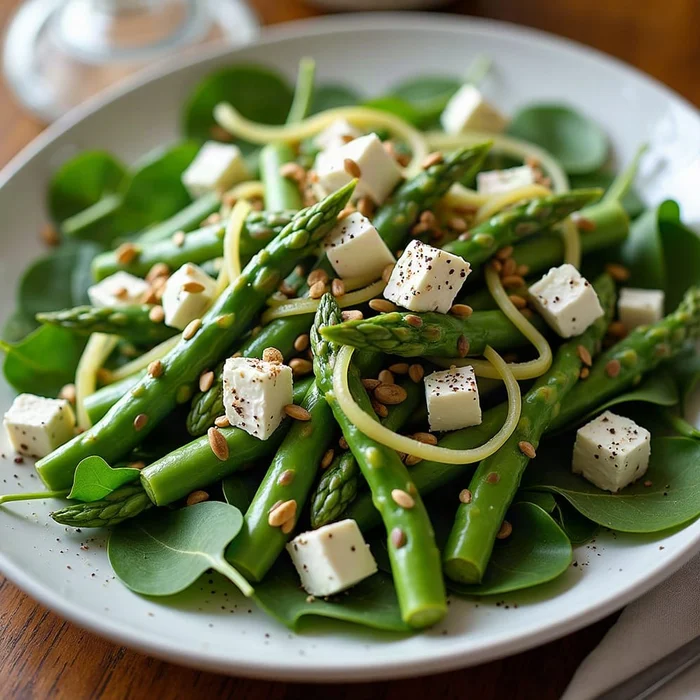
Spring pea, asparagus & feta salad ingredients
Ingredients:
2 cups fresh or frozen peas
1 bunch asparagus, trimmed
2 large handfuls rocket or baby spinach
½ cup crumbled feta
¼ cup toasted pumpkin seeds
2 spring onions, finely sliced
Zest and juice of 1 lemon
2 tbsp extra virgin olive oil
Black pepper
Method: Steam the asparagus for 2–3 minutes until just tender. Add the peas for the final minute. Arrange the rocket or spinach on a platter and top with the warm asparagus and peas. Scatter over the feta, pumpkin seeds and spring onions.
Whisk together the lemon juice, zest and olive oil and drizzle over the salad. Finish with plenty of black pepper. Serves 4.
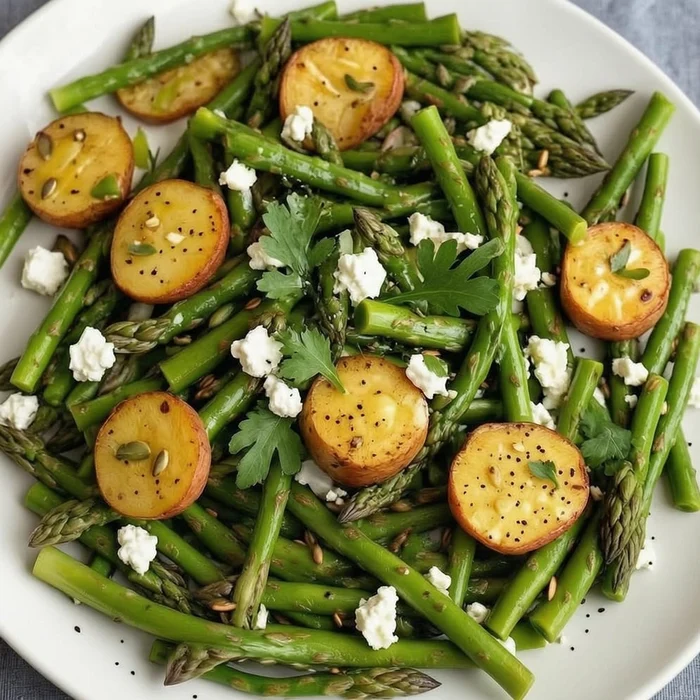
Roasted asparagus, new potato and lemon salad
Ingredients:
500g new potatoes, halved if large
1 bunch asparagus, woody ends removed
2 spring onions, finely sliced
2 handfuls rocket or baby spinach
½ cup toasted pumpkin seeds
80g feta, crumbled
2 tbsp extra virgin olive oil
Zest and juice of 1 lemon
1 tsp Dijon mustard
1 tsp honey
Freshly ground black pepper
Fresh parsley, chopped
Method: Preheat the oven to 200°C. Place the new potatoes on a baking tray, toss with 1 tablespoon of coconut oil and roast for 25–30 minutes, turning once, until golden and tender. Add the asparagus to the tray for the final 8–10 minutes. You want it tender, but still with a little bite.
Whisk together the remaining olive oil, lemon zest and juice, Dijon mustard and honey. Place the rocket or spinach on a serving platter and top with the warm potatoes and asparagus. Scatter with spring onions, pumpkin seeds, feta and parsley. Drizzle with the lemon dressing and finish with plenty of black pepper. Serves 4
■ If you’d like more seasonal nutrition tips, recipes and practical health guidance, join my free newsletter at paulasharpnutrition.com. It’s where I share evidence-based advice to help women feel informed, nourished and confident in their food choices.