Reform decision ‘deeply frustrating’ – Tanczos

Diane McCarthy
Whakatāne Mayor Nandor Tanczos has hit back at the Government’s decision to delay decision making on local government reforms, saying the process is “a shambles”.
In May, district and city councils were given three months to put together proposals to restructure into larger unitary councils, with Cabinet due to decide in September whether to accept the proposals.
To allow Eastern Bay communities to have some say in the future, Whakatāne, Ōpōtiki and Kawerau district councils put significant time and effort into submitting a proposal by the due date.
Yesterday, RMA Reform Minister Chris Bishop and Local Government Minister Simon Watts confirmed it would defer these decisions until after November’s General Election.
Tanczos said to meet the expectations placed on them, the councils had moved quickly, engaged with communities, and worked through complex issues in good faith.
“To now be told decisions on individual Head Start proposals will not be made until after the election is deeply frustrating,” he said.
“Local government is already dealing with a tsunami of reform. Central Government is loading more and more responsibilities on councils while the fundamental issue of how we fund the infrastructure that our communities rely on is ignored,” he said.
“The Government has just wasted everyone’s time and a huge amount of resources to try and put forward compliant proposals on time, and it’s all just been chucked in the bin, essentially.”
The reform process has left councils in a state of constant uncertainty.
Reforms include scrapping of the previous Government’s Three Waters and Resource Management reforms, introducing the Head Start proposals and rates capping.
“We’ve been in uncertainty since this Government came to power,” Tanczos said. “It chews up enormous amounts of resources in terms of staff time. We have to, inevitably, bring in consultants because we don’t have the capacity to do this work with our normal staffing levels.
“One part of the suite of reform doesn’t talk to the other part, some of it’s contradictory, it’s just a shambles.
“The minister likes to talk about council’s vanity projects. It feels like this was the minister’s vanity project, and they blew it.”
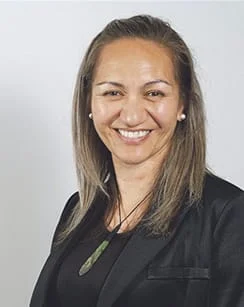
Kawerau Mayor Faylene Tunui said communities were clear they wanted a say in whatever came next for local government reform.
“Kawerau told us that they wanted to retain their council, but if the status quo was off the table, then they wanted to participate in the Simplifying Local Government Head Start process with our Eastern Bay of Plenty neighbours.
“With the strength of Kawerau’s views behind us, we put our best foot forward in the process.
“Our focus remains on the best interests of Kawerau, both now and as future reform decisions are made.”
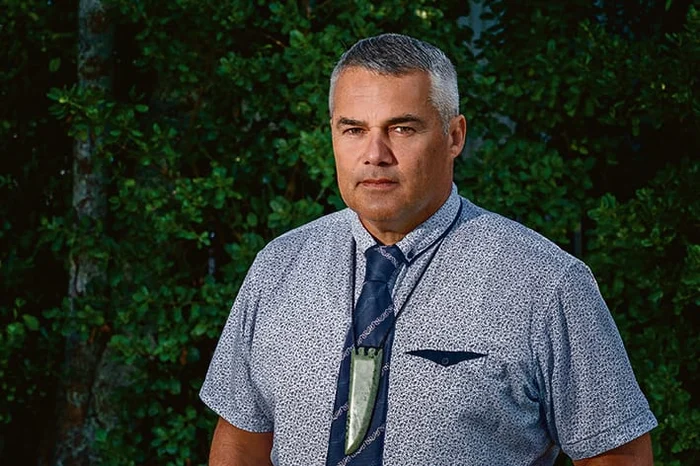
Ōpōtiki Mayor David Moore said the Eastern Bay proposal was about protecting local voice through a period of significant reform.
“The Government made it clear that local government reform is progressing, and our responsibility was to ensure the people of Ōpōtiki had the strongest possible voice in shaping what comes next.
“An Eastern Bay model gives us the best opportunity to protect the voice of Ōpōtiki and ensure our rural, coastal and urban communities continue to have strong local representation.
“This decision leaves uncertainty, but it does not change the need for Ōpōtiki communities to be heard and represented in any future reform process.”
A letter from the minister to councils acknowledged the time, effort and resources councils have put into developing Head Start proposals.
It said the proposals were generally strong, but there were still some major issues the Government wanted to work through before any future reorganisation decisions were made.
These included how communities would be represented, how decision-making would work, and how regional council functions would be delivered.
Government officials are expected to continue working with councils, sector groups, iwi and hapū, and stakeholders on those issues.
The letter also confirmed regional councillors will not be elected at the 2028 local elections, and a Government-led backstop process for regional reorganisation would still begin after those elections.
The three councils say the Eastern Bay proposal, and the work already completed, still provides a strong starting point for any future reform process.
They agreed local voice, local representation and local decision-making must remain central to any future decisions affecting Eastern Bay communities.