$12.5m launches new marina development
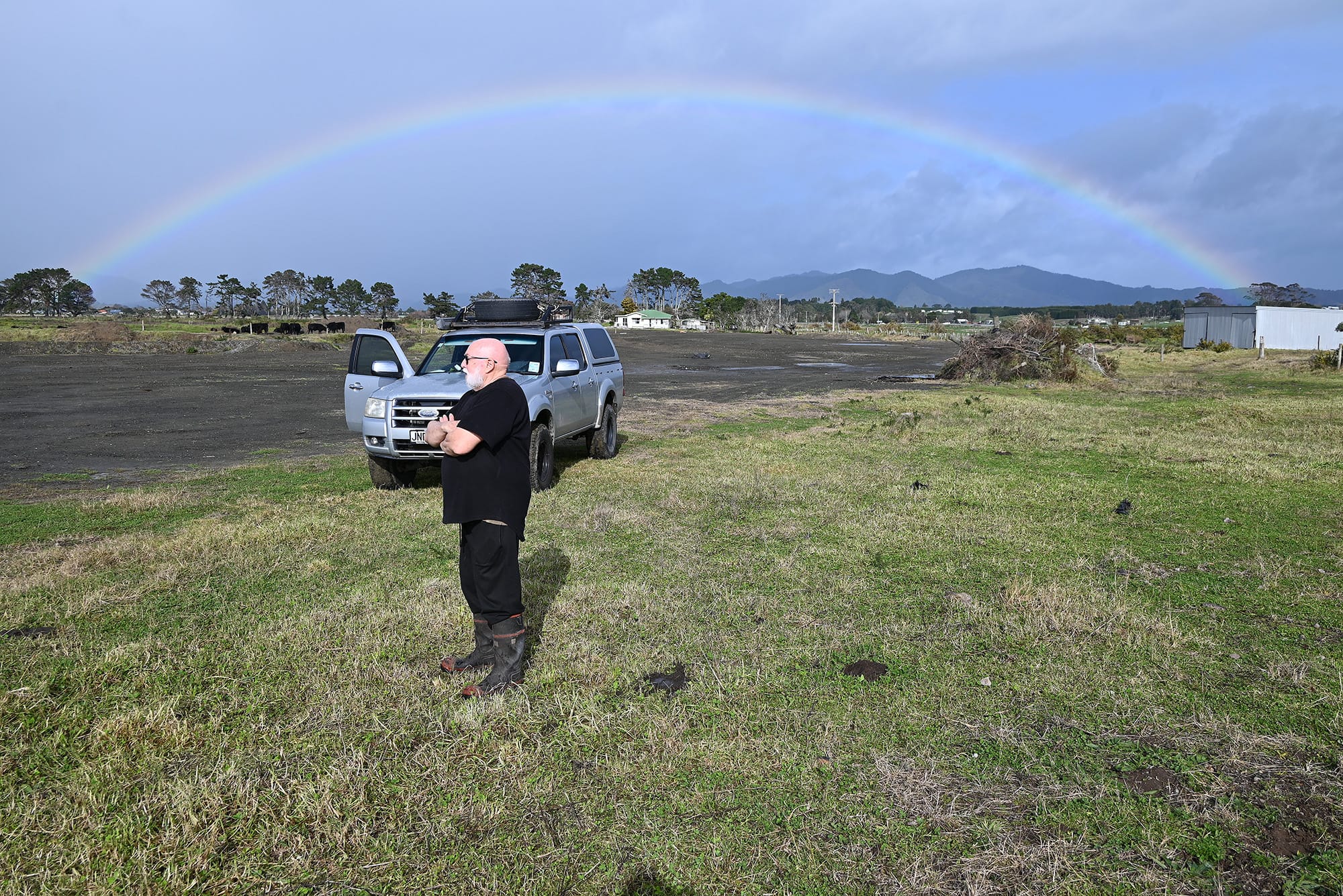
MARINA GREEN LIGHT: Retired Ōpōtiki solicitor Ian Peterson stands at the site where a tidal basin is to be scooped out for a new marina on the bull farm owned by his brother, Chris Peterson. Photo Paul Charman
Paul Charman
Following the announcement of $12.5 million from the Regional Investment Fund on Monday, even the sceptics and the impatient will have to admit the Ōpōtiki Marina project is now finally going ahead.
First envisaged in about 2013, the marina involves excavation of a tidal basin with room for about 130 berths, but it has been held up by a lengthy consenting and objection process.
Plans comprise a 100-tonne travel lift and hard stand, plus a wharf to provide a permanent mooring for mussel boats servicing Te Whakatōhea’s Open Ocean marine farm.
One day, as well as various marine industries, the surrounding businesses will include charter fishing and sight-seeing vessels.
“There’s a lot to it, so we don’t begrudge the delays,” said the project spokesman, Ian Peterson, who is the brother of landowner Chris Peterson.
“It’s certainly been a long time coming with the initial idea floated by Chris as an adjunct to the Ōpōtiki Harbour Development more than 12 years ago.
“However, we’re not impatient. As we see it, such a lengthy resource application period, the consultation and objections have been useful to explain the project and satisfy the concerns of all the parties.”
The project has the blessing of iwi, with tangata whenua liaison and nagā hapū o Te Whakatōhea engagement groups established to provide ongoing feedback on the development.
In announcing Government funding for the marina, the Minister of Regional Development Shane Jones said he had sympathy for the private investors behind it.
“They have been stuck in a statutory thicket in seeking their resource consent. It’s shocking that it’s been so much time and money trying to get that resource consent.
Ian Peterson said the initial funding would only cover the beginning of the project, whose early stages were expected to require in the region of $30 million.
“We’re in discussions with additional investors who see the strategic value of a marina here, but have naturally been keen to see work under way.
“We take the long view. Rather than seeking money or prestige, the vision which has sustained us has been one of creating jobs for locals and something for our town.
“We want to see our town thrive and to that end we want to see as much of the construction work as possible done by locals.
“Eventually we see a huge payback for the community as various businesses move into the marina, but it’s unlikely there will be any profits till 15 years or so into the life of the project,” he said.
Jones said up to 87 jobs would be supported during construction.
“This is the final major infrastructure component needed to support the scale-up of aquaculture in Ōpōtiki,” he said.
“The marina will provide year-round safe berthing for aquaculture and commercial vessels, improve the efficiency of mussel harvesting and servicing operations, and support further investment in marine industries.”
The Government’s $12.5 million contribution built on investments already made by central government, iwi, and local government to establish aquaculture farms, a mussel spat facility in Te Kaha, a mussel-processing facility and a new harbour entrance in Ōpōtiki.
“There may not be a lot to see at first,” Peterson said.
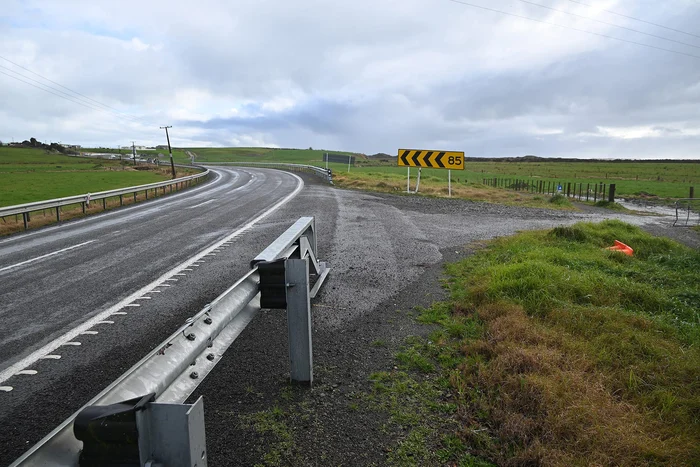
“With the accessway off State Highway 2 in place, trucks will begin delivering volcanic rock from Manawahe, material essential for the kind of revetment work required to shore up a tidal basin covering 6 hectares.
“The digging out of the basin will be tackled in stages over at least the coming 12 months and beyond, with spoil removed being utilised on the marina site itself for consolidation.
“The land had already received more than 60,000 tonnes from the harbour restoration, which had been spread out over the marina site, raising it by about a metre. The basin will have a depth of mostly four metres, creating an area in which to protect commercial and recreational boats. Larger craft, drawing more water, would be given deeper mooring spaces at one end of the basin.
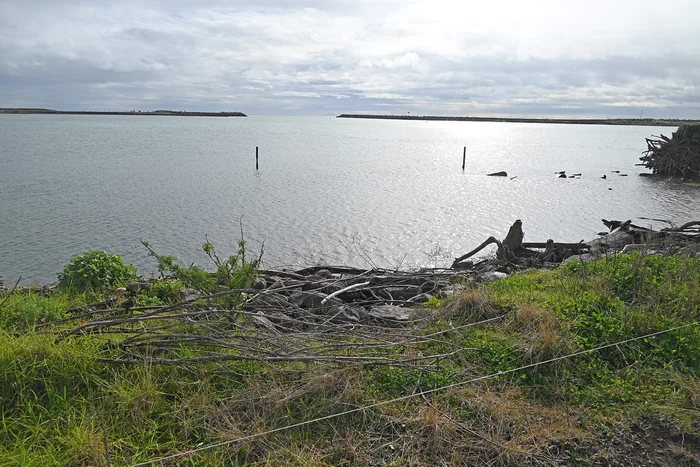
“The land, now used as a bull farm, overlooks the Pakihikura River estuary. It is located at the centre of the two breakwaters constructed to provide a safer all-weather harbour entrance with year-round access for boats, primarily to boost the region’s growing mussel aquaculture industry.”
With a safer bar crossing now in place the marina development would add much needed mooring areas for pleasure craft, opportunities for fishing and dive charters plus various other entrepreneurial endeavours that make use of a port facility.
“The hard stand, the travel lift capable of lifting 100 tonnes and a whole industry based around boat maintenance and boat building. There is a lack of facilities throughout New Zealand, so there are opportunities for some good industry to develop in Ōpōtiki,” Chris Peterson said.
The New Zealand Marina Operations Association estimates the country’s marina and boatyard industry generates about half a billion dollars ($500 million) in total economic contribution annually.