
Pioneering Rangitaiki families invited to share their stories
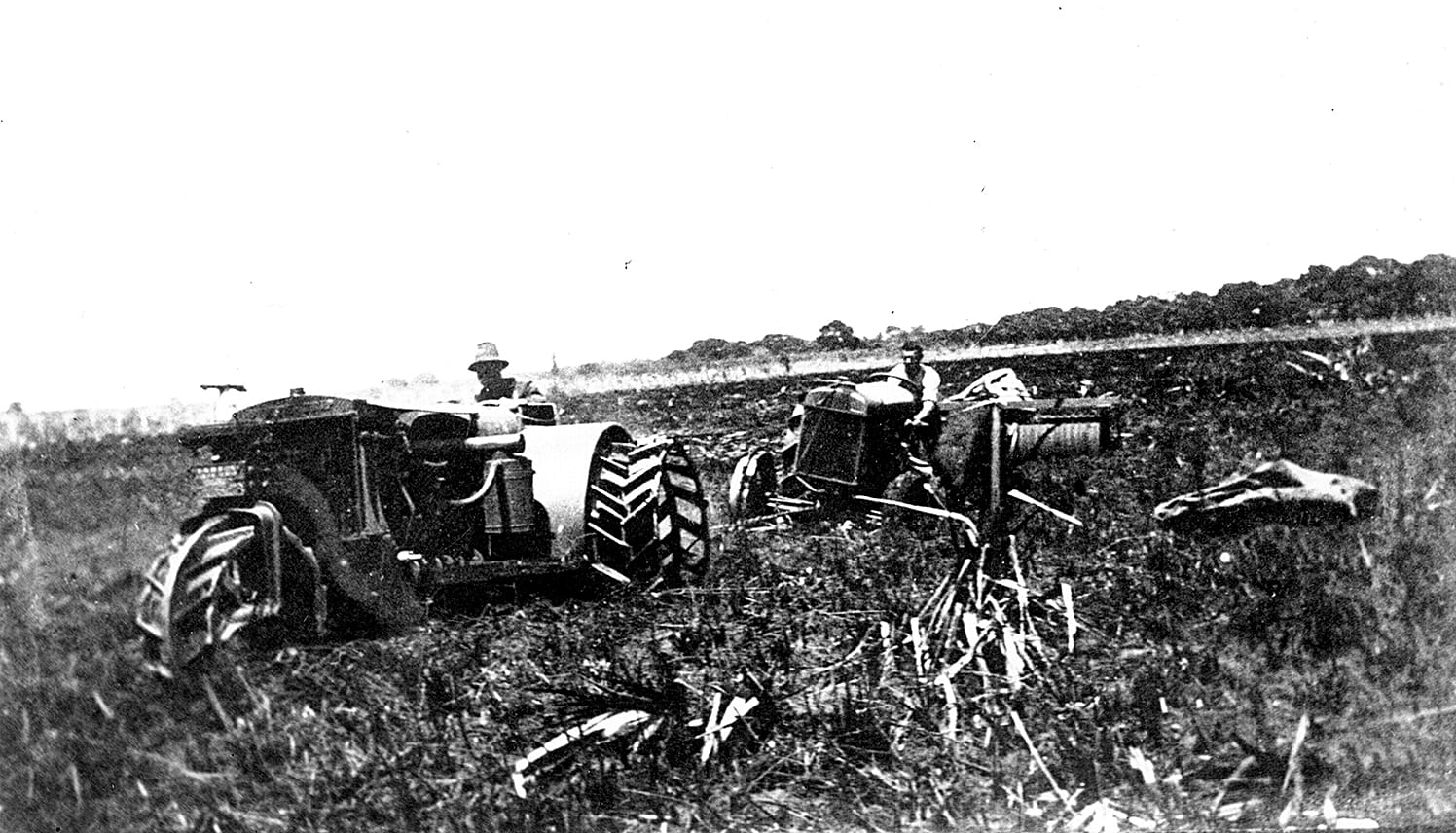
Working the land: Tractors develop the land in the 1930s. Photo supplied
Aston Palmer
A group of farming families from across the Rangitaiki Plains are putting together a book detailing the history of families who have lived and worked on the land for the past 100 years.
Around 20 families have been invited to take part in the project, with each family given up to 10 A4 pages to tell their story through words and photographs.
The book will bring together the histories of families who have maintained a continuous connection to the same land for around a century, documenting how the Rangitaiki Plains developed from swamp into productive farmland.
The submission deadline is December, after which the stories will be edited before the book goes into production.
Copies will be provided to participating families, the Whakatāne and District Historical Society, libraries and the National Library archive in Wellington to ensure the stories are preserved for future generations.
“The idea was initiated by Bill Clark. Though he has handed the work over to me,” book co-ordinator Viv Barr said.
Barr said the project had been in the works for about two-and-a-half years, with the families receiving regular updates to encourage them to complete their stories before the deadline.
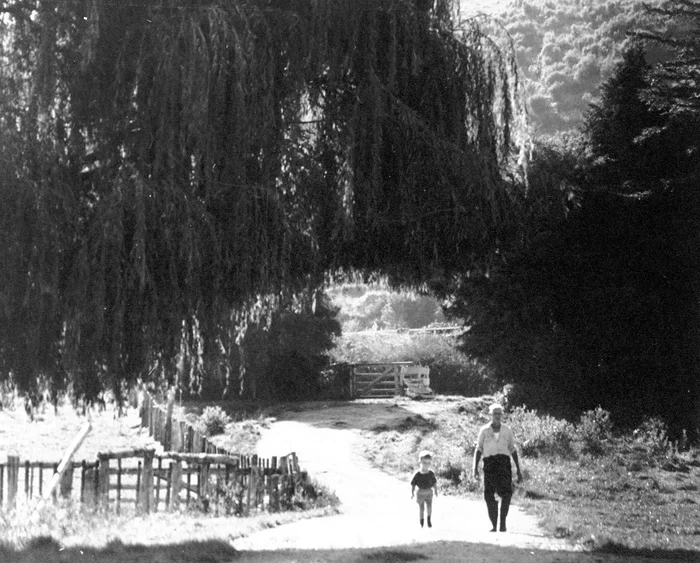
She said the aim of the project was to preserve the history of the pioneering families, so future generations could understand how the Rangitaiki Plains were developed and the work that went into transforming the land.
“I think it’s really going to let the current people and the future generations know what sort of land people came to and how much work, physical work, it took to tame this swamp across the Rangitaiki Plains into productive farmland,” she said.
“It’s so important to actually record it while people are aware of their great and great grandparents because once it becomes many, many great-grandparents ago, some of it’s forgotten.”
Barr’s family has been farming on the Rangitaiki Plains since 1908.
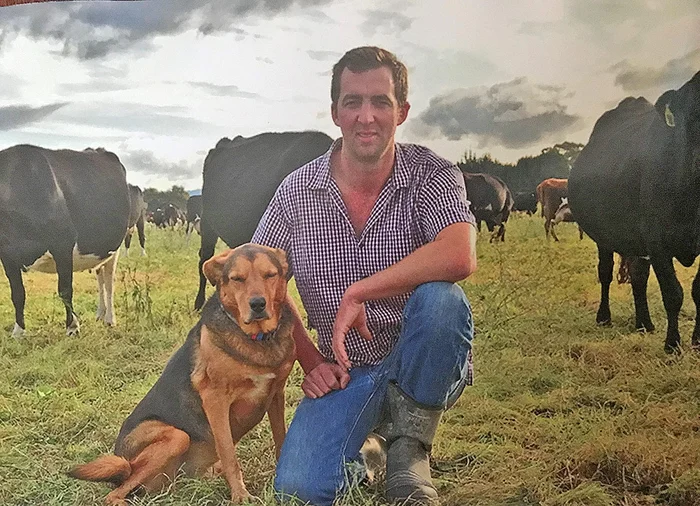
Her son, Matt Barr, is the fourth generation to work the family farm, while his children are the fifth generation growing up on the property.
“I have a son on the farm that’s pretty interested in the longevity of the family farm.”
The project covers families from across the Rangitaiki Plains, including Awakeri, Edgecumbe, Te Teko, Otakiri, Onepu, Awakaponga, Matatā and Thornton.
While around 20 families are involved, Barr said the project had relied heavily on families recommending others who might also qualify.
She hopes all eligible families have been contacted but is encouraging anyone whose family has remained on the same land for around 100 years to come forward before the December deadline, so they do not miss the opportunity to be included.
“I suppose I don’t want the book to be produced and then somebody say, ‘Wait a minute, how come I didn’t know anything about this?’”
Barr said the book was not intended to make money but to recognise the pioneering farming families whose hard work helped shape the Rangitaiki Plains and to ensure their stories are remembered for generations to come.
If your family has lived on the same Rangitaiki Plains land for around 100 years and has not yet been contacted, you are encouraged to email [email protected].