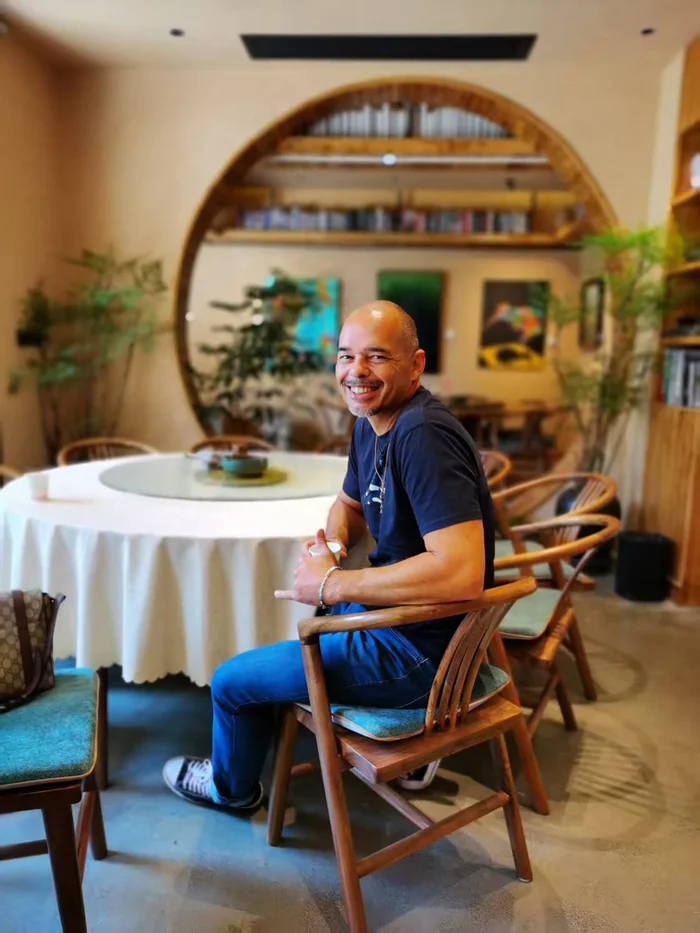
China residencies open new opportunities for artist
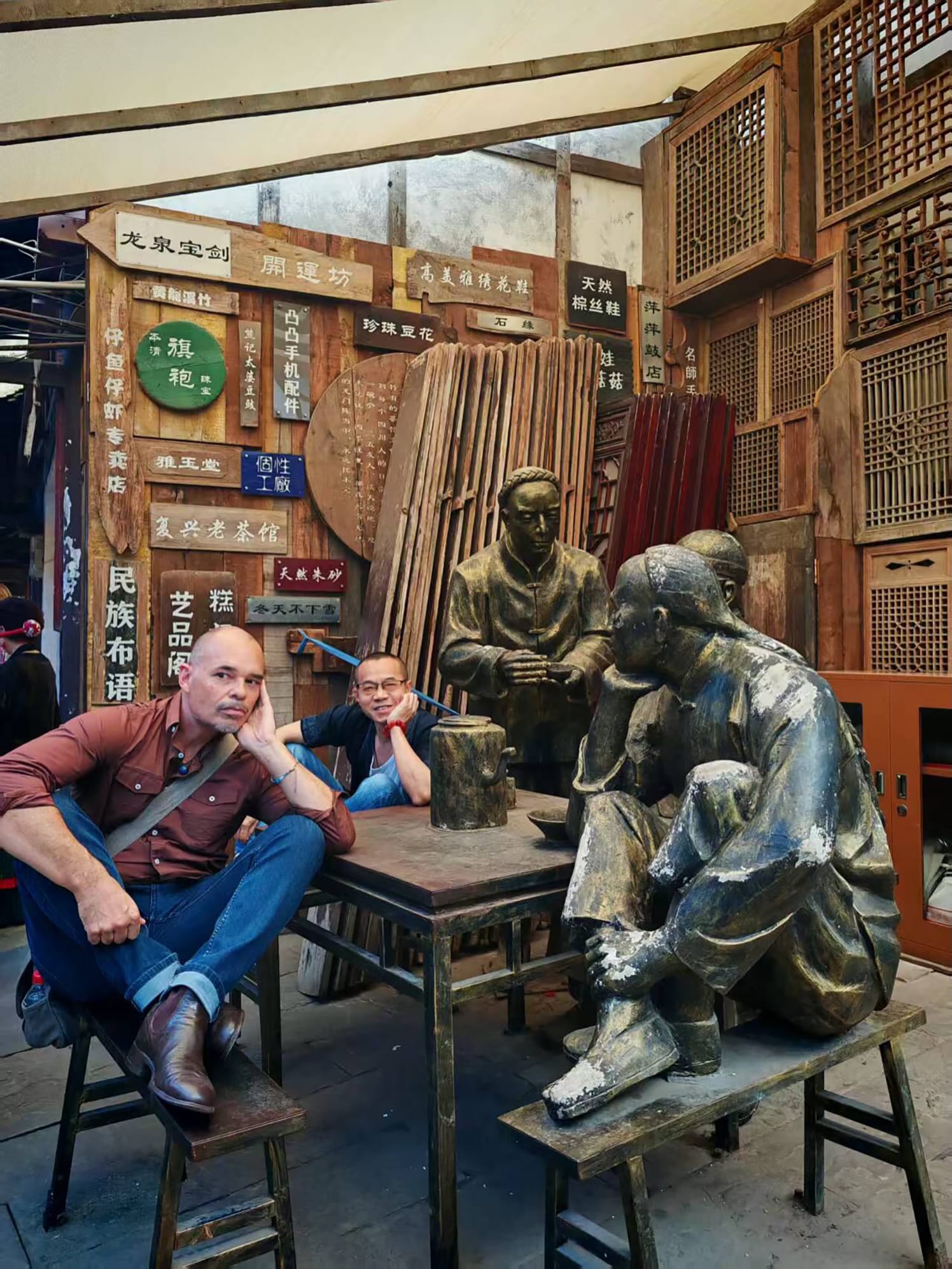
Cultural connections: Eastern Bay artist Jamie Boynton says his artist residencies in China have opened opportunities well beyond art, helping build cultural relationships and explore trade opportunities for New Zealand businesses. Photos supplied
Kathy Forsyth
Eastern Bay artist Jamie Boynton says the artist residencies he has completed in China over the past three years have become about far more than creating artwork.
Though the international exchanges have expanded his artistic career, they have also opened opportunities to build cultural relationships and explore potential markets for New Zealand products.
“I’ve done five trips there in the past three years,” Boynton said.
“Two in 2024, two in 2025 and one earlier this year. There may even be another one later this year.”
Three of the visits have been artist residencies organised through the Auckland International Gallery, which works with Chinese organisations to foster artistic and cultural exchange.
The gallery is connected with the New Zealand China Friendship Society, of which Boynton is also a member.
His first residency, in 2024, took him to an art village in Nonyang, near Chengdu, where artists from around the world are provided accommodation, meals and studio space in exchange for creating artwork.
Although Chengdu is a city of about 23 million people, Boynton said the nearby art village was a peaceful retreat.
“It’s gorgeous. Beautifully set up, quite traditional, lots of nature, and Chinese artefacts including ancient urns and traditional pottery.”
Since then, he has completed residencies in Beijing and returned to Chengdu and Xi’ an. During his latest residency earlier this year he painted a mural alongside Chinese and international artists.
“My first trip was really about feeling out the country and asking whether all the stories you hear are actually true,” he said.
“It’s a fascinating place. As an international artist representing New Zealand and sharing culture through art, it’ s a wonderful way to travel.”
Boynton was impressed by China’s rapid technological development and infrastructure.
“They’re incredibly advanced with manufacturing and technology. Their infrastructure is extremely well planned and, because of their scale, they do it well.”
He believes maintaining strong relationships with China is important.
“They’re our biggest trading partner. It’s smart for us to have strong relationships with our Asia-Pacific neighbours.”
Those connections extend beyond the arts.
Late last year Boynton joined a New Zealand delegation meeting an economic delegation from China’s Sichuan province through the Auckland Chamber of Commerce.
He has since started introducing selected New Zealand brands during his visits, including Eastern Bay company Manuka Performance, which develops nutraceutical products from honey.
“I’m taking some of their products with me and feeling out the market to see whether we can create opportunities for New Zealand businesses.
I think product development is the greatest opportunity because it is such a massive market.”
Boynton has also developed relationships with the New Zealand Consulate in Beijing and the New Zealand Pavilion in Chengdu, which he believes could help support future trade opportunities.
His own artistic profile in China has continued to grow.
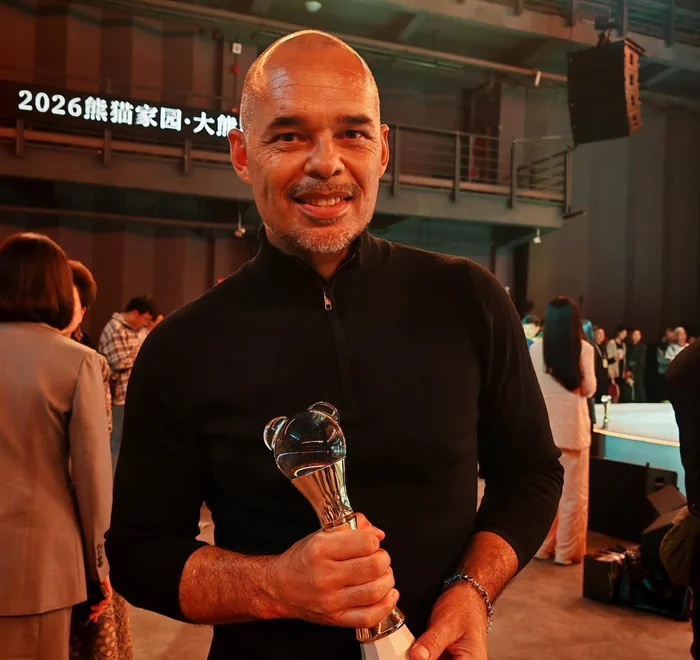
Last year he won the science fiction category at the Chengdu Panda Homeland Culture and Creativity Awards and was again named a finalist this year among more than 16,000 international entries.
He also received an award during his first residency for work exhibited at a flower expo in Chengdu.
“Now I’ve got a track record in China as a successful artist and international artist. More doors are opening and more opportunities are coming.”
One of those opportunities is an invitation to return to Nonyang later this year for an upcycling exhibition, while he has also been invited back to Xi’an to lecture at Eurasia University.
Among the highlights of his visits was seeing Chengdu’s famous giant pandas, but Boynton said he had also been struck by similarities between traditional Chinese and Māori values.
“There’s a great love and respect for nature in China. Those are some of the parallels I see with Māori culture.”
Building those cultural connections is central to his work.
“My intention with my art is to bridge cultural boundaries and create harmony.
“My work has a strong environmental focus as well. Look after the Earth, look after the people, and everyone will prosper.”
Looking ahead, Boynton hopes to secure a residency in Shanghai and eventually create opportunities for other New Zealand artists to experience China while also hosting Chinese artists in the Bay of Plenty.
“I’d love to bring other artists into China to have these experiences and then bring Chinese artists here.”