
The holiday I hope my kids will remember
Ngaire Tai
Jamie Vunivesilevu
On a clear morning this weekend, before the sun rises, my husband will build a fire. Our kids, still half-asleep and bundled in warm clothes and blankets, will stumble outside with us into the cold. And together we'll look up.
No presents to wrap, no lists of things to buy, no stress about what we can and can’t afford. Just our little whānau, a fire, and the stars.
Of all the things I love about Matariki – and there are many – it’s this that I treasure most.
In a calendar crowded with holidays that seem to arrive with a shopping list attached, Matariki asks nothing of us but presence.
It asks us to remember those we’ve lost, to be grateful for what we have, and to look forward with hope.
There is nothing to purchase. There is only each other.
When we stand around that fire this weekend, we’ll say the names of the loved ones who have left us this past year and the years before.
My children will hear those names spoken aloud, will learn that remembering is not a sad duty but an act of love – that the people we’ve lost remain part of our story.
Then we’ll share our hopes for the year ahead, the big dreams, the small ones and even the silly ones.
And when the cold finally wins, we’ll head inside and come together for kai.
As a child, Matariki wasn’t something I knew.
Te Ao Māori was there – the marae, whānau, te reo – but so much of it wasn’t handed down to me whole.
Now, as an adult still finding my way, I often feel like I am learning a language of belonging that should have been mine all along.
There’s a particular kind of grief in that – but there’s also joy in watching it heal in the next generation.
Because my tamariki will never know a world where Matariki isn’t celebrated.
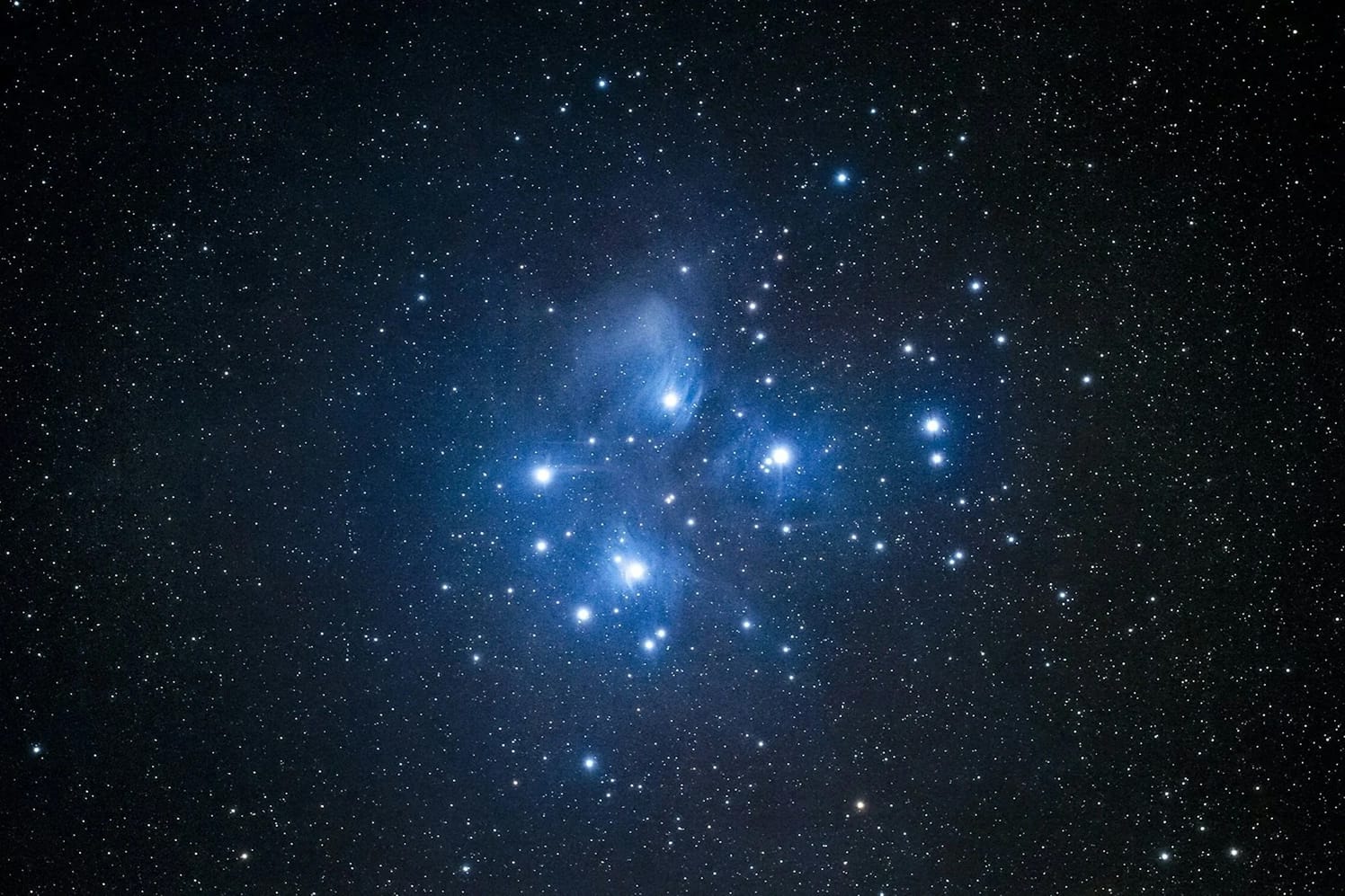
To them, it will simply always have been: the stories, the star cluster rising in the winter sky, the local celebrations that bring people together here in Ōpōtiki, the art spread across our kitchen table, preparing our gardens for the season ahead, the early morning fire.
They won’t have to find their way to it the way I did.
It will be woven into their childhood the way it should be – naturally, joyfully, without question.
We’re learning together, my kids and I, and honestly that's been one of the unexpected blessings of this season.
I don’t have to be the expert. We read the stories side by side.
We learn the names of the nine stars together – which one carries our hopes, which one connects us to those who have passed, and which ones connect us to te taiao (our natural world).
We make things with our hands, we play, we explore, we ask questions I can’t always answer, and we find out together.
There’s something beautiful about a holiday that lets a mum learn alongside her tamariki rather than perform for them.
My hope is that when my kids are grown and they look back on their childhood, this is the holiday that stands out.
The one where they stood in the dark with their parents, breath fogging in the cold, arguing about who gets to stand next to who, firelight on their faces, the distant sound of waves crashing, saying the names of people they loved and dreaming out loud about the year to come.
That’s the inheritance I want to give them.
Not things. Memory, gratitude, hope, and the knowledge that on one of the coldest mornings each year, their whānau gathered close and looked up to the stars.
Mānawatia a Matariki.