CBD alcohol ban to stop rough sleepers day-drinking

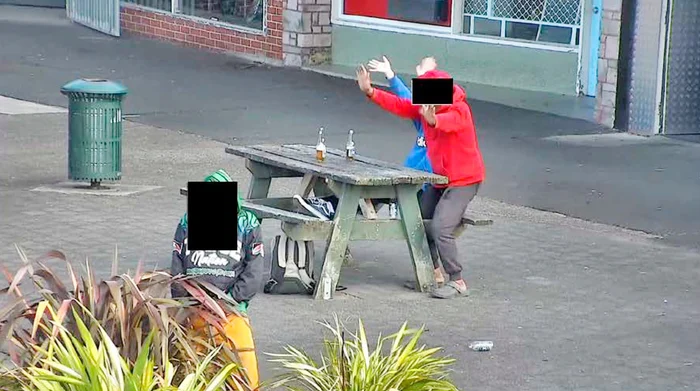
Growing problem: Day drinking among rough sleepers is becoming more frequent in the Whakatāne CBD according to police. File photo
Diane McCarthy
Whakatāne District Council plans to put a 24/7 alcohol ban in place for Whakatāne and Murupara central business districts to help police manage problem drinkers.
The council received submissions from both Whakatāne and Rotorua police supporting the move during its public consultation on the draft Alcohol Control Bylaw, planned for adoption on July 23.
At a hearing on the bylaw change, Whakatāne Police Sergeant Christopher Howard, inset, said police had seen a recent spike in the number of rough sleepers drinking in the town centre during the day, often resulting in offensive behaviour.
“We all know that there is an increase in our people who are sleeping rough. A lot of them have a pretty bad back story and they rely on alcohol and other substances to deal with life. It does affect other members of the public.
“Anything we can do as a community to reduce that harm, to the individuals and the public, I think, is a positive. I think the public support this [24/7 ban]. Alcohol, unfortunately, is present in everything police deal with.”
Now, the bylaw targets drinking on and around weekends and some holidays, banning drinking alcohol in public places from noon Thursday until 3am Monday.
At Christmas and New Year, it runs from noon on Christmas Eve until noon on Boxing Day, and from noon on New Year’s Eve until 3pm New Year’s Day.
Howard said there were several people who were aware there was nothing police could do about public drinking in the CBD outside these times.
“We’ve got a group of them who know who we are, but they also know they can drink on the off-days. We just need to be able to get the message through to them.
“It’s early intervention for us. We use this legislation to reduce harm around alcohol and violence in our CBD area.
“Nine times out of 10 they will abide by our instructions to leave. It’s about reducing harm not reacting to it.”
There was strong support amongst other submitters for the 24/7 ban, with 43 out of 60 in agreement with it, 14 against and three not sure.
As well as welcoming the 24/7 ban, police support a nightly 9pm to 7pm ban for other public areas proposed by the council, particularly on beaches where partying youths can be a problem.
“Traditionally Friday, Saturday nights were the drinking nights. That’s changed now. It’s every night,” Howard said.
Police would not be patrolling beaches looking for drinkers, but responding when drinking led to public disorderliness.
“It’s not about stopping mum and dad having a glass of wine while watching the sunset. It’s the disorder and the prospect of high-level violence coming from that.
“It’s an infringement notice. They’ll only get arrested if they fail to give us their details or fail to follow directions. It’s about the direction – ‘leave the area please, you’re not supposed to be here with alcohol, tip it out or we’ll take it off you’.”
While a 24/7 alcohol ban in the Murupara CBD was not included in the public consultation on the bylaw, the council received submissions asking for this, including from Rotorua Police, whose policing district Murupara falls within.
This was supported by the Murupara Community Board and Te Rūnanga o Ngāti Manawa.
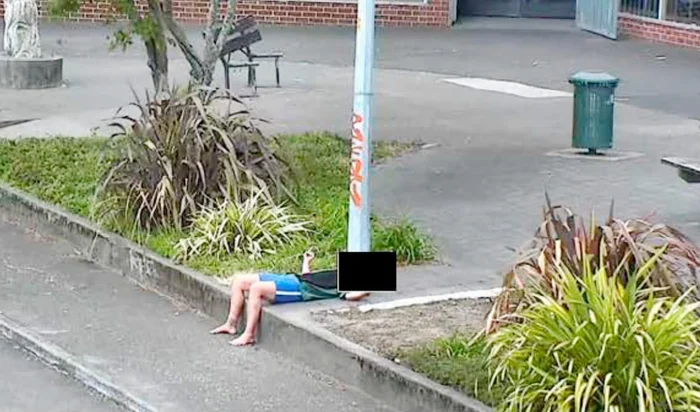
A submission by criminal investigation branch Detective Sergeant Nathan Marten included CCTV footage of people drinking outside shops at midday and in the afternoon, with young children nearby, asking people coming out of stores for money and rides, urinating in bushes and lying, intoxicated, on the footpaths.
Bottles were being left in shop doorways.
The submission gave statistics collected over 10 years in the Murupara area that showed public drinking was often a precursor to a range of alcohol-related harm including disorderly behaviour, fighting, harassment of members of the public, and damage to public spaces.
“Evidence consistently demonstrates that harm linked to alcohol consumption is not confined to specific days or hours.
“The current limited ban creates enforcement gaps, enabling problematic behaviour to shift outside restricted periods,” Marten’s submission said.
While deliberating on the bylaw changes, the council decided that, with the support shown for the ban in Murupara, no public consultation was necessary to introduce it.
Staff were asked to draft maps showing the areas that would be subject to the ban.