
Medical centres vote against government funding package
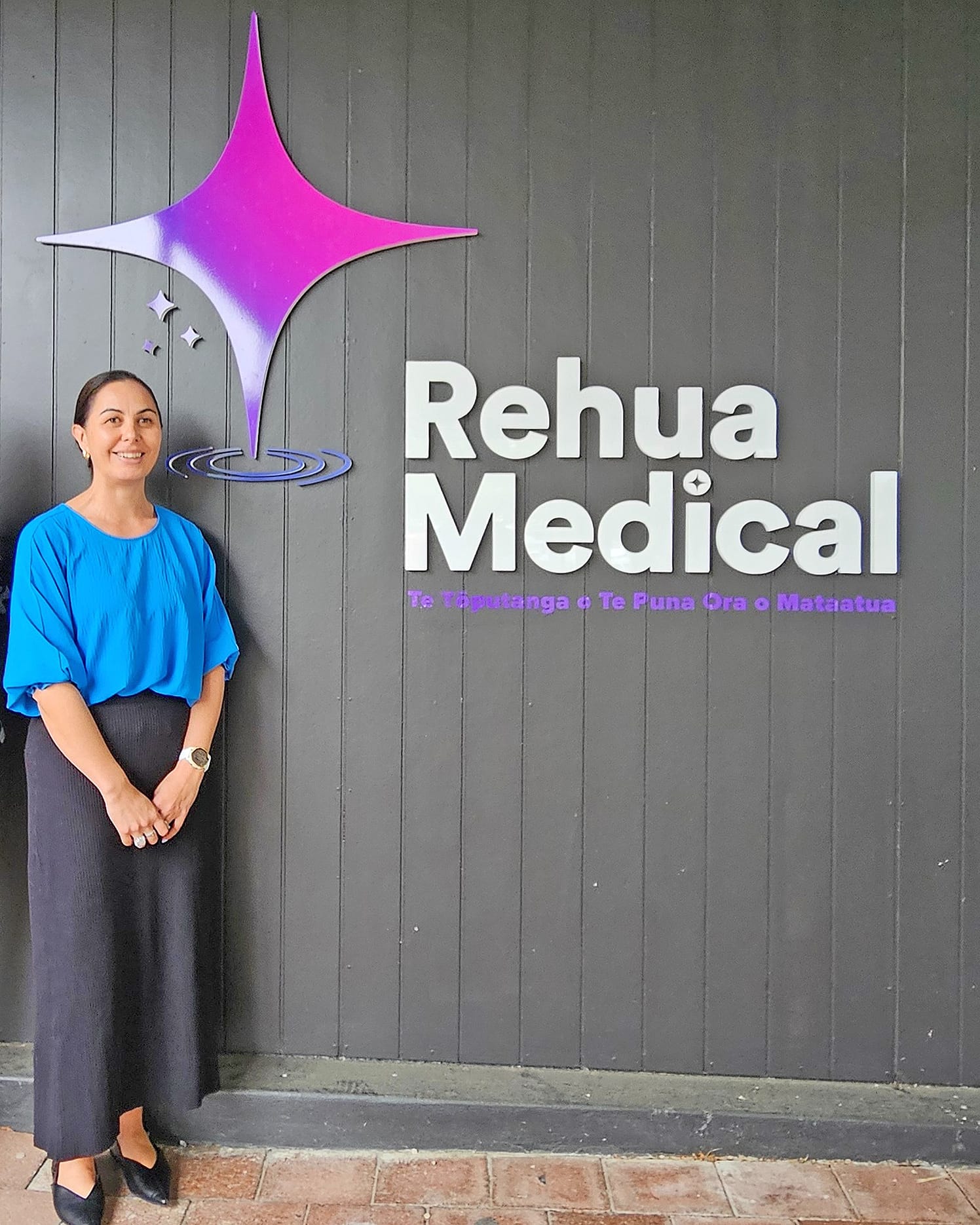
Te Whare o Rehua chief executive Shelley Cunningham.
News Editor
■ $120.6m primary care proposal 'weakens Te Tiriti obligations'
Te Whare o Rehua – the medical arm of Te Puna Ora o Mataatua and Tarawera Medical Centre – have voted against the Government’s $120.6 million primary care funding package, warning it weakens Te Tiriti o Waitangi obligations and will deepen inequitable health outcomes for Māori.
Te Whare o Rehua chief executive Shelley Cunningham said the proposal reduced the legal obligation to “give effect” to Te Tiriti to merely needing to “take into account” its principles.
“This is a serious step backwards,” she said,
“It undermines accountability to Te Tiriti o Waitangi and efforts to achieve equity for Māori.”
Cunningham said the long-awaited capitation reweighting, the first substantive review of the model in more than 20 years, failed to embed equity into the base funding formula because ethnicity has been removed from the core weighting.
While deprivation, rurality, comorbidity and age were recognised, Māori health need was instead treated as something to be addressed separately through an add-on or adjustment.
She cautions that this approach will create “significant and irreversible prejudice” for Māori because inequity is not peripheral to primary care need.
“Māori experience earlier onset of illness, earlier multimorbidity, higher rates of unmet need and barriers to timely care, meaning a base formula that excludes ethnicity cannot fairly fund need.
“Base funding determines whether practices are financially sustainable and able to provide longer consultations, proactive follow-up, whānau-centred care, outreach and the workforce required to respond to complex need,” Cunningham said.
“If ethnicity is excluded from core funding settings, the system risks treating predictable and well-evidenced inequity as an optional extra, rather than a foundational funding responsibility.
“We are already seeing reduced access to GP services for whānau, particularly in rural areas. What is most alarming is that these whānau are not presenting at emergency departments either – they are simply going without care.”
Chair of Tarawera Medical Centre and Ngāti Tūwharetoa Settlement Trust, which holds interests in Tarawera Medical, Karilyn Te Riini said equitable health outcomes for Māori must be grounded in Te Tiriti o Waitangi and reflected in funding, commissioning and service design.
“Equity in health is not an optional extra - it is fundamental to achieving better outcomes for whānau, hapū, iwi and communities,” she said.
“For Māori, that means upholding tino rangatiratanga, partnership, active protection, equity and options in a way that is embedded and accountable.”
Te Riini said Ngāti Tūwharetoa remained committed to improving health and wellbeing outcomes for its people and the wider Kawerau community, including through responsive, locally led models of care.
“Treating equity as an add-on, rather than embedding it within base funding, risks reinforcing the very inequities the health system is meant to address,” she said.
Ngāti Tūwharetoa would continue advocating for funding arrangements that upheld Te Tiriti and support sustainable Māori-led health solutions, while progressing plans for a community health hub to strengthen integrated care in Kawerau.
Te Whare o Rehua is calling on the Government to reconsider the proposal and maintain strong legislative obligations that support equitable health outcomes for Māori.
Contracted provider practices voted last week on whether to accept the revised primary care funding package.