
Lemons – sunshine in the kitchen

Contributed
n Bright, fragrant and bursting with flavour, lemons are one of the hardest-working fruits in the kitchen. Squeezed over fish, stirred into a warm winter drink or baked into a favourite family recipe, lemons bring a fresh zing that few other ingredients can match. But beyond their culinary appeal, lemons also offer a vast range of nutritional benefits, writes nutritional therapist Paula Sharp in her fortnightly column.
Lemons are believed to have originated in north-eastern India, northern Myanmar and parts of China. They made their way west through trade routes and were cultivated throughout the Mediterranean by the first century AD.
Sailors famously carried citrus fruits, including lemons, on long sea voyages to help prevent scurvy, caused by severe vitamin C deficiency.
Today, lemons are grown in many warm regions of the world, including New Zealand. They thrive particularly well in our temperate climate and are a popular addition to gardens throughout the Bay of Plenty.
Lemon trees are relatively easy to grow and reward gardeners with an abundant harvest.
The most common varieties in New Zealand include Meyer lemons and Yen Ben lemons.
Meyer lemons are slightly sweeter and less acidic, while Yen Ben lemons are the classic tart variety many people associate with traditional lemon recipes.
Lemon trees prefer a sunny, sheltered position with well-drained soil. Regular watering during dry periods, a layer of mulch and seasonal feeding with a citrus fertiliser encourage healthy growth and fruit production.
Established trees can produce an impressive crop, often leaving neighbours generously sharing bags of excess fruit.
One of the joys of growing lemons is having access to fruit at its freshest. Home-grown lemons often have thinner skins and a stronger aroma than imported varieties.
Although we rarely eat lemons in large quantities, even a modest amount contributes valuable nutrients to the diet.
Lemons are particularly rich in vitamin C, an essential nutrient involved in immune function, collagen production and wound healing. One lemon can provide around 30-40 mg of vitamin C, contributing significantly towards daily requirements.
Lemons also contain:
■ Potassium, which supports healthy blood pressure and nerve function.
■n Folate, important for cell growth and development.
■ Flavonoids, naturally occurring plant compounds with antioxidant properties that help protect our cells from oxidative stress.
■ Small amounts of fibre, particularly if some of the pulp is consumed.
The characteristic tart flavour of lemons comes from citric acid.
This compound may help reduce the formation of certain types of kidney stones in susceptible individuals by increasing urinary citrate levels.
Despite popular claims, lemons are not a miracle cure. However, they can certainly be part of an overall nutritious eating pattern.
Adding lemon juice to vegetables, salads and seafood enhances flavour naturally and can reduce the need for excessive salt.
A squeeze of lemon can brighten soups, dressings and roasted vegetables.
Lemon zest adds intense citrus flavour to baking without extra sugar, while preserved lemons bring depth to stews and grain dishes.
If you have a glut of lemons, freeze the juice in ice cube trays or grate and freeze the zest for future use.
■ Want more practical nutrition advice, seasonal recipes and simple wellness tips? Join News Bite, Paula Sharp’s free newsletter via www.paulasharpnutrition.com Each edition is packed with nourishing ideas designed to help you and your family eat well, live well and enjoy the best of what each season has to offer.

Lemon and Honey Winter Tonic
Ingredients
■ Juice of ½ lemon
■ 1 teaspoon raw honey (did you read last week’s article of honey producer Jewelle Lloyd?)
■ 250ml hot (not boiling) water
Optional: small slice of fresh ginger.
Method:
Place the lemon juice and honey into a mug. Add the ginger, if using. Pour over the hot water and stir until combined.
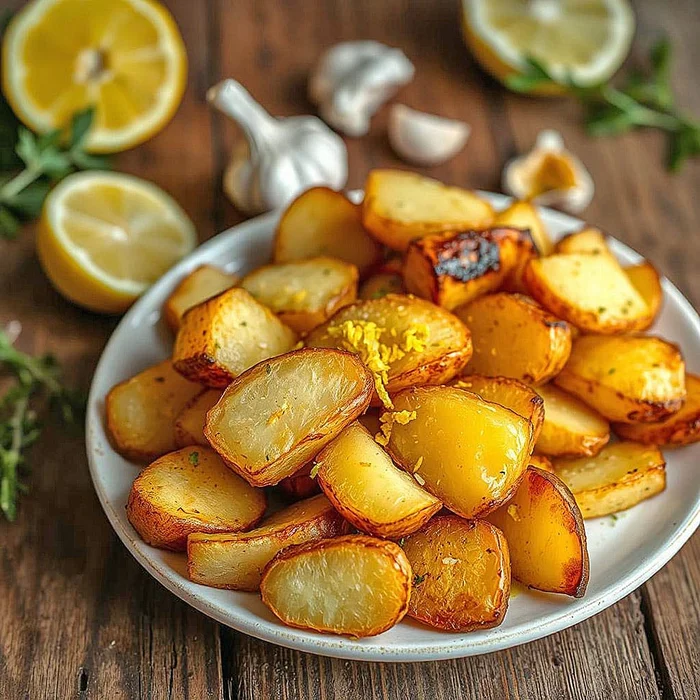
Lemony Roast Potatoes
Ingredients
■ 800g potatoes, cut into chunks
■ 2 tablespoons olive oil
■ 1 lemon, zest finely grated and juiced
■ 2 cloves garlic, crushed
■ 1 teaspoon dried oregano
■ Salt and pepper to taste
Method
Preheat the oven to 200 degrees C. Toss the potatoes with olive oil, garlic, oregano, salt and pepper. Roast for 40–50 minutes until golden and crisp. Drizzle with lemon juice and sprinkle with lemon zest before serving. Serves four.