
Boat ramp fees a prickly issue for fishers
File photo
Diane McCarthy
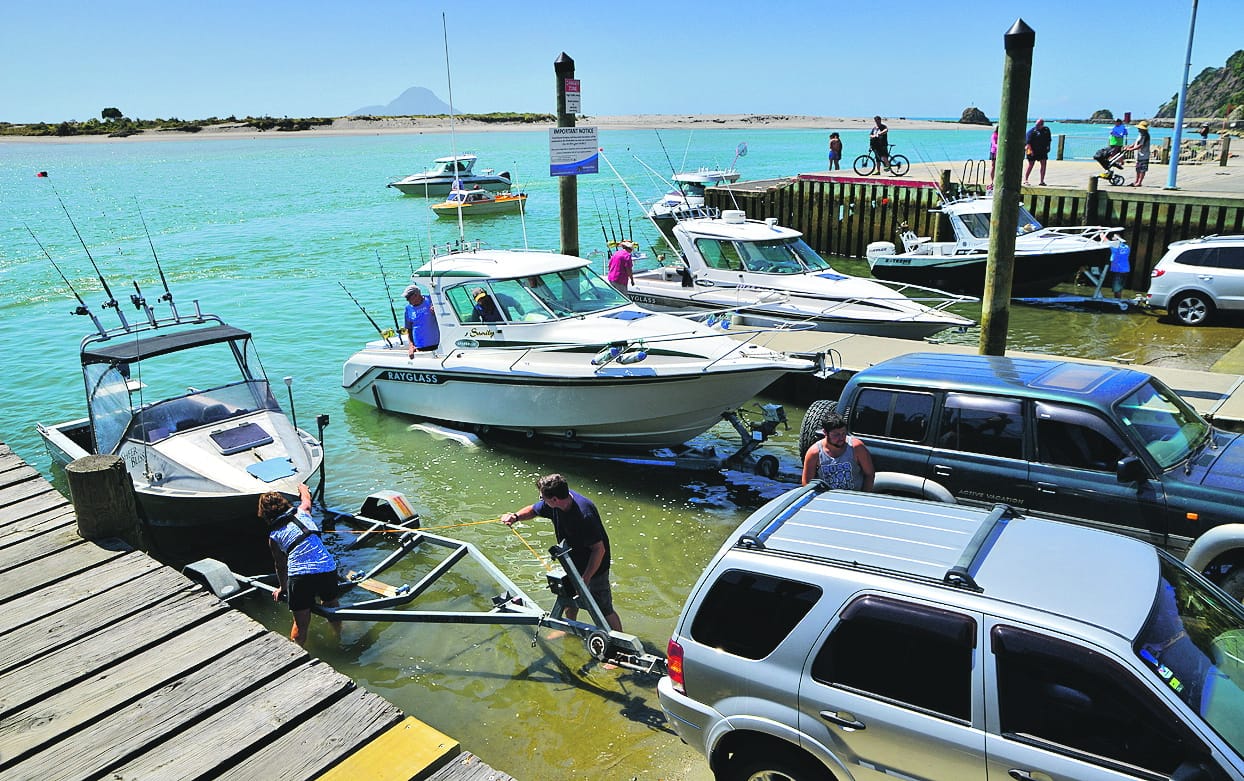
A $20 fee for “outsiders” to use Whakatāne’s boat ramp may cause some boaties to boycott the town.
Whakatāne District Council was warned of the potential backlash during a hearing for its new fees and charges schedule on Wednesday, but Mayor Nandor Tanczos and most councillors are prepared to risk fewer ramp users from outside the district.
As good neighbours, the council is looking at extending the local rate to the people of Kawerau and Ōpōtiki.
The council will adopt the new schedule in two weeks alongside its 2026-27 Annual Plan, ahead of the new financial year beginning July 1.
Under the new schedule, a $10 fee would be charged for Thornton and Ōhiwa boat ramps.
As well as the daily fee for people outside the district, a one-off administrative fee of $20 for district residents to use the boat ramp is being proposed.
During a month-long public consultation, the council received 53 submissions, with 27 opposed to a boat ramp fee, 25 agreeing with it and one unsure.
Three of the submitters who wanted the boat ramp to be free addressed the council in person.
Graham Walker said he would not use the boat ramp if he was going to be charged, even if it meant costing him more to go further afield.
“I’m going to Opape or I’m going to Waihau Bay ... because I believe that amenity should be free.”
He has refused to use Whitianga boat ramp since the council introduced a fee there, despite saying he enjoys the area.
“Fishermen are pretty prickly people. If they see something that they don’t believe in, in principle, they will kick up and head the other direction.”
Barry Cutfield agrees that the imposition of a fee will deter guests to the district.
“The scheme is cumbersome, repressive, regressive and laden with overheads. For visitors, the hassle of the transaction is possibly more significant than the sum.”
Income from harbour leases, particularly those in the central business district, are more than enough to sustain all of the harbour’s assets, in his opinion and make it “the envy of any port operator in the country”.
He proposes promoting the district, using “zero fees and zero hassle” as a tool to attract boaties.
“They spend a bob in our businesses while they’re here. We should recognise the economic benefits of that spend.”
David Matthews said the user-pays approach to the boat ramp was “going to leave a sour taste in the mouths of people who want to visit our area”.
He listed several council services in the district he did not use but contributed to through his rates, such as libraries, parks and playgrounds.
“Twenty dollars might not be very much, but we all know that this is the thin end of the wedge ... Next thing we could be paying $100.”
Councillor Wilson James said boat ramp users shouldn’t be singled out for a user-pays model that was being applied inconsistently.
“If we charge for the boat ramp we should also charge for parking, and I certainly don’t support that.”
Councillor Lesley Immink was also unsupportive of a fee at this stage, wanting to promote Whakatāne as a no-fees place for recreational boaties.
Finance general manager Paul Davidson said though harbour leases brought in around $2.6 million in income for the Harbour Operational Fund, operating costs were trending toward a deficit for the past three years. It was $172,000 in deficit at the end of the last financial year.
Cleaning and keeping the boat ramp free of debris costs around $140,000 annually, depending on weather conditions.
Tanczos said he supported the fee, otherwise rates would need to be raised further to cover the deficit.
“When you think about the cost of buying a boat, filling your 4WD up with diesel, towing it from out of town, filling it up with ice and bait ... the cost that we’re talking about is nothing,” he said.
He accepts some boaties might avoid Whakatāne, on principal.
“There are people like that, but that’s not most people.”
He said if the council didn’t charge for boat ramps, they should not charge sports clubs for using sports grounds or community halls either.
“If I think about the people who need to be subsidised in our community, I think about the kids playing sport. If we were going to be putting the rates up, that’s who I would put them up for.”