
Opinion: Calling it democracy does not make it so

News Editor
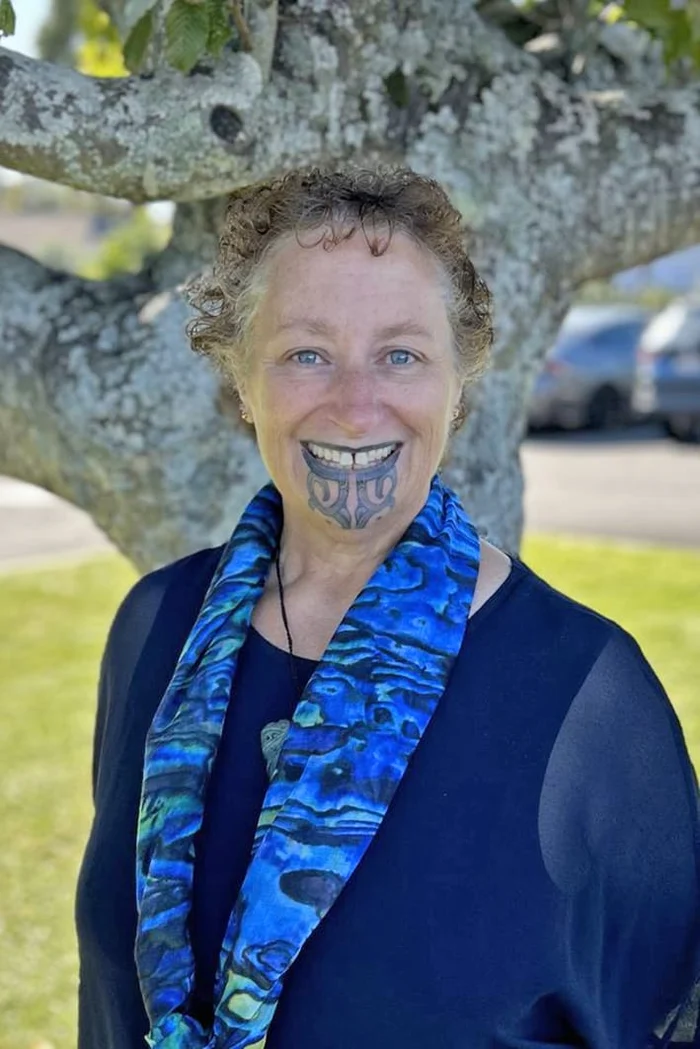
■ On June 2, the Government announced it would change the law so that only elected councillors could vote on council committees. Local Government Minister Simon Watts framed this change as a defence of democratic accountability, writes Bay of Plenty Regional Councillor, Kōhi Māori Ward Dr Mawera Karetai
In fact, it is the opposite. What he has done is strip the vote from people whose knowledge, mandate and lived expertise our councils have deliberately sought out, and he has done it without letting the public say a word.
The change I am referring to amends the Local Government Act 2002 and will be glued onto the Local Government (System Improvements) Bill. That bill has already been reported back from select committee, after the fact.
This means the very people affected by this decision, ratepayers, iwi, hapū and the professionals who serve on our committees, will get no opportunity to submit on it.
A change this significant deserved scrutiny. Instead, it arrived as a fait accompli.
Let’s think about the trigger. This followed a social media storm over the Far North District Council’s Māori liaison committee.
The motivation here is plain enough: to remove tangata whenua from the table where they had a vote. That is a strange thing for any government to pursue when Māori are among the largest collective landowners and asset holders in this country, with permanent, intergenerational stakes in the very regions these committees govern.
It is stranger still from a government that has already moved against Māori wards.
You cannot credibly argue Māori voices are over-represented in local democracy while simultaneously legislating to shrink them at every turn.
But this is not only about Māori, and that is the part the headlines have missed.
The minister cast his net wide, and the catch includes some of the most respected independent experts in local government.
Consider the audit and risk committees that sit at the heart of how councils protect ratepayer money.
The Auditor-General’s own office encourages councils to appoint independent chairs to these committees precisely because objective, expert oversight produces free and frank scrutiny.
In Tauranga, the Audit and Risk Committee is chaired by Dame Kerry Prendergast, an arrangement the Auditor-General has described as best practice.
Under this change, that independent chair loses her vote.
As Tauranga Mayor Mahé Drysdale put it, taking the vote away from the chair weakens governance. He warned that appointed experts risk becoming “lame ducks”, and that councils will find it harder to attract people with the best skills.
Hastings Mayor Wendy Schollum made the point even more sharply. Her council oversees around 3.6 billion dollars of community assets.
When you are stewarding sums like that, having independent financial, legal and risk expertise in the room, with a vote that signals where that expert stands, protects scrutiny and protects ratepayers.
Strip the expert of the vote and councillors lose a vital piece of information: the considered weighting of the person who knows the subject best.
No elected pool, however capable, holds every skill in house. That is the entire reason these appointments exist, and successive Parliaments of every stripe have kept the provision in place for exactly that reason.
The young people appointed to committees lose their vote too.
Councils that made a deliberate effort to bring rangatahi into decisions about their own future will now be told those voices may speak but must not count.
Then there is the contradiction the Government cannot explain away. At the same time as it removes the vote from unelected committee members in the name of accountability, its own water reforms, Local Water Done Well, will hand roughly a third of all council business to council-owned water companies run by unelected directors.
The same legislation specifically bars elected members from sitting on those water boards.
So, the Government is taking democratic decision-making away from elected councillors with one hand while lecturing the rest of us about democracy with the other.
As Mayor Drysdale said, it is genuinely difficult to work out what problem this is meant to solve.
It might be difficult for Mayor Drysdale, but it is plainly obvious for Māori in an election year, already plagued with manufactured outrage and dog whistling.
The honest answer is that it solves no problem the community has. Appointed committee members never sat on full council.
They never had the final say on rates, on annual plans, on long-term plans. Those decisions always rested, and will continue to rest, with elected members.
Committees make recommendations; the elected council decides. The accountability the Minister claims to be defending was never in danger.
A vote is not just a vote. It is the weight that makes a voice count. When you take the vote away, you do not preserve the voice, you diminish it, and everyone in the room knows it. That is true for an iwi representative, it is true for a dame chairing an audit committee, and it is true for a rangatahi at the table for the first time.
We were not broken. Our councils were drawing on the full range of knowledge our communities hold, Māori and Pākehā, elected and expert, in service of better decisions. This change does not strengthen local democracy. It hollows it out, and it asks us to call the hollowing an improvement.
It is not. And the people it silences deserved at least the chance to say so.