
Jewelle Lloyd: Queen Bee of Ōhope
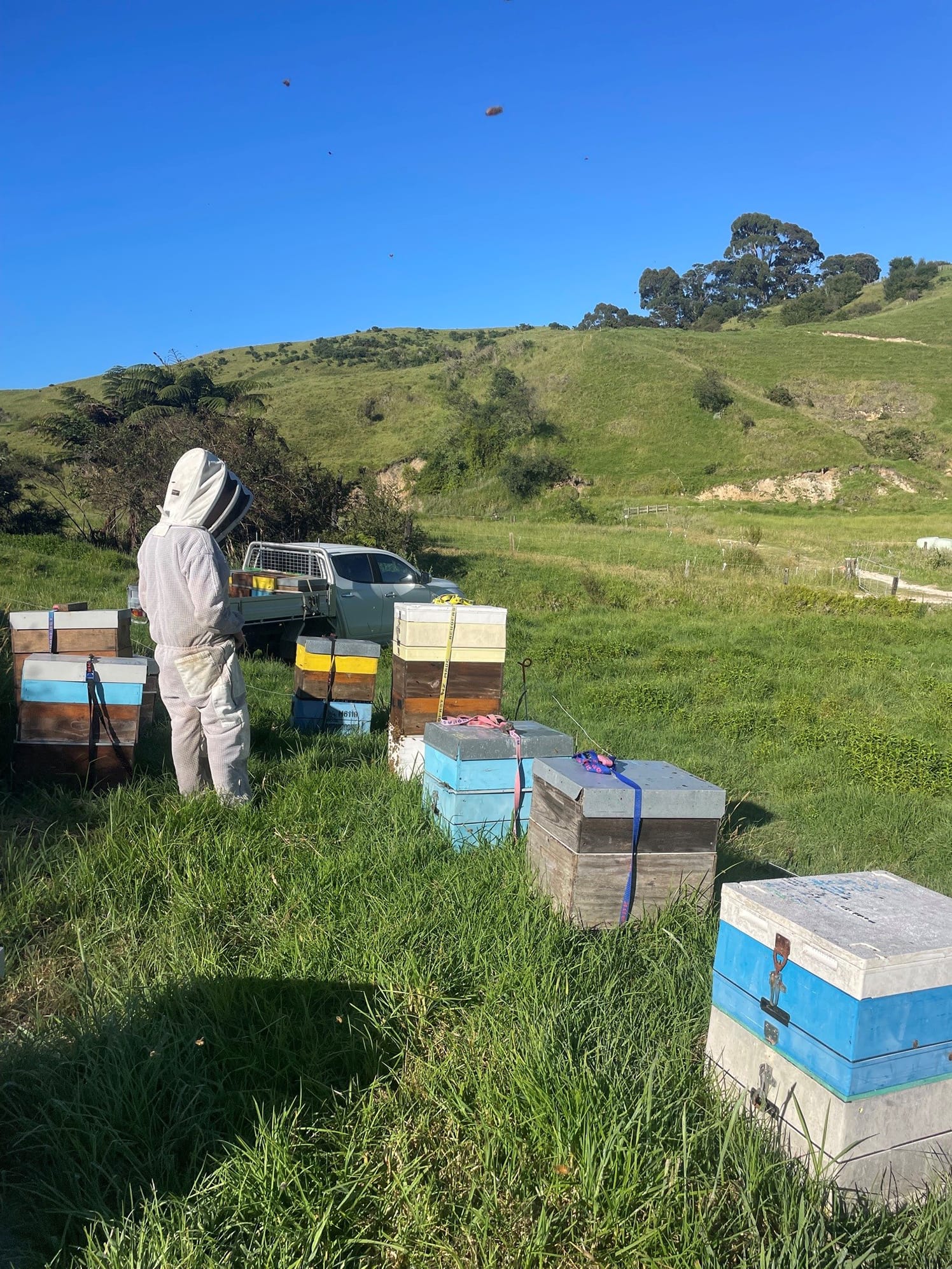
Keeping calm: Good beekeeping requires patience, consistency and respect for the natural behaviour of the hive.
Contributed
Paula Sharp
Nutritional therapist
Ōhope Beach may be known for surf and sunshine but tucked behind the relaxed coastal lifestyle is a woman whose life revolves around one of nature’s most remarkable creatures – the honeybee.
For honey producer, Jewelle Lloyd, bees are far more than livestock or a business venture. They are part of her family history, daily rhythm and identity.
Lloyd laughs when she admits she may be slightly obsessed with bees. Bee earrings, bee socks, bee-themed gifts – “I just love them,” she said. But this is far more than a hobby.
Beekeeping has been woven through generations of her family.
Her earliest memories are tied to her grandmother’s homestead and the hives that stood near the back door. While other children kept their distance, Lloyd was fascinated. Her grandmother used honey straight from the hives and treated the bees with enormous respect, often talking to them as she worked around the property. She didn’t even bother with a beekeeper’s suit. Stings were very rare.
As a child, Lloyd absorbed knowledge through observation and endless questions.
“My brothers weren’t interested in the bees at all,” she said. “But I was always curious.”
That curiosity stayed with her into adulthood and is now beginning to circle back through the next generation, with her sons showing growing interest in the family craft, and a cousin works in kiwifruit pollination.
Today Lloyd manages about 30 hives – 15 on a coastal Bay of Plenty farm and another 15 on her partner’s property near Gisborne. The different landscapes and flowering plants create distinct honey varieties and flavours.
Unlike large commercial operations, Lloyd keeps her approach intentionally hands-on. One of the most important aspects of her practice is breeding and raising her own queen bees.
The queen is the heart of the hive, she explained. Her genetics influence temperament, productivity, disease resistance and colony strength.
By selecting and breeding her own queens, Lloyd maintains close oversight of the lineage within her hives.
“It means I know exactly where my queens have come from,” she said. “I can monitor strength, temperament and disease resistance much more closely.”
The Bay of Plenty’s coastal environment provides bees with a rich mix of flowering plants, including clover, pōhutukawa, mānuka and coastal species. The Gisborne hives experience different conditions again, producing variations in the honey.
Raw honey, Lloyd said, was far more than a sweetener. It contains naturally occurring enzymes, antioxidants and antibacterial compounds. Many New Zealand honeys, especially mānuka blends, are internationally recognised for their medicinal properties.
Lloyd sells her honey raw and minimally processed to preserve its natural qualities.

“When honey is overheated, you lose some of the beneficial compounds,” she said.
She sends harvested frames away for extraction, where the honey is spun from the comb, lightly filtered and jarred. Nothing goes to waste, with beeswax also sold for use in candles, skincare products and balms.
Modern beekeeping comes with growing challenges. Habitat loss, pesticides, climate instability and varroa mites continue to threaten bee populations worldwide.
“Healthy bees are not accidental,” Lloyd said.
Outside the hives, Lloyd works as a hairdressing tutor at Toi Ohomai Institute of Technology in Whakatāne. While teaching pays the bills, the bees clearly feed something deeper.
At markets, she lights up discussing hive behaviour, queen development and seasonal honey changes. Customers quickly realise they are buying from someone deeply connected to her craft.
Her honey is available at the Whakatāne Sunday Market and several Eastern Bay retailers, or directly from Jewelle at [email protected]
For many buyers, purchasing local honey is about more than taste. It supports small-scale producers, local food resilience and the protection of pollinators.
And in Lloyd’s case, every jar carries a story stretching back generations – from a grandmother chatting to bees beside a homestead garden to a passionate beekeeper in Ōhope continuing the tradition today.
■ If you would like my free PDF Medicinal Honey Recipes, including simple ways to use raw honey for wellness, soothing winter tonics and nourishing kitchen remedies, email me at [email protected].
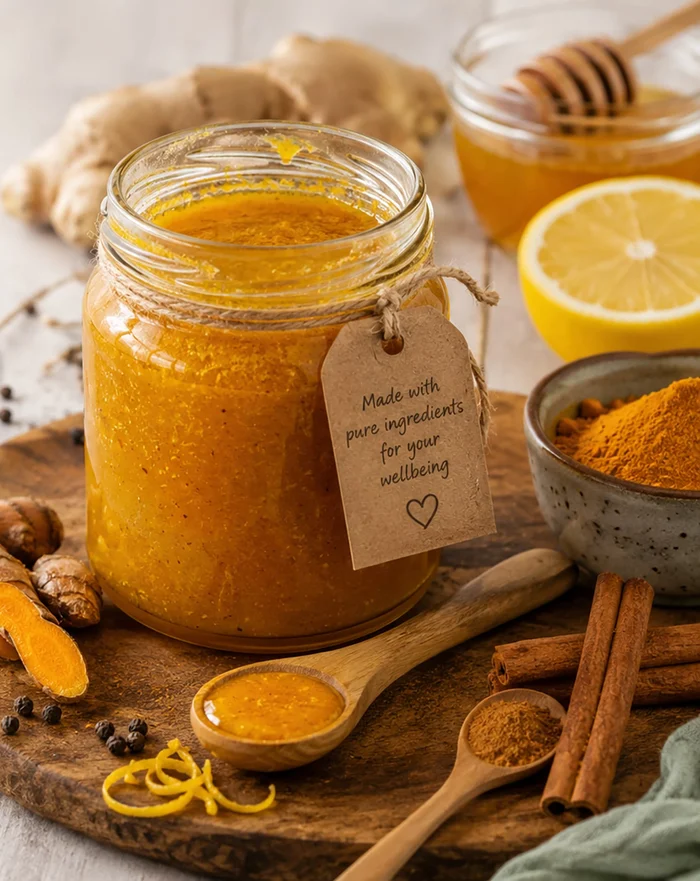
Golden Turmeric Immune Honey
A winter remedy to keep in the fridge for soothing sore throats, supporting immunity and adding to warm drinks.
Ingredients:
1 cup raw local honey
1 tbsp ground turmeric
1 tsp ground cinnamon
½ tsp ground ginger
Pinch of black pepper
1 tsp lemon zest
Method: Add all ingredients to a clean glass jar. Stir thoroughly until well combined. Seal and store in a cool pantry or fridge.
■ How to use
Take 1 tsp daily during winter. Stir into warm water with lemon for an immune-support drink.
Add to herbal tea once it has cooled slightly (avoid boiling water to help preserve the beneficial properties of raw honey).
Drizzle over porridge or natural yoghurt.
■ Why it works
Raw honey contains naturally occurring antibacterial compounds and antioxidants. Turmeric and ginger are anti-inflammation and support immune health. Black pepper helps improve turmeric absorption.
■ Important: Honey should not be given to babies under 12 months of age.