
$75 million boost for Waioweka Gorge resilience
.
East Coast MP Dana Kirkpatrick has welcomed a $75 million Government investment aimed at improving the resilience of State Highway 2 through the Waioweka Gorge, one of the East Coast’s most important transport routes.
The funding was confirmed as part of the Government’s $400 million state highway resilience package announced in Budget 2026.
“Anyone who lives on the East Coast or in the Eastern BOP knows how important SH2 through the Waioweka Gorge is. When it closes, the impacts are felt right across our region,” Kirkpatrick said.

The Waioweka Gorge section of SH2 is a critical link between the Eastern Bay and Tairāwhiti, carrying around 1700 vehicles a day, including a significant number of freight trucks transporting goods through the region.
“When the road closes, the economic impact is significant. Regional losses are estimated at around $8 million for every day the route is shut,” Kirkpatrick said.
The road had been hit by repeated closures over the years, including a three-week closure earlier this year, she said. A single slip or severe weather event can leave communities isolated and businesses struggling.
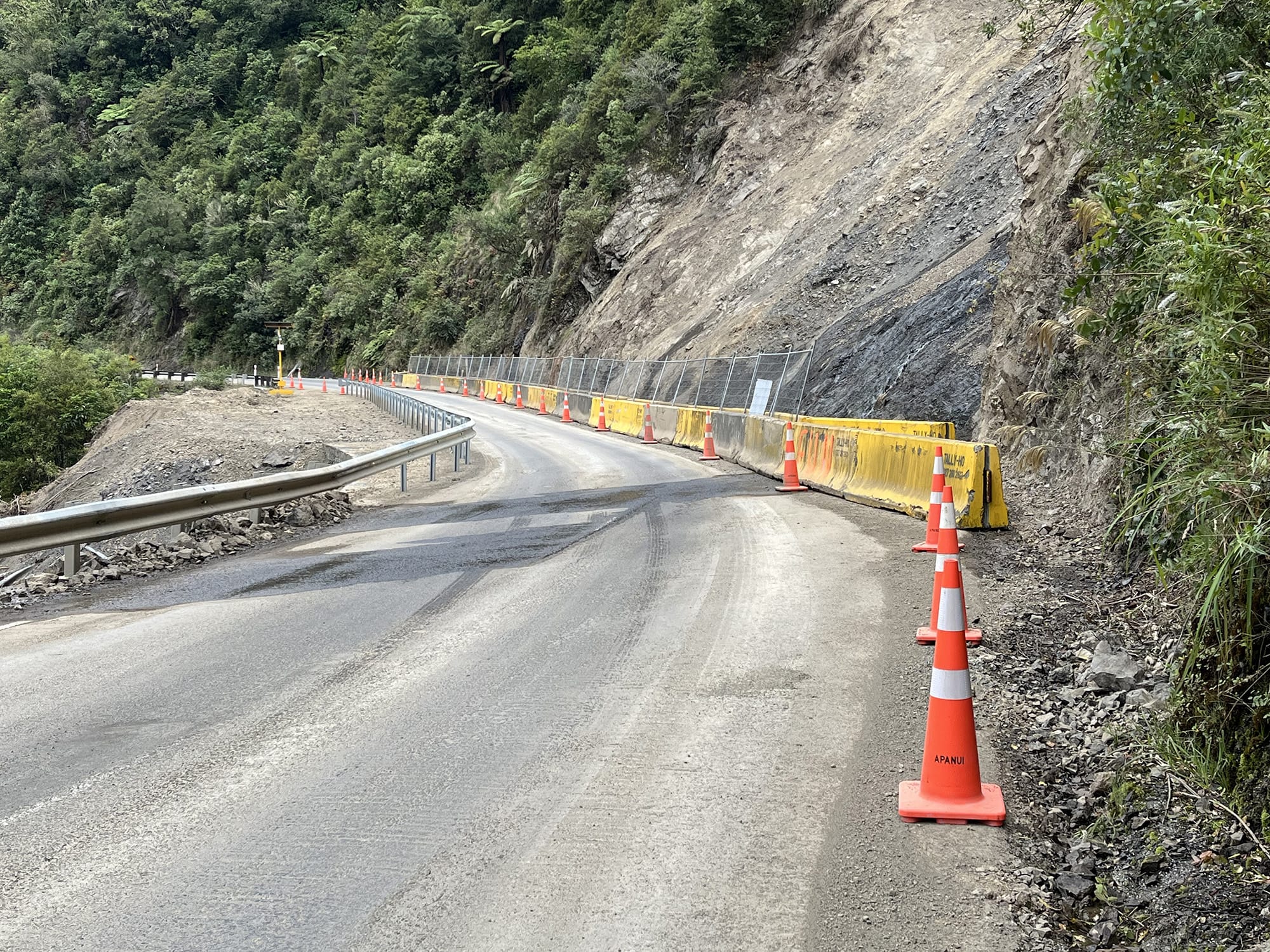
“The Waioweka Gorge resilience upgrades have a high-level estimated cost of around $75 million and will target some of the most vulnerable sections of the corridor between Ōpōtiki and Matawai. They are likely to include slope stabilisation, rockfall protection, drainage improvements and targeted works at critical sites.”
Kirkpatrick said she was pleased the Government was supporting the economic base in Tairawhiti and the Eastern Bay.
“The aim is simple: keep this road open more often and get it reopened faster when severe weather strikes.
“These upgrades won’t stop every closure, but they will help make this vital lifeline route more reliable for the people, businesses and freight operators who depend on it every day.”
This investment, she noted, was part of the Government’s plan to fix the basics and build the future.
“Budget 2026 includes major investments to strengthen roads and other critical infrastructure, improve hazard information, support better emergency management, and ensure New Zealand is better prepared for future weather events.
“We can’t stop severe weather from happening, but we can be much better prepared for it.”
For the East Coast, this meant investing in the roads and transport links that keep communities connected and our economy moving.
Further work will continue to refine the final scope, design and delivery programme for the project.