Loss of swimming hole a blow to community
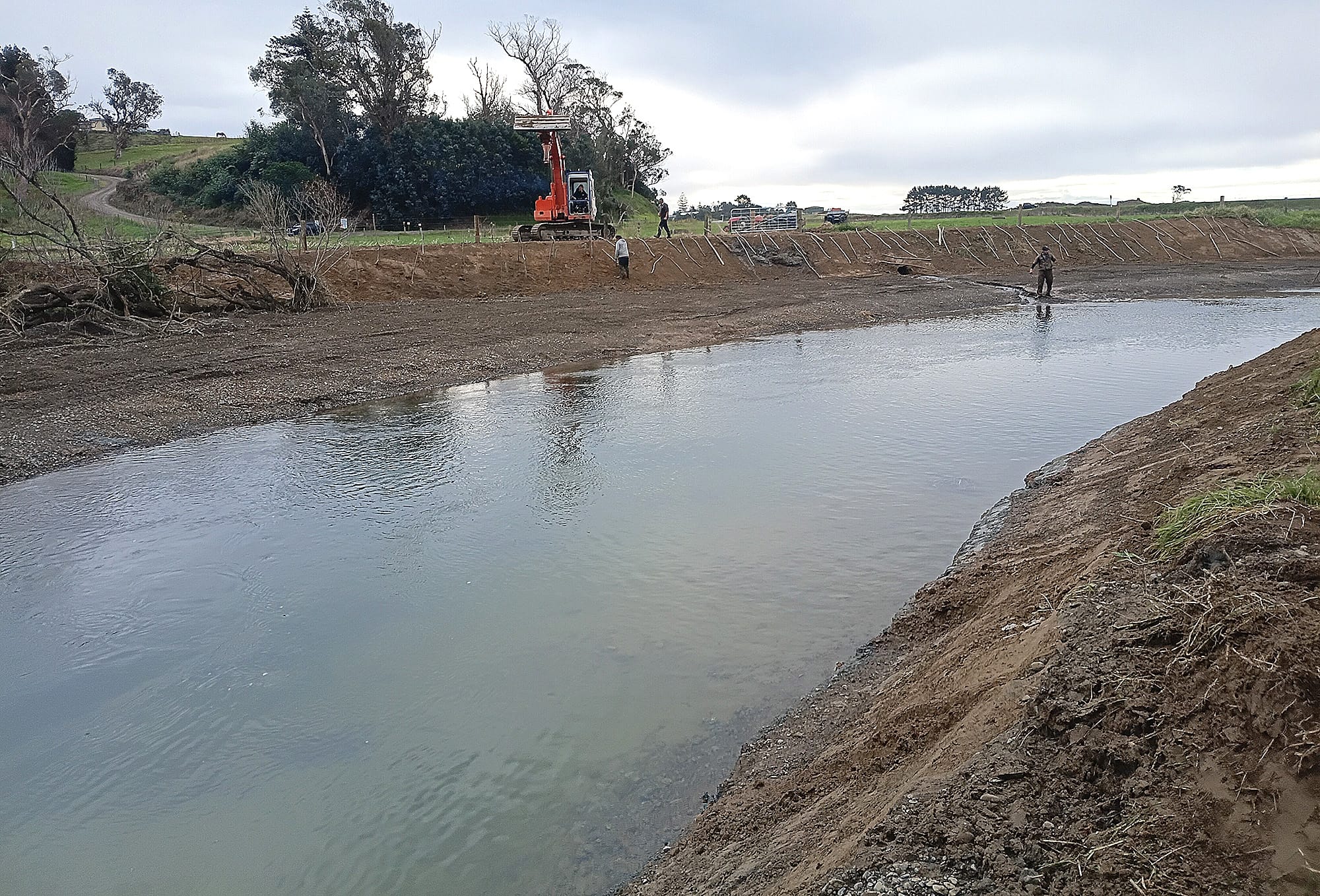
River movements: River maintenance earthworks carried out along Waiaua River recently have left locals without access to a popular beach and swimming hole. Photo supplied
Diane McCarthy
Earthworks carried out on the Waiaua River has left some in the Ōmarumutu community dismayed at the loss of their popular swimming hole.
“There is no public river beach access and no swimming hole anymore in the Waiaua Stream,” said resident Grant Kelly.
He has questioned the Bay of Plenty Regional Council’s process in allowing the work to be done without the community or hapū being consulted.
Kelly said the river was used by swimmers, including Ōmarumutu School students, whitebaiters, flounder fishers and paddleboarders.
He is in the process of trying to establish a care group for the Waiaua River valley to plant native trees and shrubs along the river, which he feels has been neglected, with invasive willows predominant, and regular flooding.
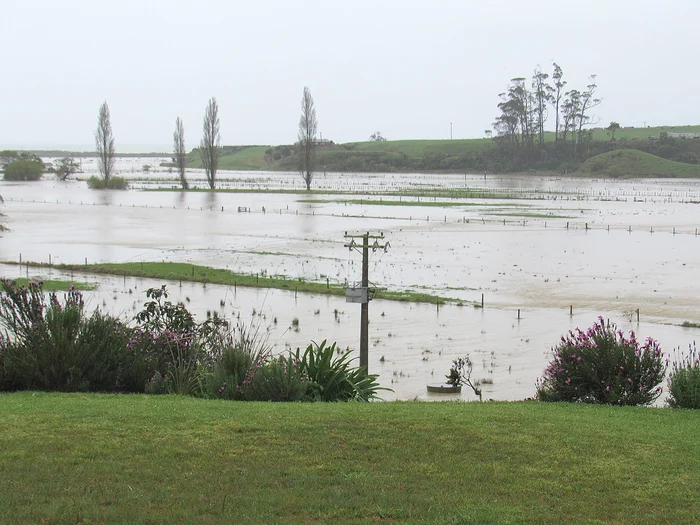
The regional council agrees the river is prone to flooding adjoining farmland.
Coastal catchments manager Charles Harley said Waiaua River was not part of the council’s river management scheme and ongoing river maintenance was generally the responsibility of adjoining landowners.
He said the council had been aware of the work being undertaken and had been liaising with landowners regarding the activity prior to work commencing.
The earthworks did not require a resource consent as they met the permitted activity rules contained within the regional council’s Natural
Resources Plan. These rules allow certain river management and maintenance activities to occur without a consent, provided a range of environmental conditions are met.
These include requirements relating to erosion control, protection of fish passage, timing of works, and management of sediment and debris.
Harley said Waiaua River had a highly mobile riverbed and was prone to changing channels during floods.
“In these environments, targeted works can help reduce erosion loss,” he said.
Although the work did not require any public notification, in the lead up, the regional council engaged with Te Whakatōhea to discuss the background to the activity, why the work was being proposed, and the relevant planning framework, he said.
Kelly felt the earthworks contrasted hugely with modern thinking about river management, which was to leave the river alone and retreat, and plant natives along the edges.
The local hapū had previously carried out native planting on the roadside of the river.