
Fragrant and flavoursome fennel
.
- Walk through many home gardens across the Eastern Bay and you’ll spot silverbeet, lettuce, broccoli and maybe rhubarb. But fennel? That still feels a little exotic to many New Zealanders, writes nutritional therapist Paula Sharp in her fortnightly column
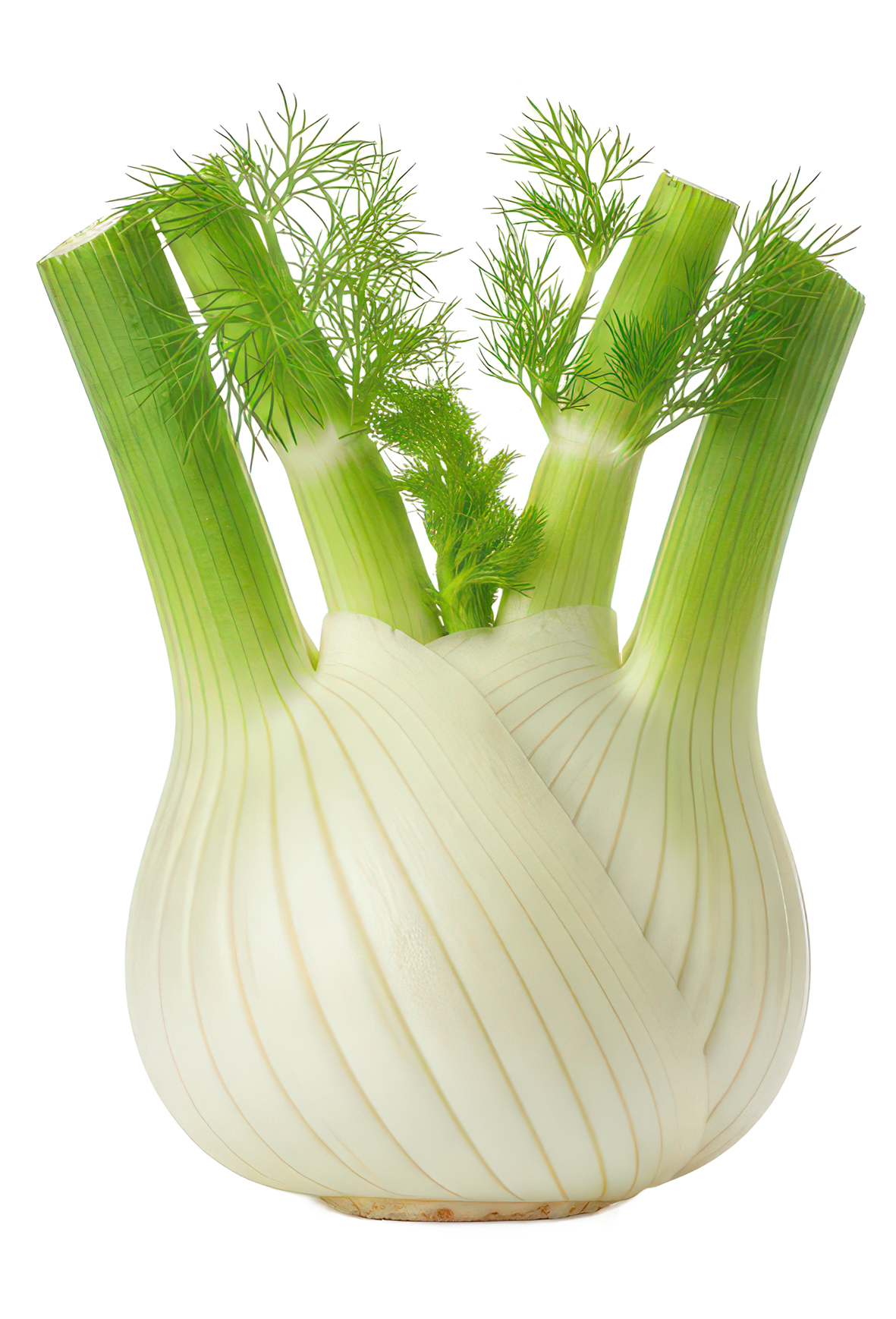
Why is that? Partly because fennel has long been associated with Mediterranean cooking, with its pale bulb, feathery fronds and subtle liquorice aroma making it seem unfamiliar beside traditional Kiwi vegetables like cabbage or pumpkin.
Some people are unsure how to cook it, while others mistakenly assume the aniseed flavour will be overpowering.
In reality, fennel is one of the most versatile, nutritious and surprisingly easy vegetables to grow locally.
Once roasted, sautéed or added to soups and salads, fennel becomes sweet, mellow and deeply comforting.
Historically, fennel has been around for thousands of years.
Ancient Egyptians and Romans used it as food and medicine. Roman soldiers reportedly ate fennel for strength and endurance, while in medieval Europe it was hung above doorways to ward off evil spirits.
Traditional herbal medicine has long used fennel to support digestion and reduce bloating.
Modern nutrition science now backs up many of those traditional uses, maybe less so the warding off of evil spirits.
Fennel is rich in vitamin C, potassium and fibre, making it excellent for digestive health and immune support. It also contains antioxidants and plant compounds that may help reduce inflammation in the body.
The natural oils within fennel can support healthy digestion after heavy meals, which is why fennel tea remains popular around the world.
If potatoes make you “‘windy”, cook them with fennel seats.
For women, particularly, fennel has historically been associated with hormonal support and soothing digestive discomfort.
Though it is not a miracle cure, it certainly deserves a place in a balanced wholefood diet.
The good news for Eastern Bay gardeners is that fennel grows exceptionally well in our climate.
Fennel prefers full sun and well-drained soil. Seeds can be sown directly into the garden from spring through summer.
The bulbs develop best when plants are kept consistently watered, especially during dry spells.
Harvest when bulbs are roughly tennis-ball sized for the sweetest flavour and best texture.
One important growing tip: avoid planting fennel too close to beans or tomatoes, as it can inhibit their growth. Give it its own little corner of the garden instead.
The fronds can also be sprinkled through salads, added to fish dishes or stirred into dressings, much like dill.
For people trying to eat more seasonally and more affordably, fennel deserves a second look.
A single bulb stretches surprisingly far in soups, roasted vegetable trays or salads. It also pairs beautifully with locally grown citrus, kūmara, apples and fresh fish.
Perhaps fennel’s “exotic” reputation simply comes down to unfamiliarity.
Previous generations in New Zealand largely cooked British-style meals where fennel rarely featured.
Now, with growing interest in gut health, Mediterranean eating and home gardening, fennel is finally beginning to step into the spotlight.
And rightly so. It is beautiful in the garden, deeply nourishing on the plate and proof that sometimes the vegetables we overlook are the ones most worth discovering.
- If you are wanting practical support to improve your health through wholefoods, seasonal eating and realistic lifestyle changes, working with a qualified nutritional therapist can help simplify the process. Paula Sharp Nutritional Therapist works with individuals and groups across the Eastern Bay, supporting people to better understand digestion, energy, hormones, inflammation and sustainable wellbeing through food and mindset.
Sometimes small, consistent changes create the biggest shifts in long-term health.

Roasted Fennel with Orange and Honey
This works beautifully alongside fish, chicken or lentils.
Ingredients:
2 fennel bulbs, sliced into wedges
1 orange, sliced
1 tablespoon coconut oil
1 teaspoon honey
Salt and pepper
Optional: walnuts or pumpkin seeds
Method: Preheat oven to 190°C. Melt coconut oil in the roasting dish as the oven heats up. Arrange fennel and orange slices in a roasting dish. Drizzle with honey.
Season lightly with salt and pepper. Roast for 30–35 minutes until caramelised and tender.
Sprinkle with walnuts or seeds before serving. Serves 4.

Creamy Fennel and Potato Soup (Dairy Free)
Ingredients:
2 fennel bulbs, chopped
2 potatoes, diced
1 onion, chopped
2 cloves garlic
1 litre vegetable stock
1 tablespoon coconut oil
Salt and pepper
Optional: squeeze of lemon
Method: Heat olive oil in a large pot. Gently cook onion, garlic and fennel for 8-10 minutes until softened. Add potatoes and stock.
Simmer for 20 minutes until vegetables are tender. Blend until smooth. Season to taste and finish with lemon if desired.
The fennel gives this soup a subtle sweetness that feels warming and comforting through the cooler months. Serves 4-6