
Opinion: Our future remains murky
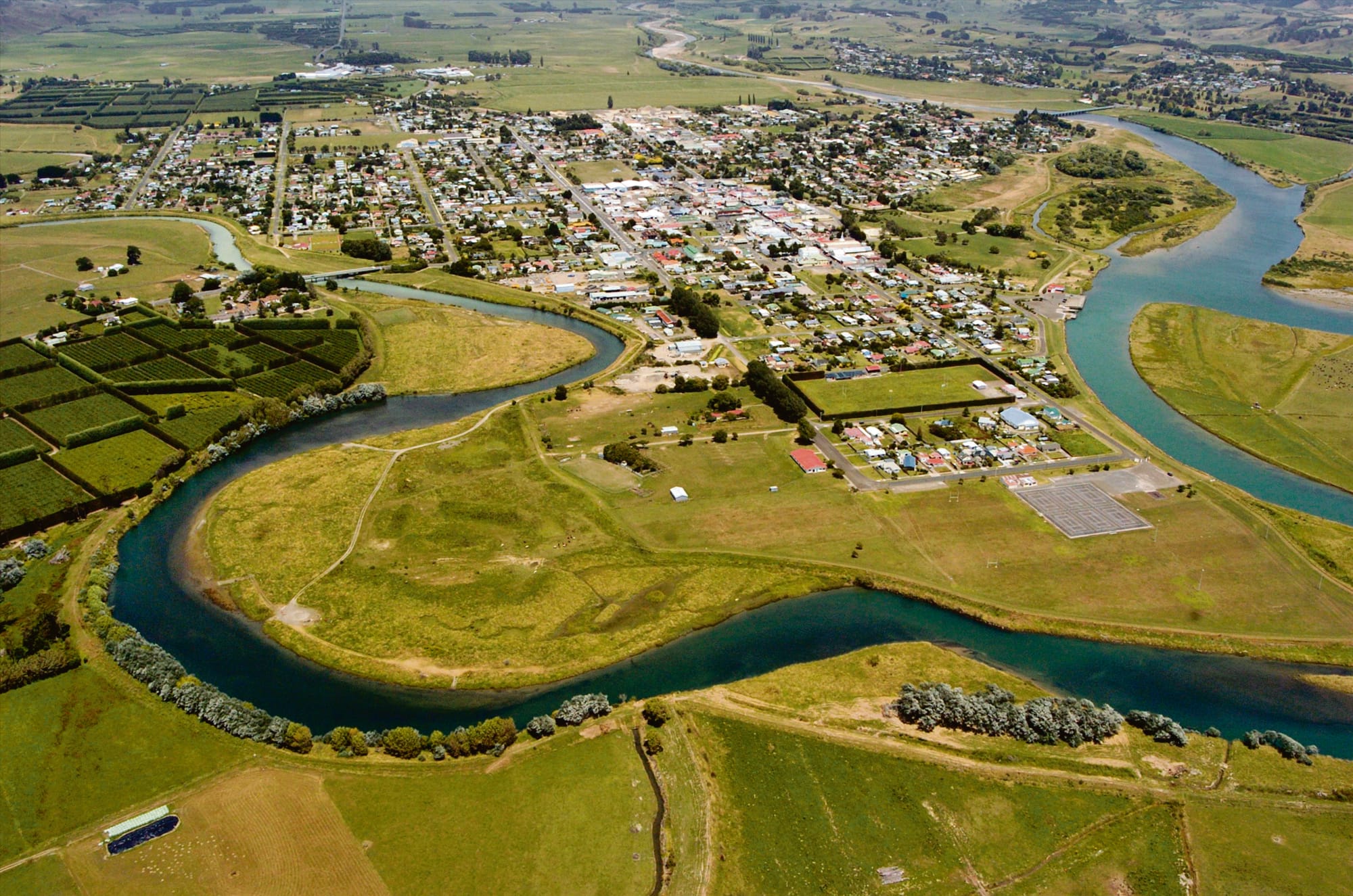
THREE MONTHS: Ōpōtiki District Council, along with other Eastern Bay councils, have a decision to make on reorganisation. File photo
.
■ Concerns grow over council restructuring, rising rates, and the financial pressure facing struggling households, writes Mike Fletcher.
This is a rates story about a cock-up, plans for reorganisation and more suffering.
Firstly, the cock-up.
Last week in the Ōpōtiki News I wrote that our council had set aside $1 million a year for the next three years for dredging the harbour.
Wrong. Wrong. Wrong.
The Bay of Plenty Regional Council will spend the money.
At this stage there is no public suggestion that Ōpōtiki ratepayers will be involved in funding harbour activities.
Which is as it should be.
In the longer term, though, we may be involved.
Central government – the latest coalition – plans to reorganise local government, merging the functions of regional councils with their city and district counterparts.
Our regional council has a stake in our harbour. It put up $20 million to help fund the redevelopment.
It employs a harbourmaster.
If the reorganisation goes ahead, these harbour management functions will be absorbed by the new grouping of councils in the Bay of Plenty.
Councils have three months in which to give views on reorganisation.
Miss the deadline, the coalition says, and a plan will be forced on the miscreants.
Yeah, right.
The reorganisation was announced last week. Already there is a wailing and a gnashing of local body teeth.
Which is to be expected.
During the last big shake-up, by Labour in 1989, the borough and county councils and drainage boards fought tooth and nail to protect their patches and their functions.
The Government says the shake-up will better manage local body functions.
Cost savings – if that is an aim of the move – have yet to be publicly outlined.
Hopefully, the reorganisation will radically cut costs and hugely lessen the burden on ratepayers.
This burden involving rates rises by massive percentages each year has reached breaking point.
The Government has talked about capping rates. But this move will not come for a year or two.
Assuming the government is re-elected in November.
The pending shake-up is also on the re-election knife-edge. A change of government would see the brakes applied, if not a “stop” notice issued, as the central lawmakers of the new coalition studied things.
In short, the future of local government is murky.
Unless our locally elected worthies harden up and authorise only essential work and limit spending to inflation.
Which is highly unlikely.
By listening to the wants of the electors they approve frivolous stuff.
Which is wrong when our economy is weak, prices are high, wages are low – and people are struggling.
If Ōpōtiki had stuck strictly to its essential knitting it is a fair bet our pending rate rise would be lower than 8.9 percent.
The small councils at least should be sticking to roads, rubbish, the Three Waters and, perhaps, the library.
Planning for land use, climate change, earthquakes, helping with the providing of jobs, the wellness of the community etc, etc is big-time stuff better handled by experts.
Hopefully, the reorganisation will reflect this thinking.
New Zealand’s population is pip-squeak.
There is an opportunity to fashion a national focus to do the best for our communities.
A hard-eye reorganisation of the local body sector could cut the number of councils and save millions, if not billions of dollars, by centralising common functions such as payroll, rates, general finance, general management, the buying of stuff, deciding the true number of staff needed to run things and the true number of elected representatives needed for decision-making.
We have the hardware – computers, communication, AI, etc, etc. . .
We lack the will.
Not lacking is a deep-seated parochial lens, which has outlived its time.
Whether folk – elected and otherwise – are prepared to swap parochialism for efficiency – remains to be seen.
Meanwhile, folk continue to struggle to pay their ever-rising rates bill.
In Northland, stories are emerging of that struggle.
Comments elsewhere generally suggest people want relief.
Ōpōtiki is not alone.