
Opinion: Evaluating the benefits of solar panels
.
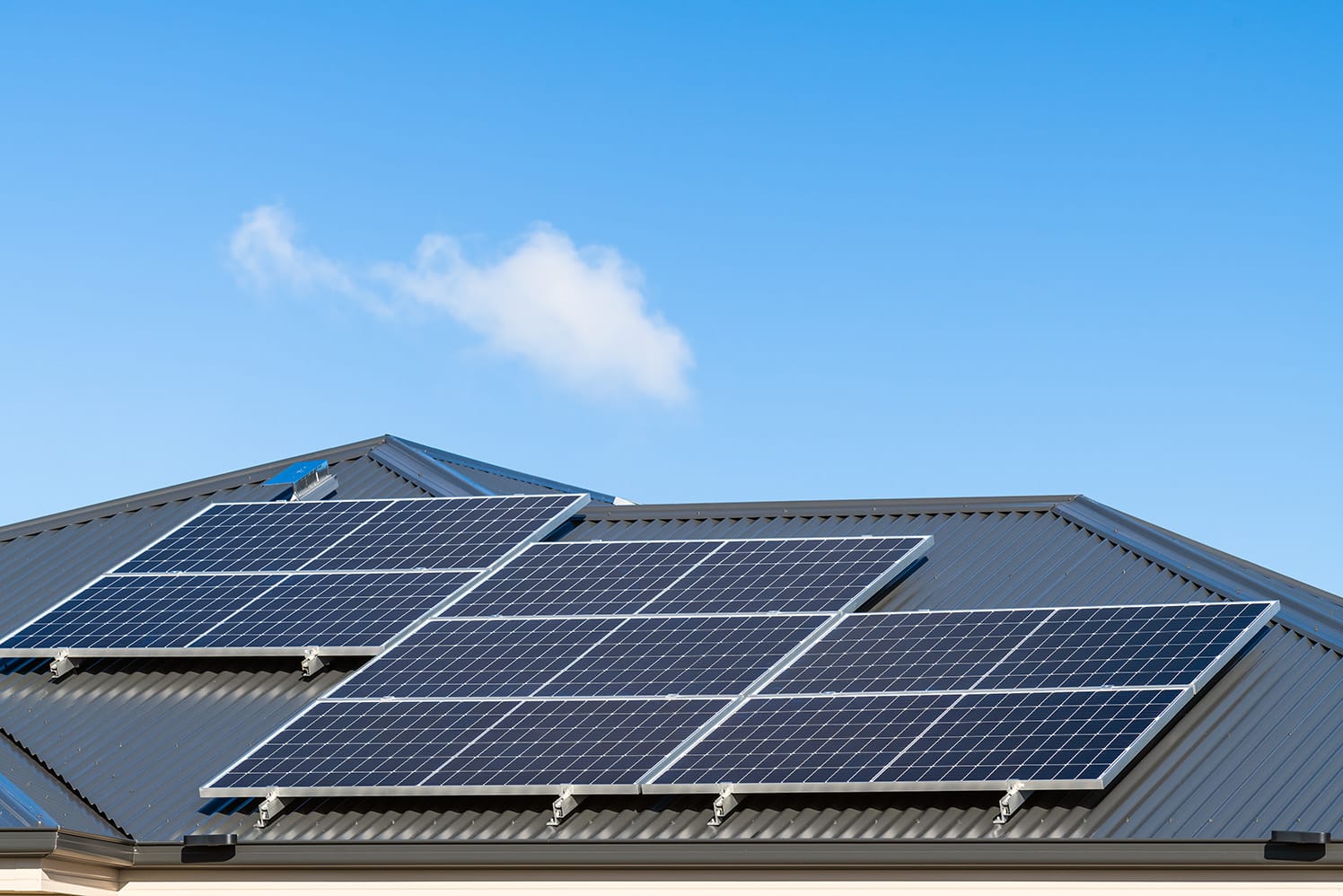
■ We put solar panels on the roof of our home to reduce the ever-increasing electricity costs, did they? For this household, yes, The clincher, so much free electric car charging. Okay, so how much was saved, asks Whakatāne resident Les Jones
The graph, pictured below, showing the electricity costs per month across the pre- solar and the solar years tells only part of the story, background is needed.
In November 2024, the electric car arrived, and home charging started. The solar panels were installed in March 2025. Note the impact of the winter months on solar generation and the impact of the 10 percent increase in electricity costs in 2025-2026.

Parking the savings for a moment, Let’s unpack the reasons why this household decided to invest in solar electricity generation.
Obviously, the high Ōhope/Whakatāne sunshine hours and the ever-increasing cost of electricity, which will stretch into the future.
I work from home, so electricity use is greatest during the day, which is when the car gets charged.
Surplus power can be sold back to the retailer and the single solar panel we put on the roof when the house was built to heat the hot water cylinder has provided hot water, on average, for five months of the year unless there are lots of visitors.
The house is not in shade and finance was available from the bank at 1 percent over three years, with a 20 percent deposit required.
On the other side of the coin, there is the cost, the lack of solar generation at night and on very cloudy dark days unless a battery is added.
Line and other charges will continue.
Homework is needed to drive the decision.
Just how much electricity was being used and its costs?
Electricity suppliers pricing plans were checked, as were peoples’ recommendations for companies that instal solar panels. The potential savings on our electricity bills was calculated and, if needed, the cost of finance was added; the approximate cost to finance the solar package being $251.78 per month.
To test the market, quotes were called for, five in all.
Only two companies came to inspect the house and to determine where best to situate the panels.
The rest relied on Google maps to the detriment of one supplier who quoted for the neighbour’s house.
Others showed panels being placed on a part of the roof that is shaded in winter. All provided statistics with the quote showing how much our electricity costs would decrease – which we compared with our data – and sources of finance.
All showed a break-even point of around seven years, despite only two suppliers asking for electricity records. Most recommended the addition of a battery.
We took the plunge. A year after the installation of the solar panels, inverter but no battery, the household has saved money, and the seven-year break-even point was close.
The lowest payment, just for electricity, was -$4.02 (February). The highest $167.29 (June).
It really highlights how much we are all paying for line charges and levies.
To the evidence.
Note: The figures show only the electricity consumed component, the lines and other charges have been excluded. Plus, the 2025-26 year saw a 10.96 percent increase in electricity price per kwh.
This skews how much was saved so the 2024-5 price per kwh has been used as a constant.
From March 2024 to March 2025, the household consumed 4923 kwh
From April 2025 to March 2026, the consumption was 3564 kwh
The difference being 1359 kwh
A 27.61 percent decrease in electricity drawn from the grid.
Over the year this translates to savings of $361.44.
Add revenue from sale of electricity to the grid of $468.60.
Total savings: $830.04.
Wait, there’s more.
Without solar the additional cost to charge the car would be approximately $502.00 (home charging is very cost effective).
If I conservatively assume that electricity prices will rise by 4 percent each year and electrical retailers will not increase the amount they pay to buy electricity from solar homes, then, it will take six years to recover the $11,000 cost of the package.
The suppliers seven-year break-even projections were very close.
Was the project worth it? Definitely. Two reasons, the partial insulation from the continual annual electricity price increases and the free charging of the car.
Out of interest, I did an AI search to see if the addition of solar panels would increase the value of the property. The result was a potential 3-5 percent uplift. But this is possibly biased as the AI drew on solar suppliers and real estate sites.
This raises another question. Rather than concentrate on time to recover the cost of installation, should the question be, how much will the capital gain on your home increase from installing solar? Time will answer that question.
Should I have included a battery? This would have added around $8000 and extended the break-even to 10 years.
Over the year with solar the household used 3564kwh and exported 4407kwh to the grid, a surplus of 843kwh.
If this went to a battery, this would deliver power in the evenings, but would be insufficient to power the household during the winter with the resultant need to draw from the grid.
Other households will have different outcomes depending on their electricity use, how they structure this electricity use and the plan they are on with their supplier.
Ultimately, should you consider solar? Household needs are all different, so do the homework.
If solar works for you, seriously consider it.