
Persimmon season
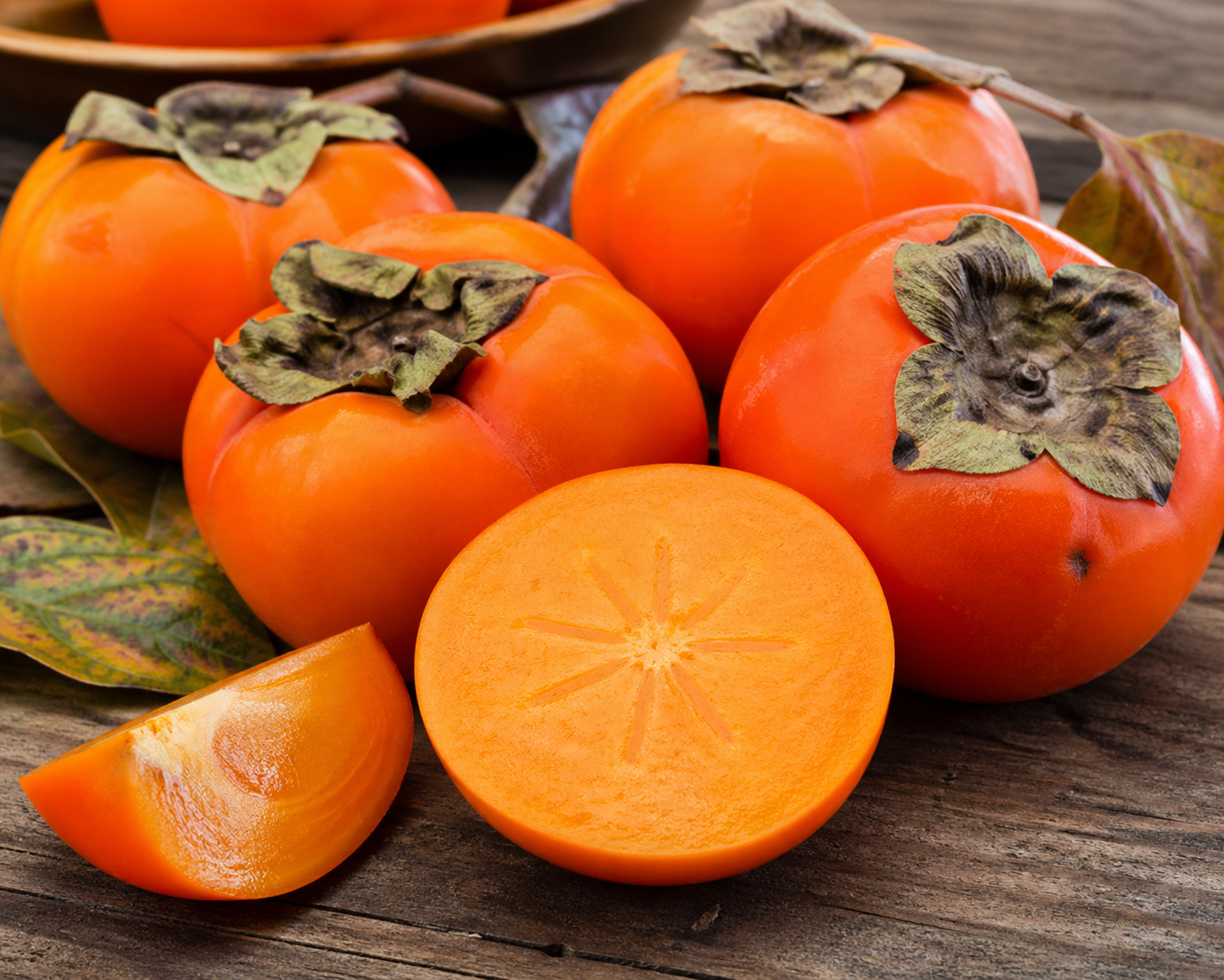
.
Paula Sharp, nutritionist
There’s something quietly luxurious about biting into a perfectly ripe persimmon. Sweet, smooth, and almost honeyed in flavour, it’s a fruit I’ve loved since I was a little girl. When we moved home to from the UK, my children took one bite and immediately declared it the “New Zealand mango” and they weren’t far off.
Persimmons trace their origins back thousands of years to China, where they were first cultivated before spreading to Japan and beyond. Often referred to as the ‘fruit of the gods’, they’ve been valued in different cultures for their flavour and their medicinal properties.
Today, persimmons grow beautifully in warm, temperate climates, making the Bay of Plenty coast ideal for their cultivation.
Persimmons are rich in fibre, making them excellent for digestive health, something I’m always encouraging clients to prioritise. They’re also high in vitamin A (supporting skin and eye health) and vitamin C (important for immunity), along wwith a range of antioxidants that help reduce inflammation in the body.
Their natural sweetness can be a helpful way to curb sugar cravings while still nourishing the body. And because they’re so satisfying, they encourage slower, mindful eating; something we could all benefit from.
Persimmon trees thrive in sunny, sheltered conditions with well-draining soil. They’re relatively low maintenance once established, making them a rewarding addition to a home garden or orchard.
In my garden, I’m also experimenting with espaliering my young persimmon tree. In the Bay of Plenty, the climate provides an excellent balance of warmth and seasonal variation. Trees typically fruit in late autumn, offering a burst of colour and nutrition as we move into the cooler months.
There are two main types: astringent (which need to fully soften before eating) and non-astringent (which can be eaten while still firm). Knowing which variety, you have is key; bite into an unripe astringent persimmon, and you’ll understand the meaning of mouth-puckering!
Persimmons are one of those fruits that invite us to slow down and enjoy what’s in season.
They don’t rush, and neither should we. Whether you’re growing your own or picking them up from a local market, they’re a top reminder of the richness available right here in our region.
And if you’ve never tried one before? Take it from my children, this “New Zealand mango” might just become a new favourite.
- If you enjoy simple, grounded nutrition insights like this, you’re warmly invited to join Sharp Bite, my weekly newsletter. It’s a quick, nourishing read with practical tips, seasonal inspiration, and realistic ways to support your health, without the overwhelm. https://preview.mailerlite.io/forms/114086/163386093340722476/share
Bringing persimmons to the table
Beyond eating them fresh, persimmons are incredibly versatile. Here are two easy and satisfying ways to incorporate them.
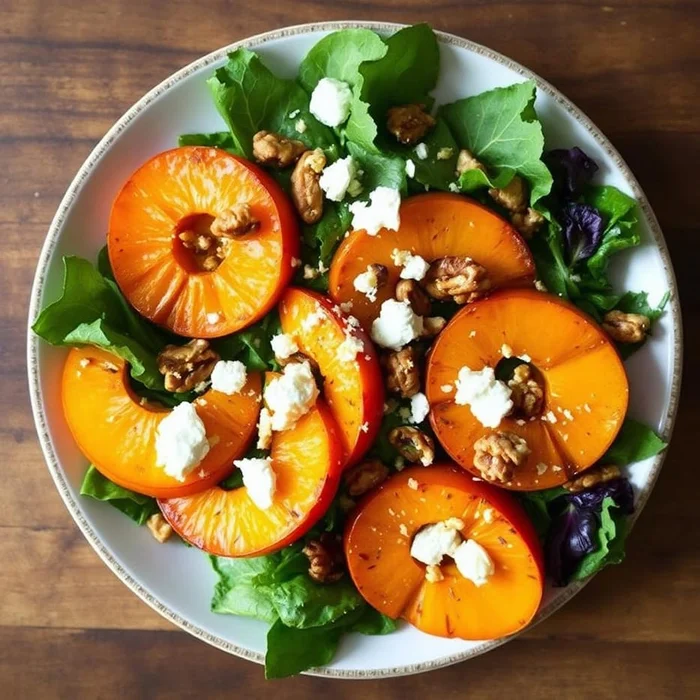
Roasted Persimmon & Autumn Salad
(Serves 2–3)
Ingredients
2 firm persimmons, sliced
1 tbsp coconut oil
Mixed salad greens
¼ cup toasted walnuts
50g feta cheese (optional)
Method
Dressing: combine olive oil, lemon juice, a drizzle of honey, pinch of salt
Lightly roast the persimmon slices at 180°C for 15-20 minutes until just softened. Toss through salad greens with walnuts and feta, then drizzle with dressing. The combination of warm, sweet persimmon with crunchy and savoury elements is a standout.
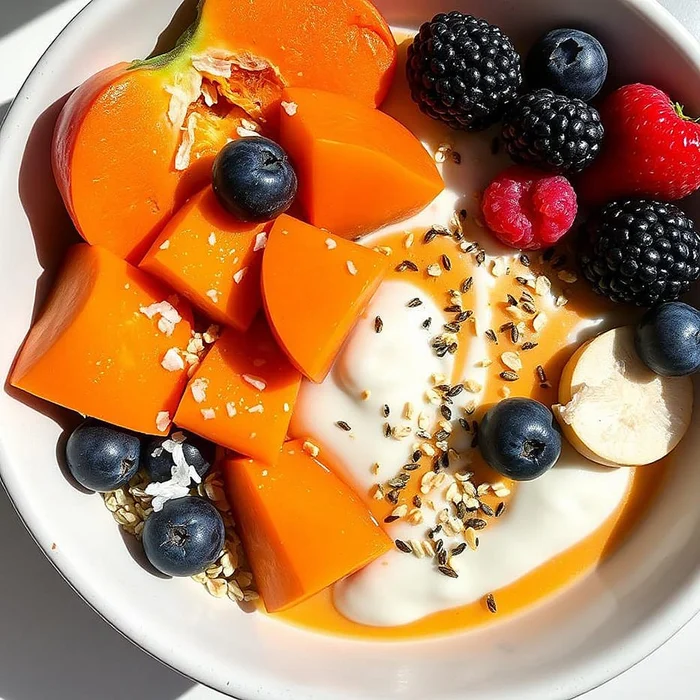
Persimmon & Coconut Bowl
(Serves 2)
Ingredients
2 ripe persimmons, scooped
out
½ cup natural yoghurt (or
coconut yoghurt)
¼ cup rolled oats (soaked
overnight if preferred)
1 tbsp ground chia seeds
1 tbsp shredded coconut
A handful of berries or sliced
banana
Method
Blend one persimmon with the yoghurt until smooth. Pour into a bowl and top with oats, chia seeds, coconut, fruit, and slices of the remaining persimmon. Naturally sweet and fibre-rich. Great as a breakfast or snack.