
Opinion: Have your say on new fisheries bill
.
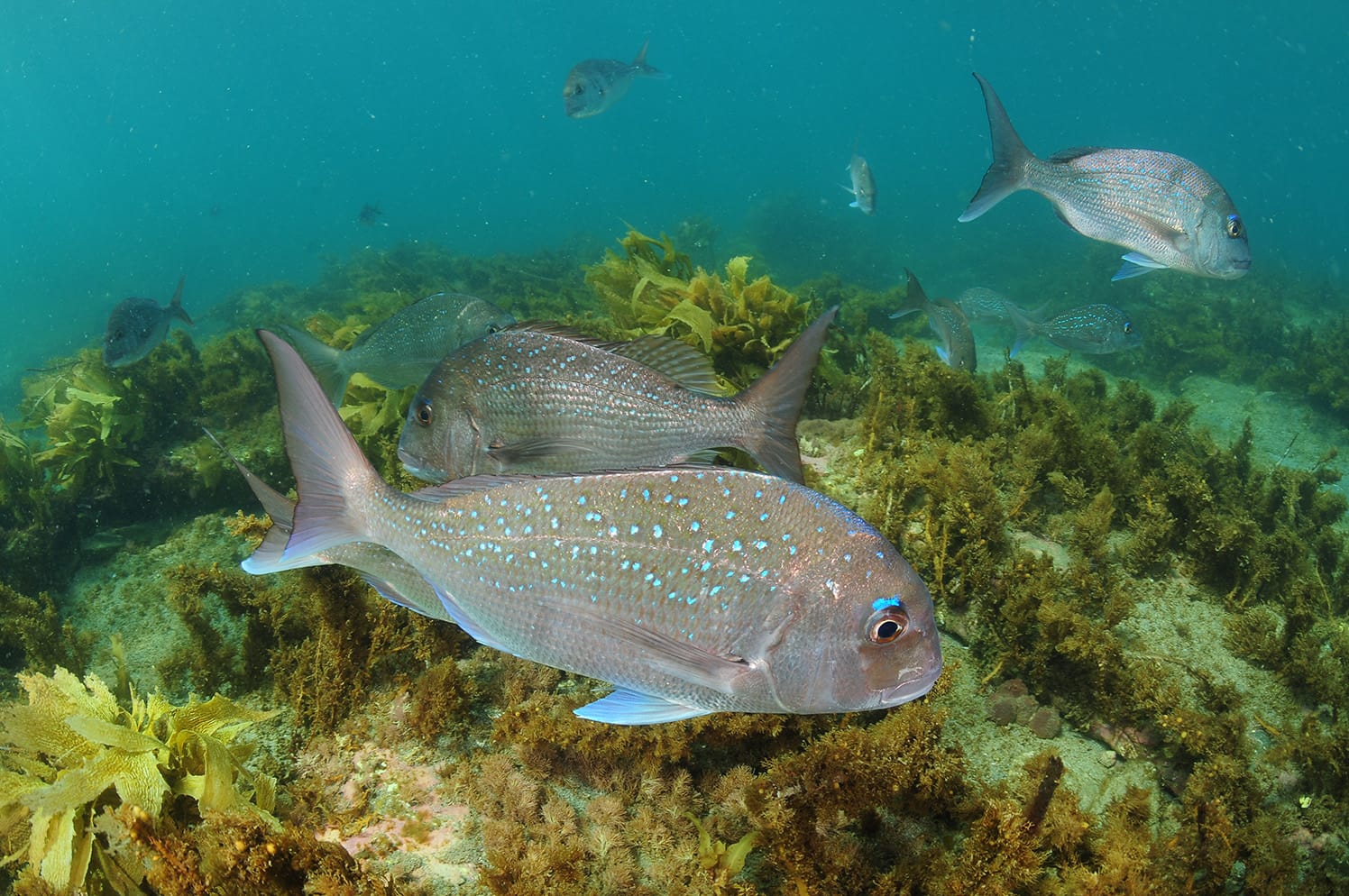
■ Most people heard about the Fisheries Amendment Bill when the Government tried to push through a clause allowing commercial fishers to catch and sell undersized snapper and tarakihi. There was a public uproar, and the clause was dropped. The minister called his critics “noisy voices”. He eventually had to listen to them. But here is what worries me: that was just one clause in a much larger bill. The rest of it is still there, still heading toward law, and too many people have no idea what it contains writes Bay of Plenty Kōhi Māori ward councillor Dr Mawera Karetai
This weekend I have submitted to the Primary Production Select Committee, opposing the bill in its entirety.
As someone who works in environmental research, I think it is important to explain in plain terms what this legislation actually does.
Right now, commercial operators are required to land what they catch. That creates an incentive to fish carefully and avoid taking species or sizes they cannot sell.
The bill would remove that requirement. Once discarding is legal, operators can keep only the most profitable fish and throw the rest overboard, dead.
Fisheries scientists call this high-grading, and they warn it will make it almost impossible to accurately track how many fish are actually being removed from the ocean. The data that underpins our entire quota system will be corrupted.
The bill also proposes to move from annual to five-year reviews of catch limits. But fish populations change from year to year.
A five-year review cycle means a struggling stock could be fished at the wrong level for four extra years before anyone is required to act. That is not modernisation. That is negligence dressed up in bureaucratic language.
The environmental stakes of this bill extend well beyond fish populations alone. Marine ecosystems are finely balanced systems in which fish species play structural roles as predators, prey, and nutrient cyclers.
When key species such as snapper are harvested below reproductive age and at inflated volumes, the cascading effects ripple through the food web, affecting seabird populations, marine mammals, invertebrates, and the reef and benthic habitats that depend on healthy fish communities to function; we have seen this with the kina barrens in the Bay of Plenty, Hauraki and Northland coastlines.
The legalisation of discarding compounds this damage directly: undersized fish, non-target species, and bycatch including seabirds, dolphins, and fur seals that enter trawl nets are killed regardless of whether they are landed or thrown overboard.
Restricting catch limit reviews to five-year cycles means these pressures can accumulate largely unchecked for extended periods.
New Zealand’s coastal and offshore marine environments are already under stress from warming sea temperatures, ocean acidification, sedimentation, and historical fishing pressure.
Layering further extractive and accountability-weakening measures on top of that existing stress, at this point in time, risks pushing some ecosystems past recovery thresholds that, once crossed, cannot be reversed.
Then there is the accountability problem. The bill would block public access to on-vessel camera footage under the Official Information Act, and fine anyone up to $50,000 for leaking it.
Cameras on boats are one of the only independent ways we have of checking whether the rules are being followed. Making that footage secret does not protect any legitimate interest. It protects operators who do not want to be caught.
Finally, the bill would make it harder to challenge fisheries decisions in court. When government ministers make decisions that affect a shared public resource, the ability to seek judicial review is not a nuisance.
It is a fundamental democratic safeguard. Taken together, these are not technical tweaks to an outdated system. They are a set of interlocking changes that make it easier to take more fish, harder to know how many are being taken, and nearly impossible to hold anyone accountable when things go wrong.
The fish in our oceans do not belong to the commercial fishing industry. They belong to all of us, including those who come after us. The Fisheries Act says as much. This bill undermines that principle at almost every turn.
The Select Committee is now calling for public submissions. If you fish, if you swim, if you care about the coastline on your doorstep, I urge you to make one. The bill passed its first reading. It is not too late to have your say.
Have your say on the changes to the Fisheries Act - New Zealand Parliament https://share.google/91q39yhmxo1PMstjb
Submissions close at 11.59pm on April 29.