
Council braces for strong reaction to boat ramp fees
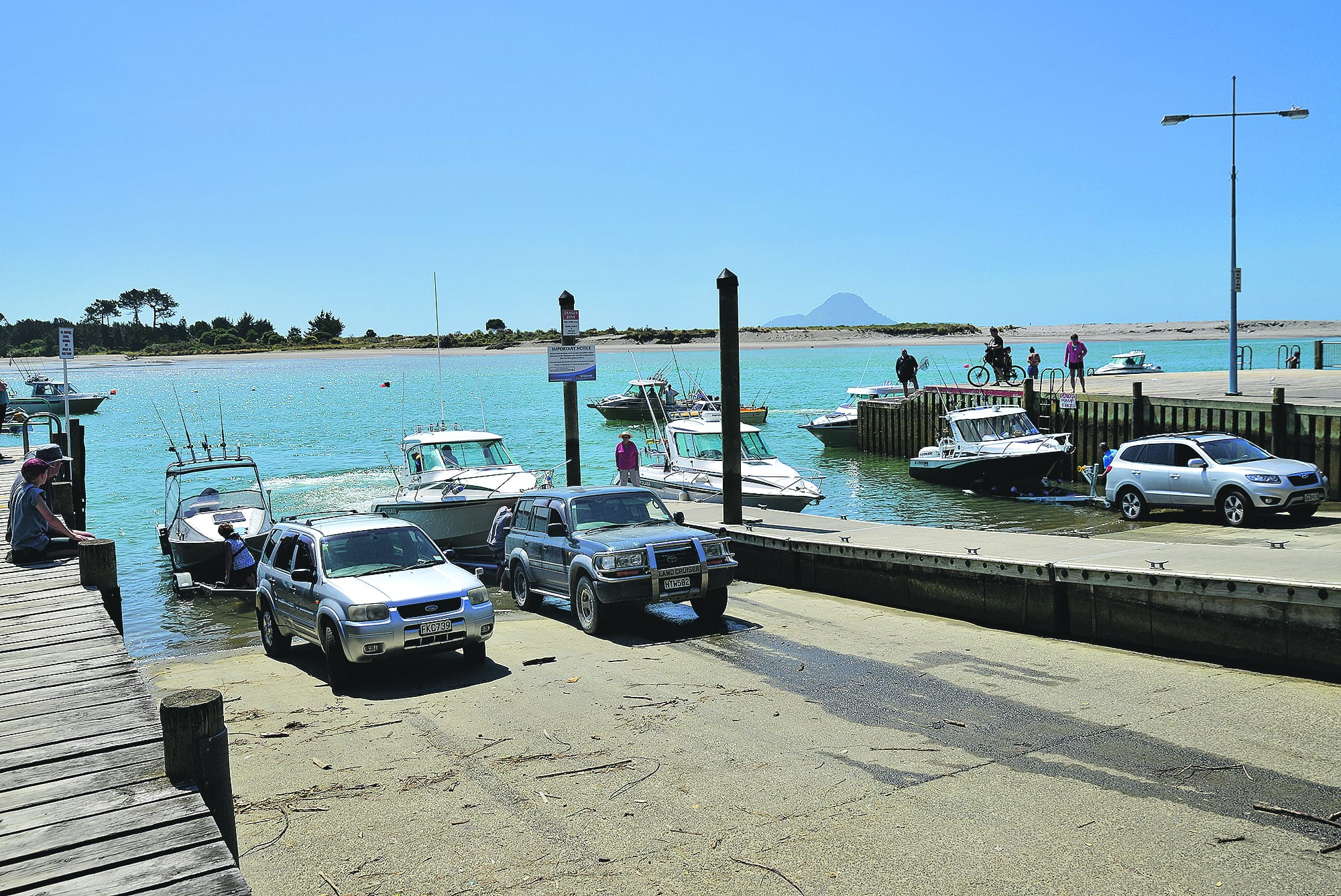
Ramp costs: Visitors to the district could soon have to pay to use Whakatāne boat ramp. Beacon file photo
Diane McCarthy
Whakatāne District Council is considering charging visitors up to $20 a day to use the district’s boat ramps while residents pay an annual charge.
The charge is one of 28 new fees and charges recommended to councillors at a briefing on Wednesday.
Swimming pool entry, family-led cremations and dog charges are also in the spotlight as the council looks at a more user-pays fee structure.
The proposed schedule is due to be approved for public consultation at a meeting on April 16.
It aims to better reflect the cost of providing the services, which would otherwise be funded by ratepayers, who don’t all use them.
Currently, fees and charges account for 7.8 percent of the council’s income, while rates account for 71.5 percent. The remainder comes from grants, subsidies, and development and financial contributions.
Chief executive Steven Perdia said he felt 7.8 percent was very low.
“In my mind, it should probably sit between 12 and 15 percent of your revenue.”
The 28 charges include a mix of new services, fees for existing services not currently charged for, and some to discourage bad behaviour.
A further 32 charges, for which proposed increases are higher than inflation rates, were also highlighted.
Staff warned councillors they anticipated strong public opinions about some of the proposed new charges.
These include charging visitors to the district $20 a day for using the Whakatāne boat ramp and $10 for Ōhiwa and Thornton boat ramps.
Under the scheme, district residents would need to pay a one-off $20 administration fee to register up to two vehicles to use the boat ramps and parking area.
Ports manager Mark Read said the boat ramps required capital and operating expenditure to keep maintained, including daily cleaning.
An unauthorised berthage fee of $220 was also suggested.
Mr Read said this fee was intended as a deterrent for vessels that berthed on loading zones, including refuelling zones without permission, causing a nuisance to other users.
A reduced registration fee for working dogs has been suggested, and the definition of working dogs to be changed to include hunting dogs.
This would significantly reduce the cost of registering these dogs, from $68.50 to $40, and aims to encourage more people to register their dogs.
A dog seizure fee of $70 is also suggested.
It is proposed to increase the Whakatāne Aquatic Centre admission for students and senior citizens from $3.50 to $5, along with a new 30 cent energy surcharge.
Although the centre has solar panels that greatly reduce electricity costs, this is not covering the costs.
Councillors asked to remove the suggested new admission charge to the Murupara Pool, which is free to users.
They felt this would create hardship for a community remote from other services and would likely cost the council more to implement than it would make.
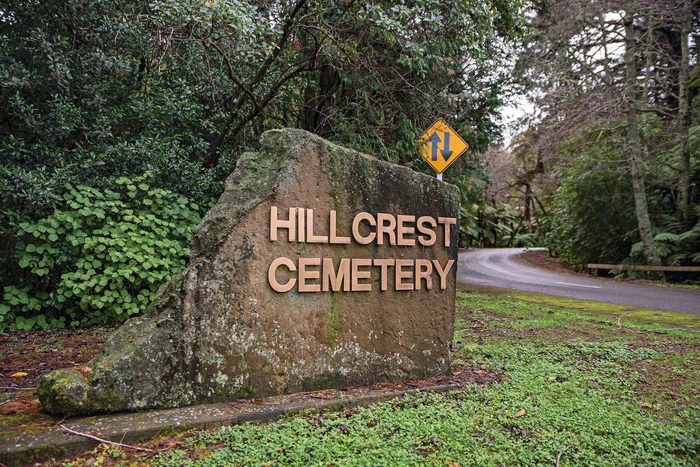
Increased numbers of families wanting to take charge of funerals rather than hiring a funeral director is behind two new cemetery and crematorium fees.
Family-led cremations and families wanting to back-fill burials themselves has added to council staff time spent assisting families and tidying up after funerals.
An administration fee of $500 for family-led cremations and $250 for self-backfilled burials has been suggested.
An oversized casket fee of $250 is also suggested as larger caskets can sometimes double the cremation time.
Proposed new roading charges include a $500 charge for developers or event organisers who don’t get their applications for road closures submitted on time.
Transport manager Ann-Elise Reynolds said there were specified time frames for when those applications were supposed to be in, and when these were not met, it created a cost for the council.
“We’re getting increasing amounts of applicants not putting in applications when they should – sometimes quite high-profile events – so it requires the team to drop everything and just focus on processing that application.”
There is also a proposed $1000 road damage bond for developers with a larger amount required for larger developments.
Significant changes have also been made to fees for water supply, including installation of new water meters.
This is because of new Local Water Done Well requirements and does not include water rates, which are charged separately.
Other suggested new fees are around administrating new granny flat legislation, and changes to how library meeting rooms, community halls and parks and reserve hire fees are charged.