
Business culture has two phases
.
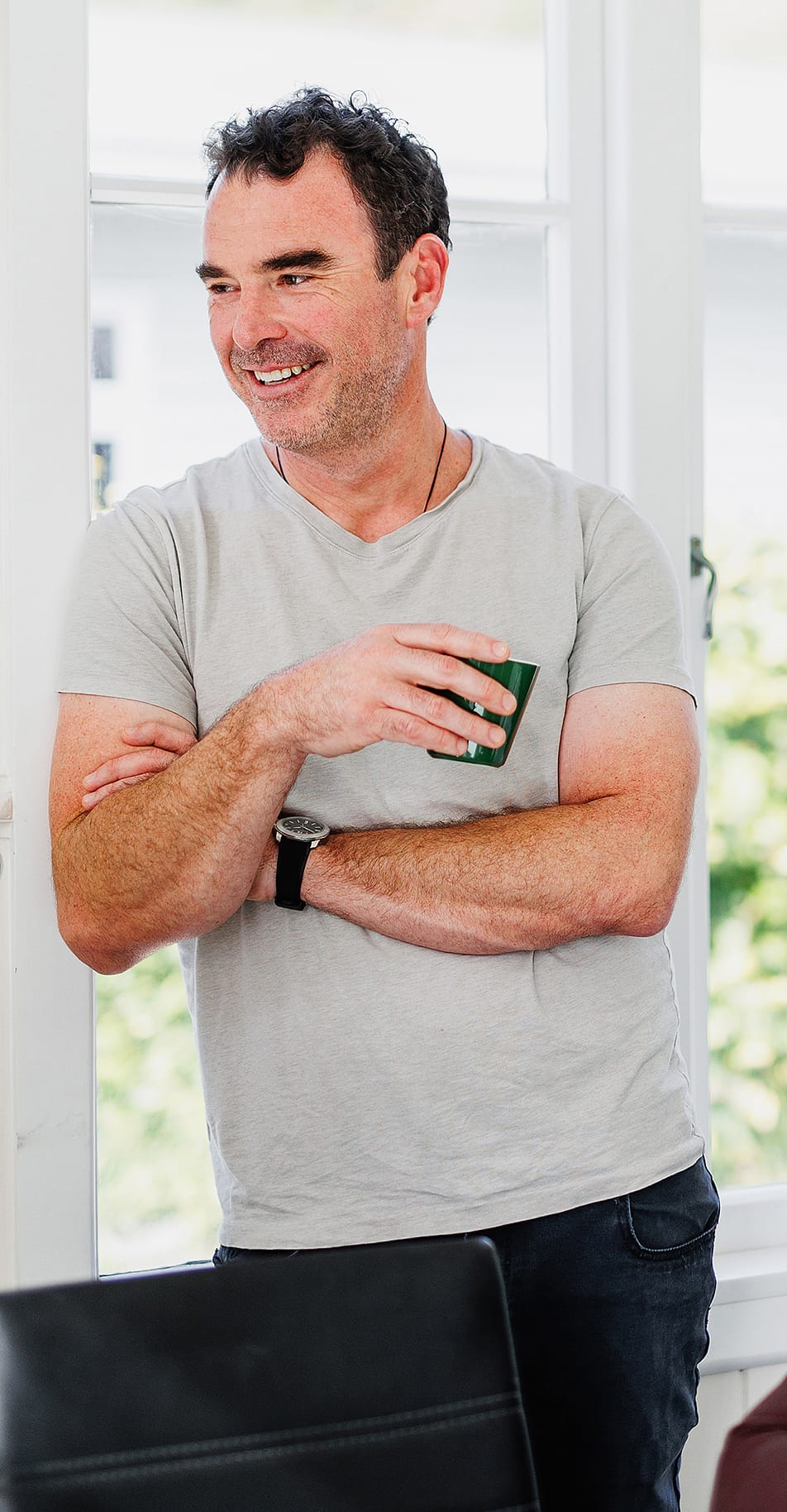
■ A fortnightly business advice column by Whakatāne accountant and business adviser, Jason Lougher
Culture is one of those business topics that sounds vague until you see the impact it has on a company. It rarely shows up in the financial statements, yet it quietly shapes almost every outcome a business produces.
But culture tends to appear in two very different stages of business.
The first stage happens when you are building a business from scratch.
The second happens when you already have a business and realise the culture you have is not the one you want.
Those two situations require very different approaches.
When a business is just starting out, culture is simple. Usually there are only a handful of people involved.
Everyone knows why the business exists because they were there at the beginning. Decisions are quick, communication is direct, and people naturally adapt to whatever the founder expects.
In those early stages, culture is mostly invisible. It is simply the behaviour of the people in the room.
The challenge is that founders often assume this will continue as the business grows.
It rarely does.
As more people join the team, something subtle begins to change. New employees were not present when the business started. They did not see the early struggles or hear the conversations that shaped the direction of the company.
What felt obvious to the founder becomes less obvious to everyone else.
At that point culture stops being automatic. It starts needing structure.
Small habits that were once informal suddenly matter more. How decisions are made. How disagreements are handled. How mistakes are treated. Whether people feel comfortable speaking up or not.
These things quietly become the operating system of the business.
One useful way to think about culture in a growing company is through simple decision clarity.
Many scaling organisations adopt a principle that sounds basic but works remarkably well: debate, decide, commit.
In the debate stage people challenge ideas and bring different perspectives.
Once a decision has been made, however, the team moves to commitment. Even if someone disagreed during the debate, the expectation is that everyone supports the decision and moves forward together.
Without that clarity, growing businesses often fall into a pattern where the same decisions get re-discussed repeatedly. That slows momentum and creates uncertainty inside teams.
The first stage of culture, then, is about intentional design while the business is growing.
The second stage is very different.
It happens when a business has already been operating for some time and the culture that has developed is no longer helping the organisation move forward.
This is a situation many established businesses quietly face.
Perhaps the company has grown but decision making is slow. Maybe people avoid difficult conversations. Sometimes teams become comfortable but performance begins to plateau.
In other cases the culture simply reflects habits that formed years earlier when the business looked very different.
Changing culture at that point is harder than building it in the first place.
You are not creating something new; you are shifting patterns that people have become used to.
Often the change begins with expectations. Businesses that want to evolve their culture usually need to become clearer about what good performance actually looks like.
That includes how feedback is given, how accountability works, and how leaders model behaviour.
A common transition businesses go through is moving from what might be described as a “kind culture” to a culture that balances care with accountability.
In many New Zealand workplaces people are naturally supportive of each other. That is a strength. But sometimes it also means difficult conversations are avoided and expectations remain unclear.
Strong cultures usually combine both elements. People care about one another, but they also expect each other to do their best work.
Another lever for cultural change is hiring. Businesses that are trying to evolve often benefit from bringing in people who add new perspectives rather than simply fitting the existing environment.
Over time those new perspectives can shift how problems are approached and how decisions are made.
For business owners, the key lesson is that culture is not something you deal with once and then forget about. It changes as the business grows, and it occasionally needs deliberate adjustment when the organisation reaches a new stage.
If you are building a business, the opportunity is to shape culture early before habits become fixed.
If you already have a business and the culture feels stuck, the opportunity is to reset expectations and gradually shift the patterns that people follow every day.
In both cases, culture compounds.
Small behaviours become routines. Routines become norms. And those norms eventually define how the business operates.
The businesses that recognise this early tend to build something much stronger over time. Not just a company that grows, but a company where people understand how decisions are made, what standards matter, and how they work together.
That clarity is often one of the quiet advantages that keeps a business moving forward.
■ Jason Lougher is the owner of Calc Business Advisors & Chartered Accountants. Our team advise businesses throughout the Eastern Bay of Plenty — and across New Zealand. Like this article or want to chat? Feel free to send me an email: [email protected]