
Fuel price increases hit transport industry
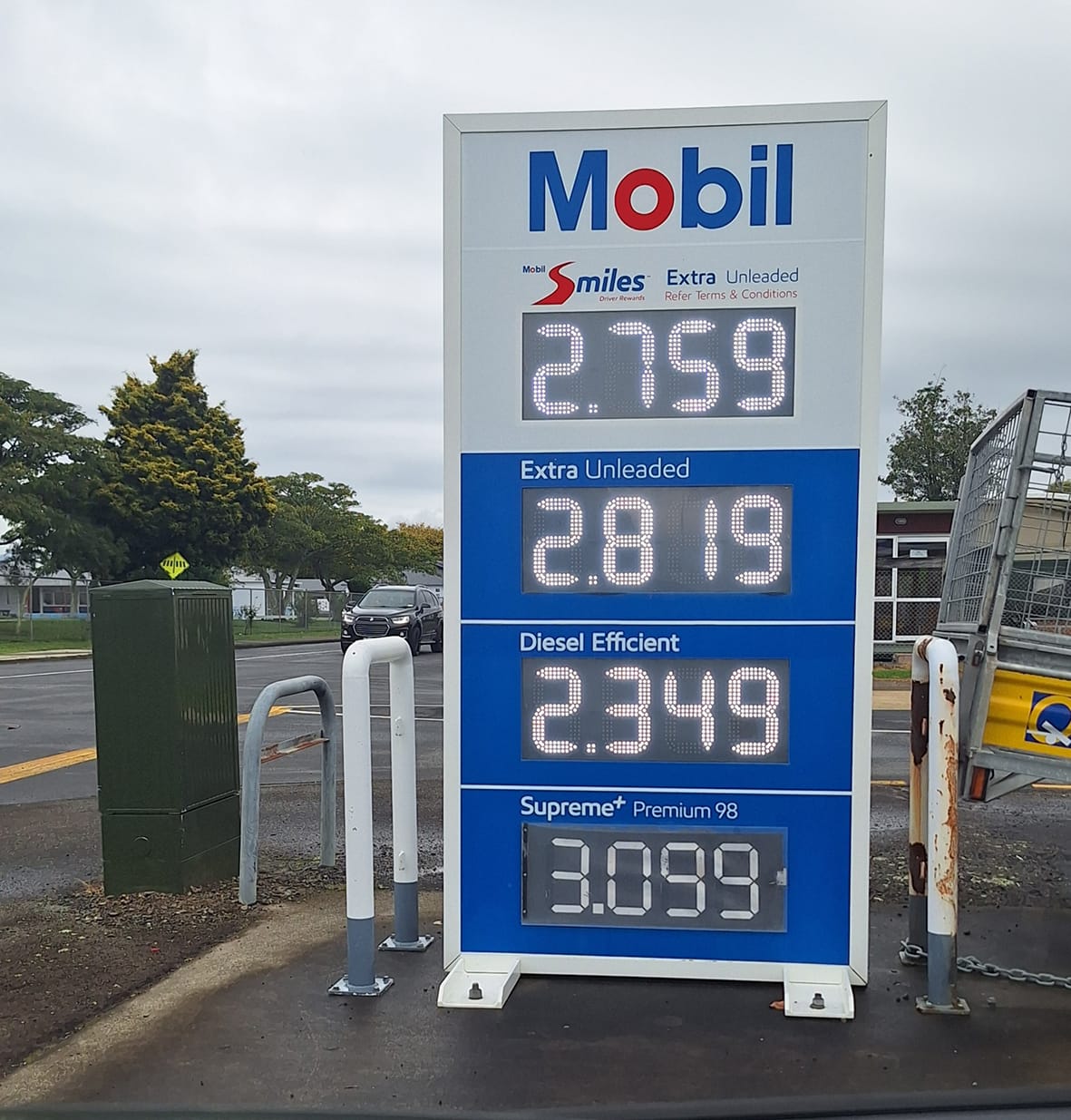
UP THEY GO: Fuel prices spike at the pump. Photo Rufus Dempsey E5907-01
.
Tensions between the United States, Israel and Iran have exploded over the past few weeks with bombing campaigns, drone strikes and missile launches enveloping the Middle East.
The instability has caused a spike in the cost of crude oil worldwide as the flow of tankers from the area slows or comes to a standstill while insurance companies assess the developing situation around the Strait of Hormuz, a narrow passage through which about one-fifth of the world’s oil normally flows.
Finance Minister Nicola Willis said New Zealand’s fuel supply remained secure despite the spike in global oil prices, urging motorists not to panic buy. “New Zealanders should be reassured that there is fuel on the way and supply remains secure,” she said.
Leader of the Opposition Chris Hipkins was quick to highlight the effects this price increase would have on the cost of living and alluded to the Labour government’s response in 2022 to cut fuel taxes.
“When global fuel prices surged previously, we acted to provide relief at the pump,” he said.
However, at a press conference on Monday, Ms Willis suggested the Government would be looking at a more “targeted” approach to the cost of living challenges that did not drive inflation higher.
For Ōpōtiki’ s kiwifruit industry, however, the timing of this could not be worse, as the picking season begins for a bumper crop, the increase to the cost of diesel hits harder due to the region’s proximity to the port of Tauranga.
Zespri chairman Nathan Flowerday recently said the industry was watching global disruptions closely:
“The industry is monitoring the situation closely… including assessing the impact on foreign exchange, oil prices, and market risks, so that we act to protect grower value.”
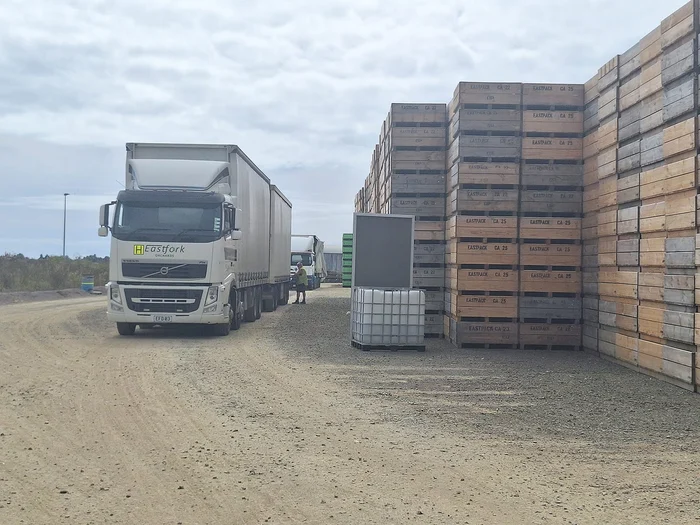
Although busy with the seasonal processing, Eastpack Ōpōtiki regional orchard manager Robin Dhall is also acutely aware of the increased costs likely to be incurred
“We have not heard a lot from our contractors, but we know it is increasing the cost of transport, and we are aware of it.” he said.
One such contractor, Robert Monk Transport, has already started shipping kiwifruit to and from Gisborne and Tauranga, and estimates the general cost increase could be high even if prices remained stable.
“If the cost of diesel stays where it is currently, we will see about a 22 percent increase in freight costs from last year. We haven’t increased our service running costs in several years as we want to stay competitive for our customers, but our pricing has had a fuel adjustment factor built in for many years and this affects the price for transport based on the cost of fuel. We have had many emails from clients concerned about this but all understanding the reality of the issue.
“The fuel adjustment factor is purely for us to recover our costs in an industry with very tight margins and multiple variables.
“For instance, last year at one point we had the Waimana and Ōhope roads closed at the same time, there are also delays to and from Gisborne still which can be the last thing you want when transporting export-quality fruit.
“It has been a tough year for the industry here, but we do what we can to keep our costs down as we want our customers to survive and do well,” Mr Monk said.
In Ōpōtiki, the non-discounted cost of a litre of 91 petrol on Monday was $2.889 a litre at Caltex, $2.989 at Gull and cheapest at the Mobil on Church Street at $2.819. Mobil also had the cheapest price for diesel at $2.349.
By noon yesterday, these prices had increased across the board to more than $3 a litre for 91, with Gull the lowest at $3.039 for 91 and $2.729 for diesel. The price at Caltex was up to $3.099 and at Mobil it was $3.139.