
Bylaw changes - have your say

Diane McCarthy
■ Should there be a two-dog limit on urban households? Should dogs be allowed to run off-leash on the district’s most popular beach? Should alcohol be banned in our CBD streets 24/7? Should there be a bylaw for farmers moving stock across rural roads? These are just some of the issues Whakatāne District Council will be seeking community feedback on in April as it reviews five district bylaws and considers introducing another. Local democracy reporter Diane McCarthy outlines the proposals
Whakatāne District Council held a briefing on Wednesday to guide staff in finalising drafts of five bylaws under revision and a new draft Stock Movements Bylaw, along with consultation questions to go out to the community.
Bylaws for beaches, dog control, animal control, ports and wharves and alcohol control have been reviewed, with some changes suggested by staff.
This was the second briefing on the bylaw changes but the first since the election and was a chance for new councillors to become familiar with the proposed changes. There was plenty of discussion, with varying views expressed.
Mayor Nandor Tanczos said the best time for “thrashing out the details” of the bylaws would come after hearing some of the feedback from the community.
The draft Dog Control Bylaw sparked strong discussion.
Staff are proposing to introduce a limit of two dogs per urban property. This aims to reduce the risk of dog attacks and intimidation, noise and nuisance, welfare issues and strays.
Councillors Gavin Dennis, Jesse Morgan-Ranui and Tu O’Brien were concerned about how this bylaw would affect people who lived in town and kept dogs for hunting.
“A big proportion of our people have a lot of hunting dogs ... anywhere from three to 10 dogs.
“A lot of pack owners properly house and look after their dogs – we do have, however, the odd few who around who spoil it for the rest.”
The councillors were told people wanting more than two dogs, such as hunters, breeders or foster carers, could apply for permits to do so.
Although not yet included in the draft bylaw, staff are also seeking community input on whether dogs should be permitted in the CBD at all times on a leash.
Currently, they are prohibited between 9am and 5pm seven days a week.
Another change they will seek is the prohibition of dogs on Ōhope Beach between West End and the Whakatāne Surf Lifesaving Club between 9am and 5pm during the peak summer season of December 20 to February 28.
Deputy mayor Julie Jukes said, as
a shop owner, she felt the CBD restrictions worked perfectly well as they were.
She does not want dogs in the CBD, “because of the damage they do to your property that is out on the street”.
“However, I’m happy for that to go out for consultation because that’s my personal view, it might not be everybody else’s.”
Councillor Andrew Iles commented that there are dogs in the CBD every day of the week. “Some businesses actually cater to dogs. They have water bowls. It obviously hasn’t been enforced.”
Ms Jukes also questioned where the idea had come from for the restrictions at Ōhope Beach.
“Have we had complaints about dogs in that busy period? I’ve continually walked dogs there during that busy period and most of the people on the beach are dog walkers. There’s so few dog walking areas, and that’s the most popular spot.”
Community regulation manager Nancy Elliot said there had been incidents over the past summer, though not necessarily reported to the council.
“And as you know, we’re having a bit of a national crisis in terms of dog behaviours,” she said.
“We thought it would be a good idea to consult on whether those dogs should be allowed on the beach, specifically without being on lead ... It is a very busy beach and there are also children.
“Not everyone loves dogs bounding up to them.”

Alcohol Control Bylaw
This regulates alcohol use in certain public areas and changes have been drafted to replace current restrictions with a consistent nightly ban all year from 9pm to 7am.
Alcohol control areas include streets in central business district areas, beaches, reserves, parks, boat ramps and jetties.
Currently alcohol is prohibited in these areas from 12 noon Thursdays to 3am Monday on a permanent basis.
Over the Christmas and New Year period it is also prohibited between midday on Christmas Eve to midday on Boxing Day, and from midday on New Year’s Eve to 3am on New Year’s Day.
The new draft restrictions are to provide clarity to communities and practicality for appropriate signage.
Police have also requested that the public carpark in front of Ōhope Beach Tavern be included in the alcohol control area to deter drinking after closing hours.
Councillor Gavin Dennis asked whether a 24/7 blanket ban would give police the discretion to prevent people causing disruption by drinking in public in the morning.
He has heard complaints from the public that there have been issues around some homeless people drinking outside public toilets early in the morning.
It was decided to put the question out to the community, with options for either a 24/7 ban, the proposed change, or sticking with the current bylaw.
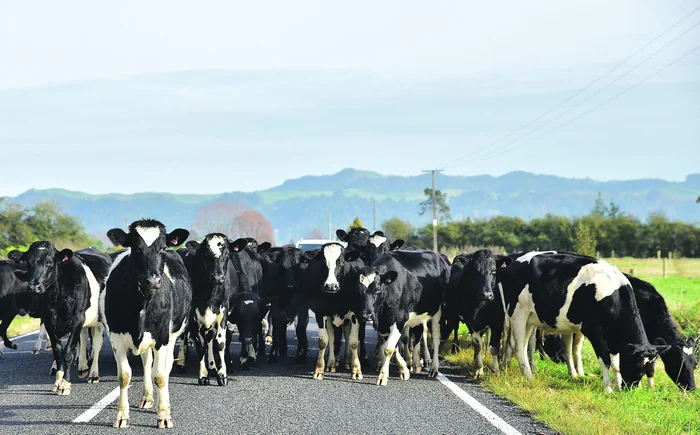
Stock Movement Bylaw
Several of the district’s farmers have stock grazing areas either side of rural roads and must move stock across roads regularly.
The proposed new bylaw would introduce stock movement permits and cover prohibiting stock on roads during the hours of darkness, stock underpasses, inspections, and recovery costs for damage of roads.
The need for the bylaw has arisen from issues with stock on the road in Waimana.
“We worked with them around ways they could minimise the mud, licences to occupy and improving their stock crossings,” said transport manager Ann-Elise Reynolds.
Councillor Andrew Iles raised the issue that stock being prohibited from roads during the hours of darkness would impact dairy farmers moving stock across roads for milking.
“That would be one of about 12 farmers in Waimana alone and if you go out to Galatea, Murupara and beyond, it’s an even a bigger issue.”
Staff responded that this would become part of their permit application and council staff could talk to them about how they could do this safely for themselves and other road users.
The bylaw would manage how the activities could be carried out to minimise damage to the road.
Prosecution under the bylaw could result in a $1000 fine.
Other bylaw changes
The Ports and Wharves Bylaw is to be updated to align with the Bay of Plenty Regional Council Memorandum of Understanding regarding matters relating to water safety where there are conflicts with vessels.
Following the legal review, staff have recommended removing references to swimming and jumping off structures from district council’s bylaw as these activities are the responsibility of the harbourmaster, who works for the regional council.
Councillor Wilson James expressed concern that this move would not help with what was a major problem with children jumping in the water around boats.
“No one wants to see an accident happen,” he said.
Staff said the council would continue to use security companies to monitor these areas over the school holidays and work in collaboration with the harbourmaster.
Changes to the Beach Bylaw have been drafted to include powers to remove structures on the beach, classifying amphibious vehicles as “vessels”, and clarifying the process to apply for permission for certain activities such as organised events and updating maps.
Staff have advised adding a “permit” section Control of Animals Bylaw to clarify the process for applying for permission for certain activities.