
Brigade volunteers up but daytime response still a challenge
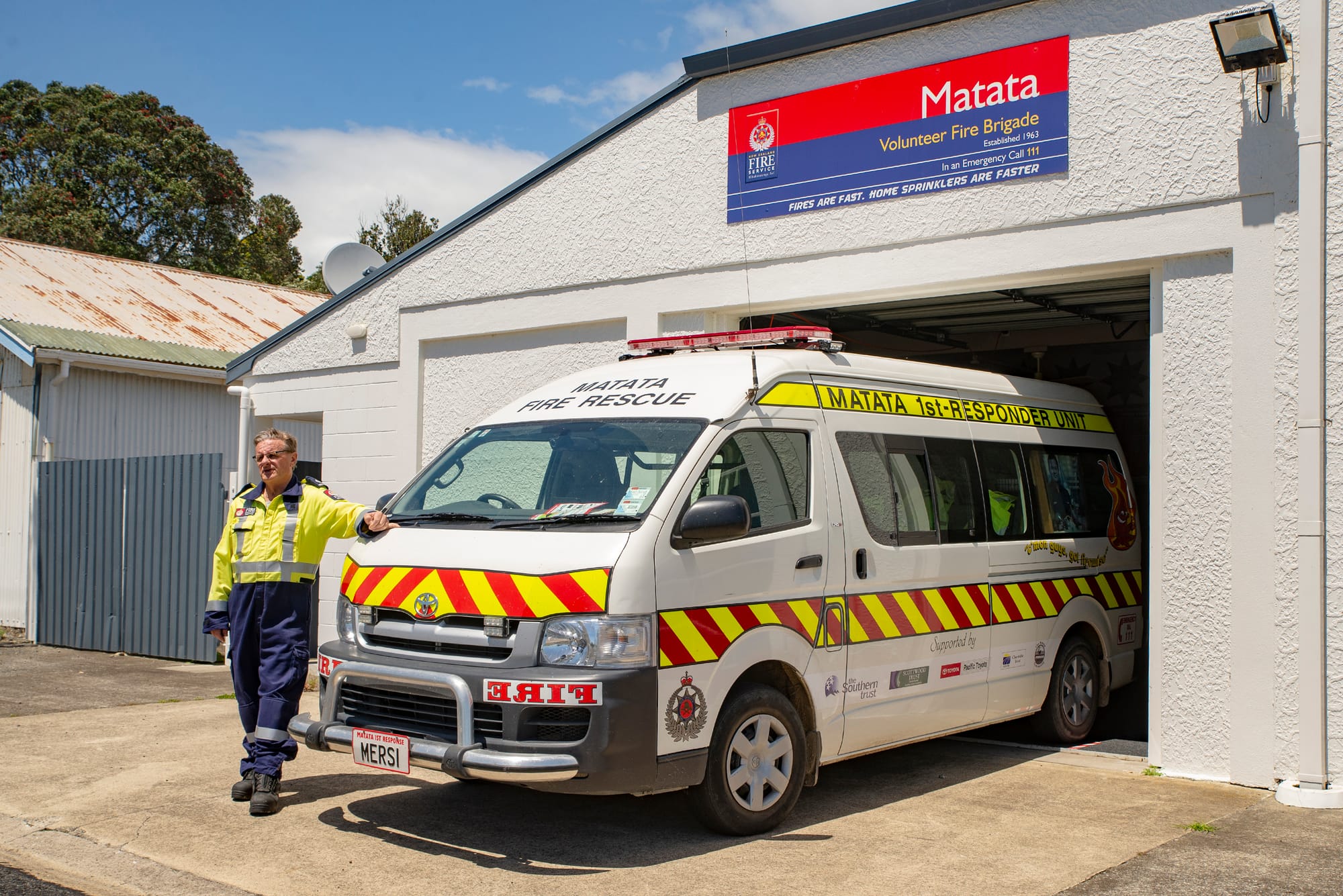
CHALLENGE: Matatā Fire Brigade chief Gavin Dennis says they have plenty of members, but most work out of town. File photo
Troy Baker
Matatā Volunteer Fire Brigade may have faced volunteer shortages in the past, but its books are looking healthier following a recent recruitment drive.
Despite the increase in numbers, response times remain an issue because many of those volunteers work out of the town during the day.
Late last month, the brigade had to sound the siren a second time because not enough volunteers turned up on the first alert to be able to dispatch a crew.
Chief fire officer Gavin Dennis said the station was nearing capacity but still faced this challenge, which was common to many small towns.
“One of our biggest issues is that people don’t work in the town, so when they leave Mātatā they find themselves unable to answer call-outs.”
Of the 16 operation and support personnel, only three are based in Matatā.
“We currently have 14 operational firefighters fully trained and ready to go, with two support personnel helping with medical response and road control, plus two recruits who have just signed up and are going through the system.
“Three prospective members have attended practice nights, but are yet to commit, which could take our numbers to 21. That places the brigade at its limit, but we still only have three based in town,” he said.
The brigade’s preferred cap is around 20 members. Though it can exceed that slightly, the priority is recruiting locals who both live and work nearby.
Cost is also a factor, with a full set of firefighting gear costing up to $2000 per person and requiring regular upgrades.
“It’s important for the trucks to be on the road within five minutes of the siren sounding.
“By the time someone wakes up or puts dinner aside, two minutes are already gone, leaving just three minutes to suit up and respond.
“Sometimes we meet that response time and sometimes we don’t, but if someone has to drive five minutes in from out of town, the truck is already gone by the time they arrive,” Mr Dennis said.
He attributes part of the issue to increasingly busy modern lifestyles and a decline in volunteerism.
“I’m aware of a village on the border of Italy and Austria with only 120 residents, yet their local brigade has 35 volunteers.
“It highlights how some countries still maintain strong volunteer numbers, while others struggle as lifestyles change,” he said.
Tāneatua Volunteer Fire Brigade chief fire officer Lawrence Richardson said volunteer numbers were adequate there, too, but similar daytime challenges existed.
“We don’t have many issues with night callouts, but daytime is a problem.
“There’s little industry in Tāneatua, so our members work out of town.
“We attend between 80 and 100 callouts a year, and around 90 percent are supported by the Whakatāne brigade because we only have one truck and no rescue capability,” Mr Richardson said.
Training for Matatā recruits includes weekly sessions covering hoses, breathing apparatus, and equipment handling. Because the brigade also operates as a medical first-response unit, one training night each month is dedicated to medical training with a St John paramedic.
Around 60 percent of callouts are medical-related, making this training essential.
Trials are available for those interested in joining.
“Once accepted, training takes approximately six months and concludes with a final course in Rotorua before recruits return as full operational members.
The brigade spans a wide age range, with roughly half of its members female. While firefighting is a serious responsibility, there is also a strong social element that helps build friendships and team cohesion.
“We overheard two of our younger members saying the other day that it’s like having a second family.
“We aim to make the experience welcoming and enjoyable for everyone who walks through the door.
“Socialising together is an important part of developing a strong team,” Mr Dennis said.
Matatā is also one of the few brigades that accepts cadets from the age of 15. The programme provides valuable life skills in structure, procedure, and teamwork.
Spaces are limited, and though many cadets eventually move into other careers, a significant number go on to roles within the emergency services.
If you interested in helping the Matatā Fire Brigade, check out the New Zealand fire and emergency website: https://www.fireandemergency.nz/