
Resilience means investing in risk mitigation
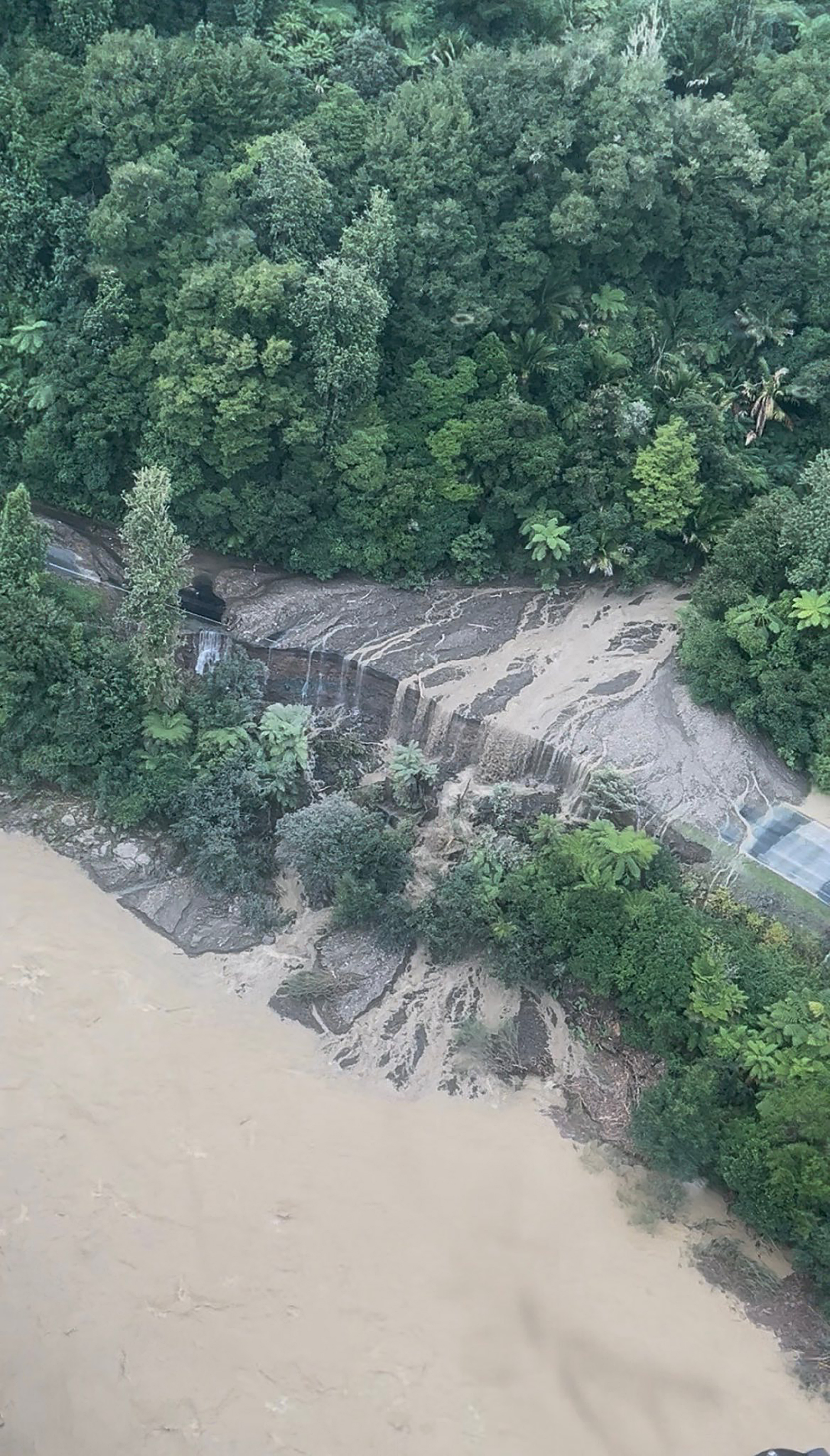
HARD HIT: One of several recent slips in Waioweka Gorge following heavy rains. Photo file
.
■ Urgent, united investment in climate resilience is needed after devastating weather across our region, writes Jo Luxton, Labour MP

To the west, the tragic events in Mauao and Pāpāmoa weigh heavily on us, and to the east, the flooding in Wharekahika, Waikura, and Potaka has forced many families to evacuate their homes. It’s been a difficult couple of weeks, and our surrounding communities have borne the brunt of extreme weather that has taken lives and livelihoods.
These events are a strikingly sad reminder of how vulnerable we are to increasingly frequent extreme weather.
While we cannot control when the rain comes or how harsh the storms will be, we can control how we respond – from the first-response ground up mahi of our incredible volunteers and tangata tiaki, to local government and central government organisations.
But, in the most urgent aftermath of events like these, it is the volunteers, local organisations, and whānau who lean in and make the real difference to our people.
Te Aroha Kanarahi Trust, for instance, has been a beacon of support to our East Coast community, working tirelessly to provide aid to Potaka and Wharekahika. Their efforts, alongside those of local Civil Defence welfare teams have facilitated the delivery of key packages to and from Tauranga, Ōpōtiki and Gisborne.
Their actions show the power of community and prove that when it really hits the fan, we are continuing to show up for each other.
But as the resilience, aroha, and selflessness of our eastern communities continue to shine in the face of disaster, we cannot accept this as our long-term future.
The Bay of Plenty and Te Tairāwhiti have had more than their fair share, and as we say, “here we go again” to another recovery, we cannot let this fade into only a memory.
We must keep asking ourselves how we can ensure our communities are resilient moving forward.
It’s also crucial that we recognise and value everyone who is part of these conversations, because building resilience requires unity. It requires every layer of support, from community-driven action, local government involvement, and a central government that understands the urgent need for investment in infrastructure that can withstand nature’s worst.
Decades of extreme weather tell us that our core infrastructure – our roads, our bridges, and the connections between our communities – is fragile in the face of extreme weather.
The Waioweka Gorge on State Highway 2, for example, is classified as an “extreme risk” area, and this most recent slip could result in the longest closure we’ve seen yet.
If confirmed, it would surpass the 2012 Sandy Slip, which shut the Waioweka Gorge for 27 days. Our vulnerable transport network is a thorn in the side for the East Coast and the Bay of Plenty, particularly for business in the horticulture and tourism sector.
In 2023, Labour’s $6 billion resilience fund was created with the intention of bolstering the country’s infrastructure against the worsening impacts of climate change.
If the fund had remained intact, it could have continued to support essential projects like the rebuilding of roads, bridges, and key infrastructure, including energy and telecommunications.
But this fund was returned to the coffers by National to make way for tax cuts for the wealthiest people. That choice shows the raw failure of their leadership, and one that no personal delivery of KFC to our affected communities can make up for.
I’m calling on my colleagues across the political spectrum to join me in advocating for bold investment in risk mitigation.
Because despite the resilience and aroha and giving that our eastern communities continue to show in the face of disaster, we cannot accept this to be our future.
We need a fundamental shift in how we plan for, respond to, and mitigate the impacts of climate change.
This is about more than immediate recovery. It’s about preparing for what’s to come and building a more resilient, sustainable future for us all.