
Opinion: ‘If serving is beneath you, then leadership is beyond you’

.
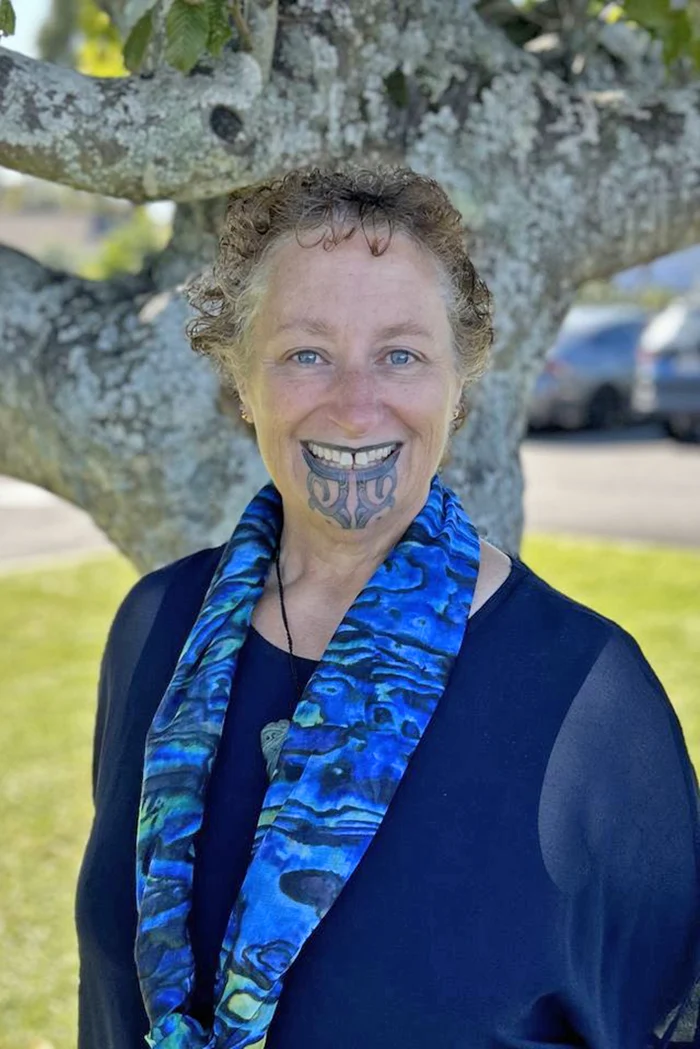
■ The truth of this saying is written into the whakapapa of Aotearoa New Zealand, where communities have always depended on people willing to show up, pitch in, and carry responsibility without fanfare, writes Bay of Plenty Regional Council’s Kohi Māori Ward councillor Dr Mawera Karetai.
Service is not an optional extra to leadership; it is the qualification for it. But our service organisations are struggling, and that is going to impact on the future of our small communities.
In our communities, authentic leadership has never been only about standing at the front; it has always been about doing what needs to be done to support the people, the kaupapa, and the mahi.
In a healthy community, the ones who step forward to receive the accolades, should be the same ones who will stack chairs, drive the van, and stay late to clean up.
This is as true in council chambers as it is in the marae kitchen or at the local sports club.
Genuine leaders understand that respect is earned through service that uplifts others, not through titles on business cards.
When serving people feels “beneath” someone, what they really reveal is that the hard, unglamorous work of leadership is beyond them.
Across Aotearoa, many of the organisations that once trained generations of community leaders are under real pressure.
Clubs New Zealand’s own census reports highlight declining membership, ageing members, and difficulty attracting people into governance roles, with clubs struggling to fill committees and retain financial stability.
A 2024 survey of amateur sports clubs found that although average membership has recovered since Covid, the average number of regular volunteers has nearly halved in five years, from 31 to 18 people giving three hours a month.
Fewer people doing the mahi means more burnout for those who remain.
The reasons are complex. Changing work patterns, rising costs, and the regulatory demands of the Incorporated Societies Act 2022 all make formal membership and committee roles harder to sustain, with some commentators noting that people will pay to participate but resist becoming “members” with obligations.
Behind these trends is a deeper shift: younger New Zealanders are less attracted to weekly meetings in aging clubrooms, hierarchies built around long service, or models of leadership that ask them to slot into someone else’s tradition rather than shape their own.
Many rangatahi still want to serve; they simply do not see themselves in the institutions that once carried community leadership.
Research and practice across youth development show that young people gravitate to opportunities that are time-bound, project-based, and clearly connected to issues they care about – like climate action, mental health, equity, and Te Tiriti justice.
When their only invitation into “leadership” is to sit quietly at the back of a monthly meeting, wait their turn for 10 years, and inherit a constitution, the message is clear: service is welcome, voice is not.
At the same time, the decline in volunteers creates a vicious circle.
As volunteer numbers fall, clubs struggle to offer vibrant programmes, which makes them less attractive to new members, especially youth.
When that happens, communities lose more than a social outlet; they lose the training grounds where people learn to chair meetings, run budgets, negotiate differences, and hold responsibility for something bigger than themselves.
The risk is that leadership becomes a spectator sport, something done by “them” in Wellington, not “us” here at home.
Crucially, service should not a box-ticking exercise; it is one of the core pillars of building healthy communities.
Participants who volunteer in their own communities, through clubs, charities, marae, churches, environmental groups, or schools, and many providers, deliberately connect their time to real community needs.
When young people learn to show up regularly, work in teams, solve problems, they see the impact of their contribution in the faces of others. That experience sinks deep.
The evidence, both here and internationally, is that youth who engage in meaningful service are more likely as adults to keep serving, whether on boards, as coaches, in community initiatives, or in public office.
If Aotearoa wants strong, future focused leadership, the path is clear: make service visible, valued, and accessible to rangatahi, and treat them as partners, not passengers. That means:
n Supporting programmes like the Duke of Edinburgh’s Hillary Award, Interact, and the William Pike Award in schools, kura, and community settings, including funding so that cost is not a barrier.
n Reimagining clubs and service organisations as places where young people can help shape the agenda and lead projects, not just “help out” on the margins.
n Honouring concepts of collective responsibility in governance, sport, arts, and environmental groups alike.
Young people who are invited into real service learn that leadership is not about being important; it is about being useful.
They grow up expecting to roll up their sleeves, take their turn on the committee, stand for school boards and councils, and lead the communities they want to live in.
If serving is beneath us, then leadership will indeed be beyond us.
But when service is understood as the heart of leadership, Aotearoa will have no shortage of people ready to step to the front, and to carry the load behind.
As our rangatahi get ready to start school again this year, let’s make 2026 the year where they think service is worthwhile