
Spike in riverbank rat sightings prompt concern
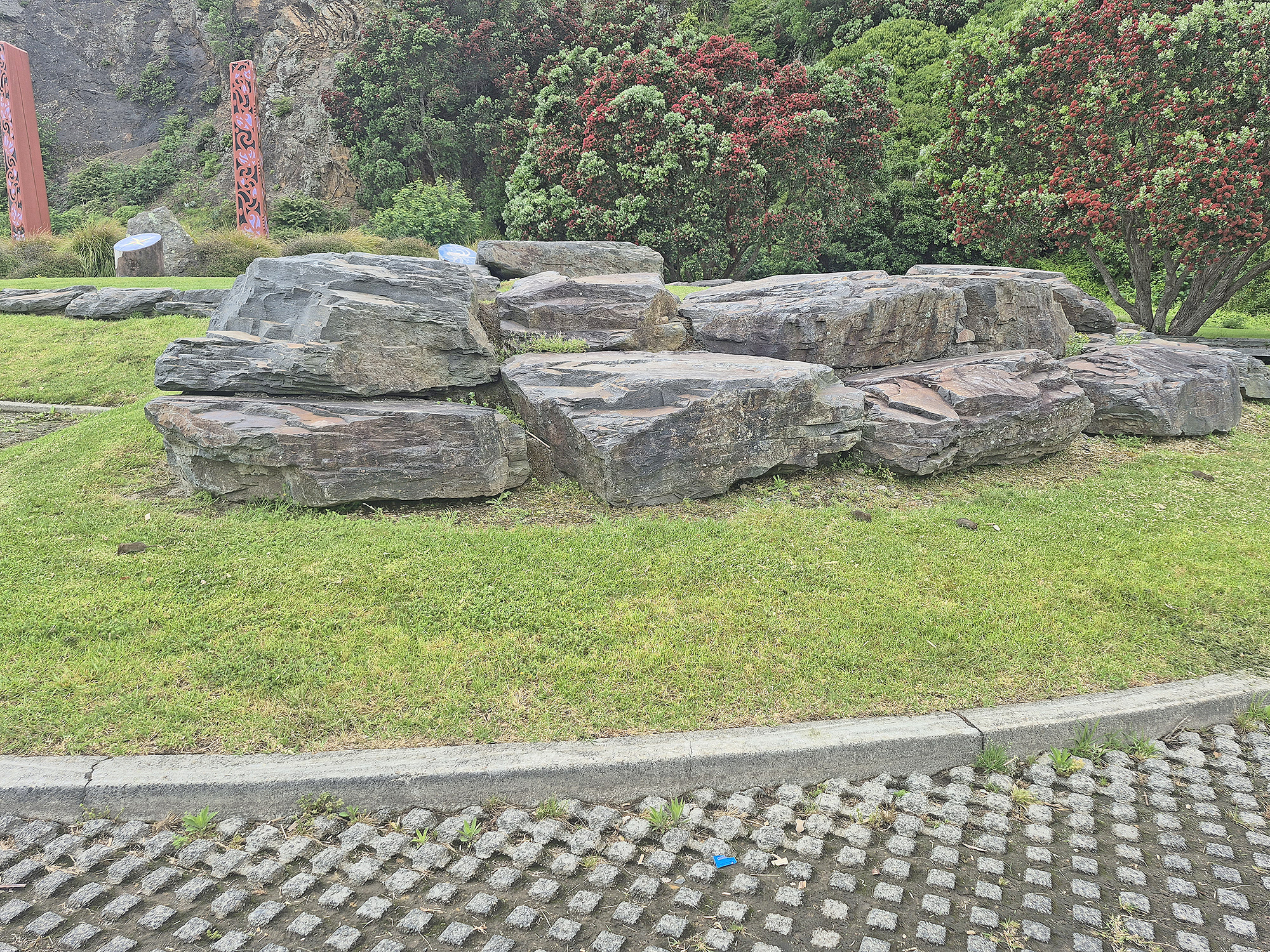
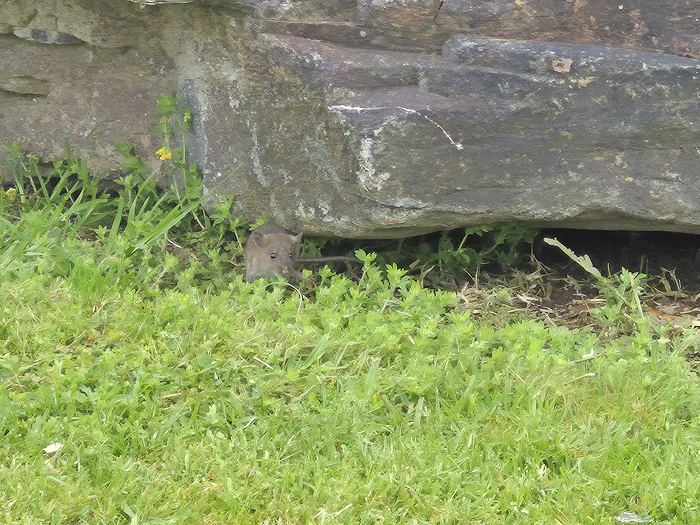
RIVER RODENTS: Four rats are seen making themselves at home at the Heads last Friday. Photos Tamara Herdman E5752-02/01
Tamara Herdman
A recent social media post has drawn attention to increased rat activity along the Whakatāne riverbank, with sightings near the Whakatāne Rowing Club and at The Heads prompting concern from neighbouring residents.
Whakatāne Harbour Care Group volunteer co-coordinator Gaye Payze confirms the group has received reports of heightened rat or mouse activity, particularly following last week’s heavy rain.
She said rats were normally nocturnal, so to see them during the day was unusual.
The clear spike in numbers was likely due to an abundance of food sources and the presence of new offspring.
She said rat numbers commonly rose in Spring, and with rats able to breed rapidly and producing large litters, populations could increase quickly.
Recent high river levels may also have contributed to the spike in sightings.
Floods can wash in new debris that contained food for rats, and the rock embankment along the river provides many small hiding places.
Ms Payze said these spaces had likely flooded, pushing rats into more visible locations and making them not noticeable.
The Harbour Care Group services bait stations along the Warren Cole Walkway, although some bait stations between the Yacht Club and the Heads have been temporarily removed due to construction work.
She said this had temporarily reduced rodent control in that area.
The group is reviewing its pest-control set-up and may increase coverage if funding allows.
Ms Payze said they were considering replacing some existing bait stations and possibly adding new ones in more strategic locations that are still accessible for volunteers.
Other community groups are active in nearby areas: the Apanui Saltmarsh Care Group conducts monthly clean-ups around the McAlister Street carpark, playground, and Skatepark, often removing a full trailer of rubbish, and HALO Whakatāne is working with 3 Waters to supply rat-trap boxes around Wainui Te Whare Stream and the Peace Street stormwater channel that was recently upgraded.
Ms Payze encourages residents and businesses to help reduce rat habitats and food availability by avoiding littering, keeping rubbish bins closed and emptied regularly, and maintaining tidy sections, free of piled materials or vegetation where rats can shelter. Trimming vegetation from ground level can also help remove hiding places.
She also suggested that locals consider installing their own rat traps or bait stations.
Anyone wanting to support the Whakatāne Harbour Care Group’s environmental and pest-control efforts can join their weekly Wednesday working bee from 8am to 10am, meeting at the Eivers Road car park end.