
Saving our dynamic dunes
Contributed
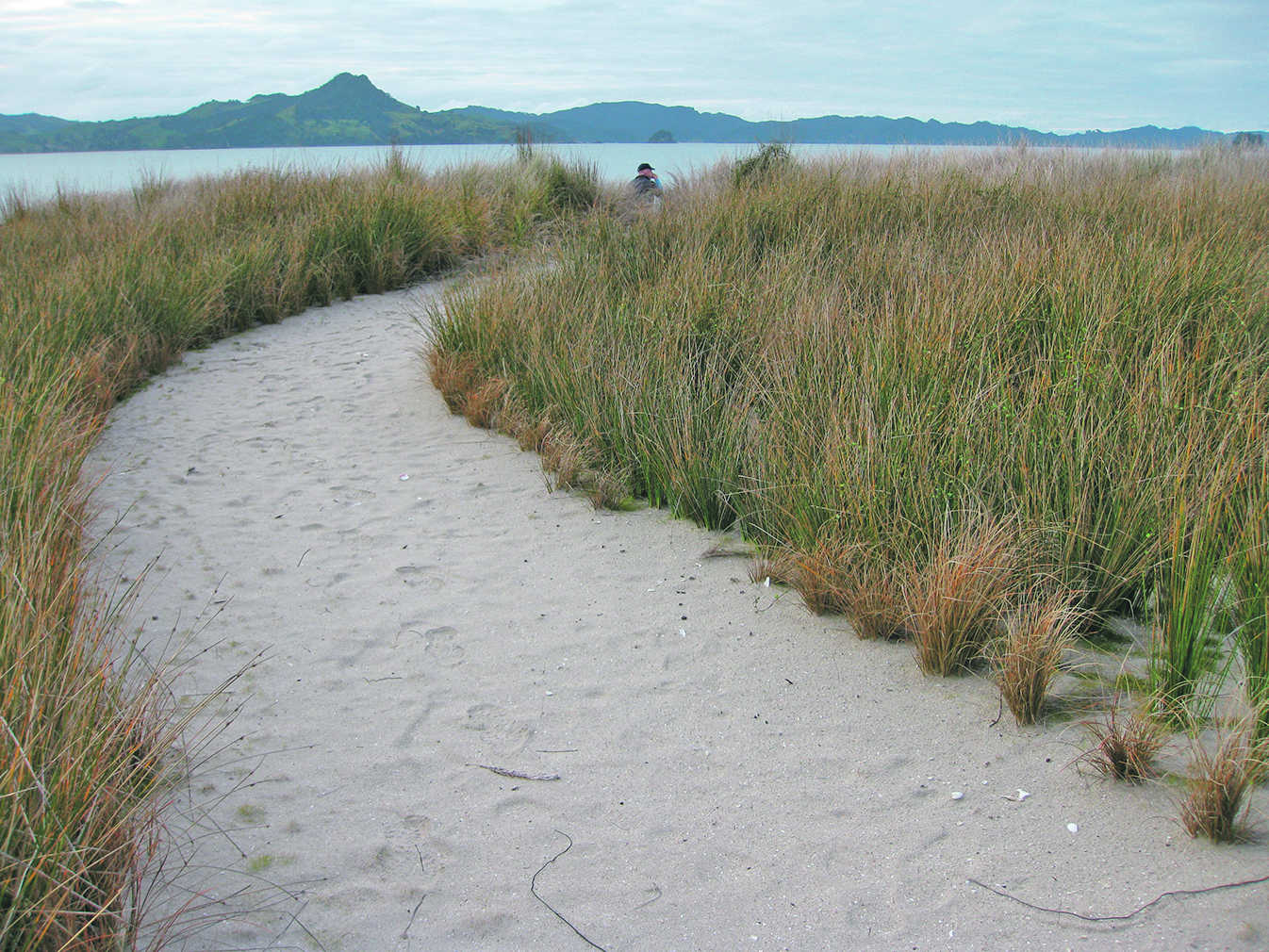
At this time of year sand dunes are being planted all over Aotearoa, including here in the Bay of Plenty.
Coastal habitats are fragile, highly mobile and diverse, providing habitats for a range of rare and endangered endemic birds, invertebrates and lizards, but also a wide range of specialised sand dune plants, some rare and endangered.
Understanding how the sand dunes naturally function can help to understand what is best to plant in foredune, and back dunes areas.
In particular, natural dune repair after storms is critically dependent on the presence of appropriate sand trapping vegetation on the seaward face of the dune.
In New Zealand, the key native sand-binding species on the seaward dune face are kowhangatara, Spinifex sericeus or tumbleweed and pingao, Ficinia spiralis or golden sand sedge.
These foredune species grow towards the sea and as the sand blows up the beach these plants trap the sand by the hairs on their leaves, dropping the sand at their base, which builds up over time, forming a sand dune.
When a storm surge is active the wave action transports the sand offshore, where it is deposited as a bar, which helps dissipate the increased wave energy.
The sand then returns gradually when the weather is calmer and onshore winds drive the sand back onto the beach to dry and be whipped up into the sand dune plants to be dropped once more.
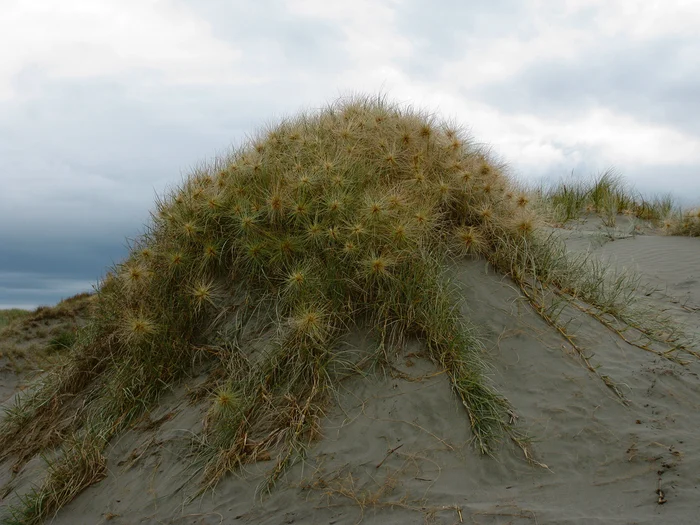
Sand is constantly moving between the sea, the beach and the dunes. This process is hardly noticeable most of the time, but can be dramatic during storms.
These dynamic dune areas were once used for driving stock from one part of the country to another when roads were scarce in the early 1900s.
Today, dune ecosystems remain under pressure from development, weeds and animal pests, such as rabbits, rodents and sparrows, which eat the seeds.
The most destructive is from usage, such as vehicles and people destroying sand-binding plants.
As a result, coastal areas are now listed as some of the most highly modified and degraded ecosystems.
If your home is on the beach near the coast, there are several ways you can help restore and protect your dune system in front.
First, don’t throw garden waste into the dunes area; this will spread seeds and possibly regrow undesirable plants, which smoother the native plants.
Second, give the dune area space, the wider the dune system is the more able, it is to repair itself naturally after a storm event.
Complementing the natural landscape and bringing it into your garden is a good way to make your yard look larger and adding value to the existing dune.
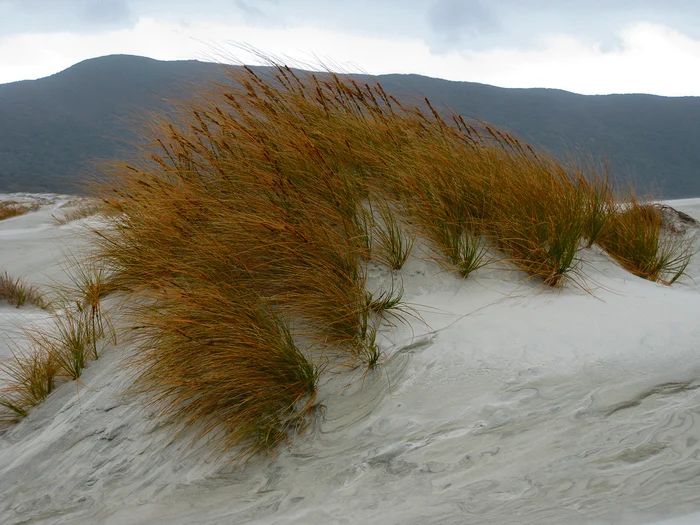
Some plants worth considering for your back dune area are:
- Carex testacea – speckled sedge
An attractive, bright orange clump forming grass, grows in full sun; needs sandy, free-draining conditions and tolerates drought and salt-laden winds.
Found naturally here in the Bay of Plenty on our beach back-dune areas.
Grows to a height of 40cm and about the same in diameter; great for beach gardens as a border as it looks great to contrast against lawns.
- Muehlenbeckia complexa or pohuehue
A sprawling horizontal plant with slender wiry stems and small, dark green leaves which form patches up to 1 metre across.
In spring through to autumn, they have very tiny creamy flowers, which are sweetly scented in late afternoon sun, and are followed by tiny jewel-like berries, which are enjoyed by native birds, insects and lizards.
Pohuehue grows well in stony places, very hardy in hot, dry places where nothing else will grow and tolerates poor soil types.
If you are interested in joining a local Coast Care volunteer team, Bay of Plenty Coast Care is celebrating 30 years of mahi on our dunes.
For further information, email [email protected].
Or see Coast Care Bay of Plenty Facebook page.
Upcoming events
- Sunday, June 16
9.30am-11am – Coast Care Dune Planting – Maraetōtara Reserve, Ōhope. Meet at the volleyball courts, Maraetōtara Reserve, Ōhope. This event to be followed by Coast Care Eastern 30-year Celebration event at Ōhope Chartered Club at 11.30am.
- Tuesday, July 2
9.30am–12pm – Matariki Dune Planting and Weaving Event – held in collaboration with Coast Care and Whakatāne libraries. Meet at the Whakatāne Surf Lifesaving Club, Ōhope Beach.
- Sunday, August 11
9.30am–11.am. Coast Care Dune Planting, Moana Street, Ōhope. Meet at beach access opposite Moana Street, Ōhope.
- Sunday, September 8
9.30am–11am. Coast Care Dune Planting – Port Ōhope. Meet in front of 462 Harbour Road, Ōhope.
- Sunday, September 8
1pm–2.30pm. Coast Care Dune Planting – opposite Beach Road, Tirohanga. Meet at Hikuwai Beach carpark, Tirohanga.
-Jo Bonner
Coastlands Plant Nursery